Aperture
Play Aperture
Aperture Screenshots
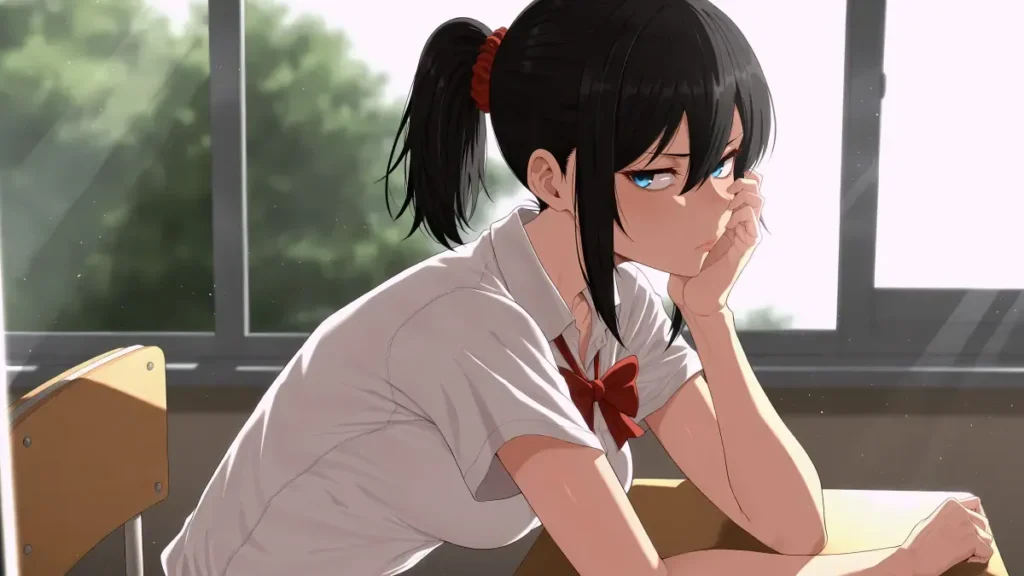
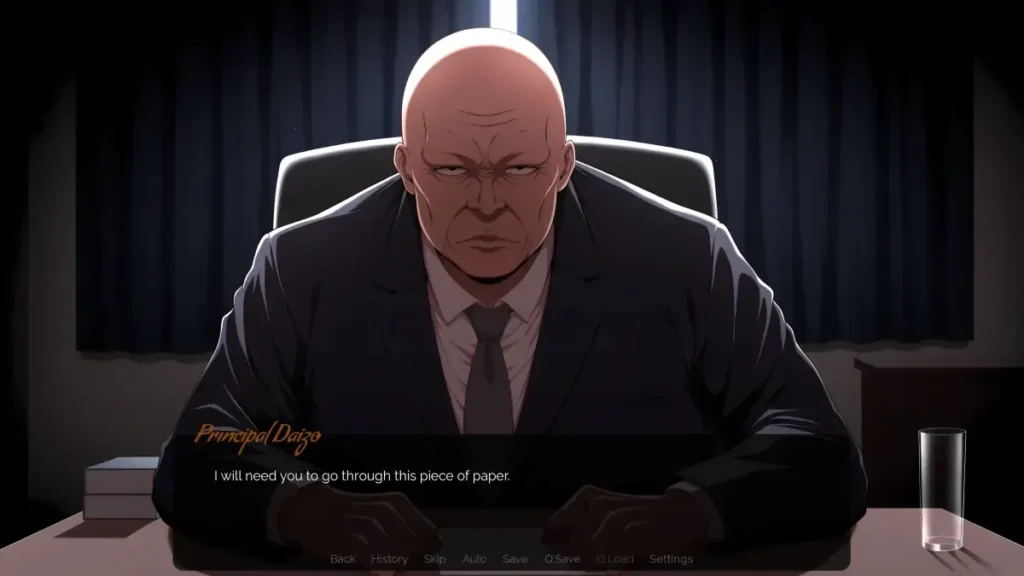
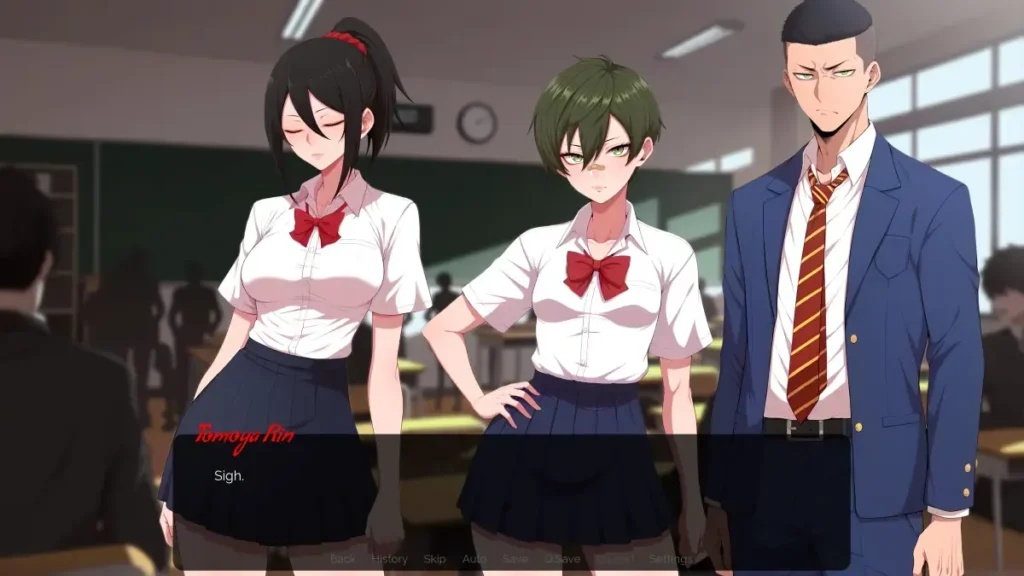


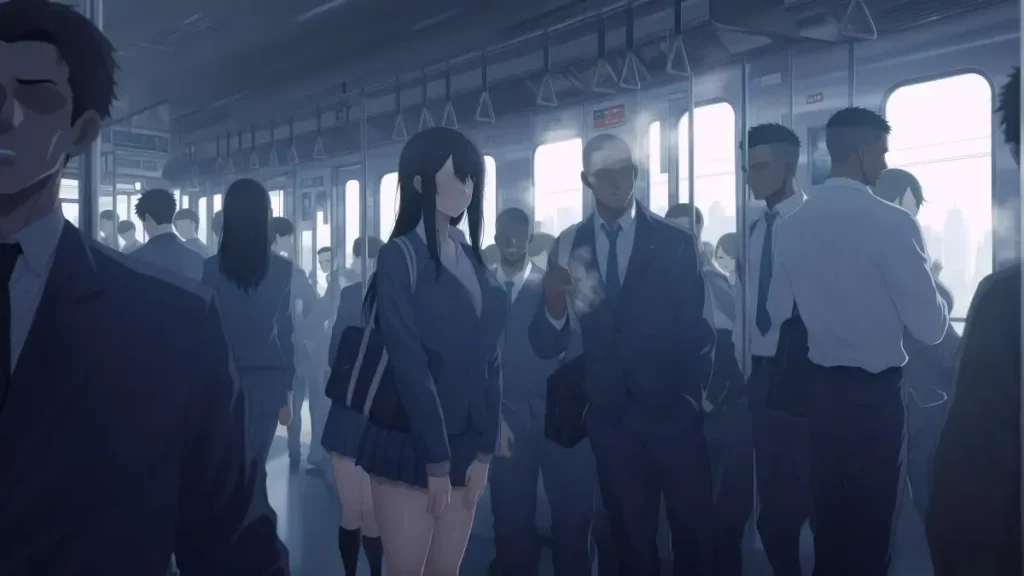
Aperture review
In-depth walkthrough, mechanics, and player insights for Aperture
Aperture is a niche adult-oriented interactive game that blends puzzle elements, character-driven scenes, and player choices into a single experience. This article dives straight into Aperture, covering its core systems, narrative structure, installation and compatibility, monetization model, and community resources to help readers decide whether it fits their preferences and technical setup. I’ll share personal impressions from playing the game, practical tips for getting the best experience, and cautionary notes about safety and content warnings.
Gameplay and Mechanics: How Aperture Plays
Stepping into the world of Aperture for the first time, I was immediately struck by its quiet confidence. It doesn’t overwhelm you with tutorials or flashy combat; instead, it invites you to simply observe, interact, and think. The core Aperture gameplay loop is a masterclass in environmental storytelling and thoughtful puzzle-solving, wrapped in an interface that feels intuitive from the moment you start. If you’re wondering how to play Aperture, the answer lies in its deliberate pace and your own curiosity. This chapter will break down everything from the fundamental Aperture controls to the intricate Aperture mechanics that make this journey so unforgettable. 🎮
Core mechanics and controls
At its heart, Aperture is a first-person exploration and puzzle game. The camera perspective is locked firmly behind your eyes, making every discovery feel personal and immediate. You don’t play as a named hero; you are an observer, a solver, and a witness. The primary Aperture mechanics revolve around a simple interaction model: look, select, and manipulate.
You’ll spend your time examining detailed environments, picking up objects, reading notes, and activating devices to unravel the story and progress. Scenes are often triggered by entering specific areas or solving a key puzzle, which can seamlessly shift the environment or reveal new pathways. There’s no HUD clutter—everything you need to know is communicated through the world itself, from the faint hum of a powered mechanism to the visual change in a locked door.
The Aperture controls are beautifully straightforward, designed to get out of the way and let you immerse yourself. Whether you’re a keyboard purist or a controller enthusiast, the game supports both seamlessly. Here’s a quick reference to get you started:
| Action | PC (Default) | Controller (Xbox) | Suggested Rebind/Tip |
|---|---|---|---|
| Move | W, A, S, D | Left Stick | Standard for most players. |
| Look Around | Mouse Move | Right Stick | Adjust sensitivity in settings for comfort. |
| Interact / Grab | Left Mouse Button | X Button | Your most used button! Hold to carry objects. |
| Examine / Zoom | Right Mouse Button | Left Trigger | Essential for reading small text and inspecting details. |
| Cycle Inventory | Mouse Wheel / Q, E | D-Pad Left/Right | Rebind to side mouse buttons if available. |
| Use Inventory Item | F | Y Button | Keep it easily accessible for puzzle sequences. |
| Toggle Flashlight | T | B Button | A lifesaver in darker sections. |
| Pause / Menu | ESC | Start Button | – |
I remember my first hour with the game, fumbling a bit with the inventory before I realized I could rebind the keys. Don’t be afraid to tweak these Aperture controls to fit your muscle memory—it makes the flow of solving Aperture puzzles much smoother. 🕹️
Progression, puzzles, and branching choices
Aperture doesn’t hold your hand with a linear series of levels. Instead, it structures play through a series of interconnected chapters, each set in a distinct, meticulously crafted location that acts as a large, open puzzle box. You’ll often need to revisit areas with new understanding or items, giving the world a satisfying sense of cohesion.
The Aperture puzzles are the true stars here. They are logical, environmental, and deeply tied to the narrative. You won’t find arbitrary slider puzzles here. Instead, expect to:
* Decode sequences from environmental clues like paintings or journal entries.
* Manipulate physical systems involving levers, rotating mechanisms, and power conduits.
* Use found objects in unexpected ways, often combining them or using them to perceive the environment differently (think using a lens to reveal hidden text).
What truly elevates the Aperture gameplay is the subtle layer of branching choices. Early on, I faced a seemingly minor decision: restore power to a living quarters block or a botanical garden. I chose the garden, expecting just a different window view. To my surprise, it unlocked an entirely optional side narrative about the station’s lead botanist, complete with new documents and a unique item that helped me solve a later puzzle in a different way. These choices don’t scream at you with morality meters; they quietly shape your unique path, influencing which documents you find, which doors are already open, and ultimately, which of the several endings you will witness. It makes every playthrough feel distinctly yours. 🌱➡️🔓
Graphics, audio, and performance tips
The visual and audio presentation of Aperture is where its atmosphere truly coalesces. The art style is a blend of highly realistic textures and slightly stylized, clean geometry, creating a world that feels both tangible and dreamlike. Animation quality, particularly for the objects you manipulate, is weighty and precise, which is crucial for the puzzle-solving. Voice work is sparingly used but incredibly effective, often heard through recorders or intercoms, and it’s uniformly excellent.
To fully enjoy this, you’ll want the game running smoothly. Here are my Aperture performance tips and recommended settings based on common hardware. The game is well-optimized, but a few tweaks can make a big difference.
Pro Tip: Always update your GPU drivers before playing a new game. It’s the single easiest fix for many common issues!
Recommended Graphics Presets:
- Low-End (e.g., GTX 1060 / RX 580, mid-range CPU): Target 1080p/60fps. Use the “Medium” preset. Turn down/off Shadows and Screen Space Reflections. These are big performance hitters for minimal visual gain in daily play.
- Mid-Range (e.g., RTX 3060 / RX 6600 XT, modern 6-core CPU): Target 1440p/60fps or 1080p/High Refresh Rate. The “High” preset works great. You can likely enable High-Quality Shadows and keep Texture Quality at maximum.
- High-End (e.g., RTX 4070 / RX 7800 XT and above): Target 4K or ultrawide resolutions. The “Ultra” preset is your friend. Consider enabling Ambient Occlusion to its highest setting for extra depth in the game’s many corridors and rooms.
My most memorable visual moment was in a derelict observatory. I had just tweaked my settings to max out the texture filtering, and as I solved a puzzle to realign a giant telescope, the night sky rendered with such stunning clarity that I just stopped and stared. It was a reward in itself. ✨
A Practical Troubleshooting Checklist for Performance:
* Stuttering or Frame Drops: Lock your frame rate to 60 FPS in the game settings or via your GPU control panel. Disable any in-game overlays (Steam, Discord, etc.) as a test.
* Game Crashes on Launch: Verify the integrity of game files through your platform (Steam/Epic). Ensure all essential system software (Visual C++ redistributables) is installed.
* Corrupted Save File: The game keeps three rolling auto-saves. Navigate to the save folder (usually in Documents/My Games/Aperture) and try renaming the most recent backup save (often save2.bak to save2.sav).
* Audio Cutting Out: Check your Windows audio settings to ensure the sample rate and bit depth are set to a standard like 48kHz/16-bit. Exclusive audio mode in the game’s settings can sometimes help or hinder—try toggling it.
Getting Started: Personal Insights and Final Tips
Looking back on my first session, what surprised me most was how the game trusted me. It presented a locked door with a strange, four-symbol panel and then just… walked away. No quest marker, no hint log. I had to scour the room, eventually finding the symbols etched faintly on the edges of four different books on a shelf. The moment the door clicked open was pure, unadulterated player agency. It taught me the most important rule for how to play Aperture: look at everything.
Here are my top actionable tips for new players:
1. Embrace the Pace: This isn’t a race. Rushing will cause you to miss vital clues. The environment is the tutorial. 🐢
2. Examine Everything Closely: Use the zoom (RMB/LT) on every document, painting, and unusual object. Many Aperture puzzles are solved by noticing tiny details.
3. Think Laterally: If an object seems out of place, it probably is. Can it be combined with something else? Does it cast a unique shadow or reflect something important?
4. Document Your Journey: Use the in-game photo mode (often bound to F2) or keep a small notepad handy for codes, symbol sequences, and family trees you uncover.
5. Save Often and in New Slots: Before making a big choice or attempting a complex puzzle chain, create a manual save. It lets you explore consequences without regret.
Finally, a note on community content. Aperture has a small but dedicated modding scene, primarily focused on graphical enhancements and custom puzzle challenges. While these can extend your enjoyment, always back up your save files before installing any mods, as they can sometimes affect game stability or scripted sequences. The core Aperture gameplay experience is so complete that I recommend your first playthrough be entirely vanilla.
Mastering the Aperture mechanics is less about quick reflexes and more about cultivating a patient, observant mindset. It’s a game that plays you as much as you play it, and that’s its greatest strength. Now that you know the lay of the land, you’re ready to step through the aperture and see what’s on the other side. Good luck
Aperture offers a focused interactive experience that blends puzzles, branching encounters, and player-driven outcomes. This guide walked through how the game plays, its narrative structure and characters, installation and safety practices, the surrounding community and mod scene, and advanced tips to get the most from your sessions. If you’re curious to try Aperture, follow the installation and safety checklist in this article, experiment with branching choices using manual saves, and visit community hubs for mods or assistance. If you’d like, I can expand any chapter into a full draft, create the control mapping table, or draft the bug-report template for you.