Camp Klondike
Play Camp Klondike
Camp Klondike Screenshots

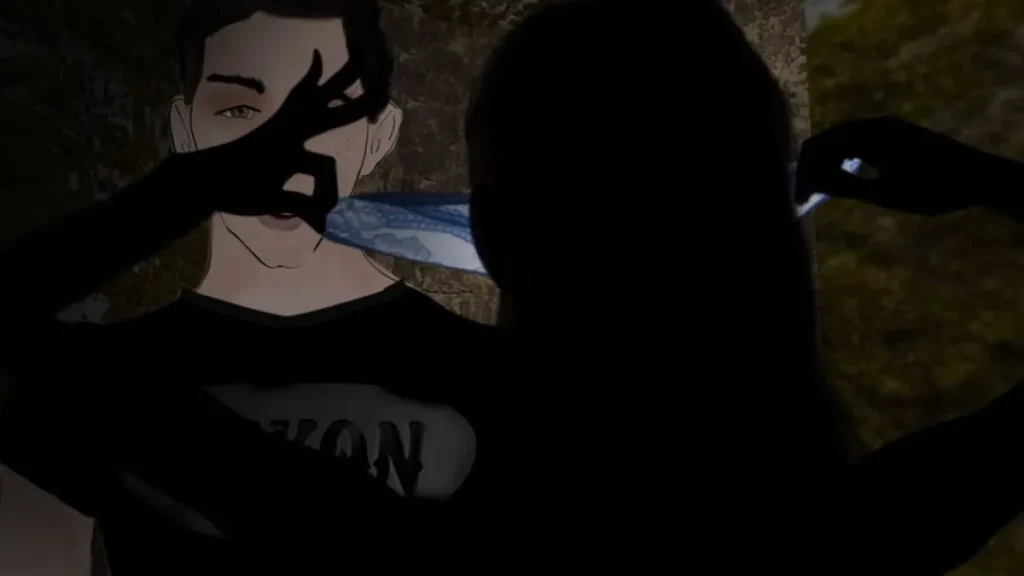
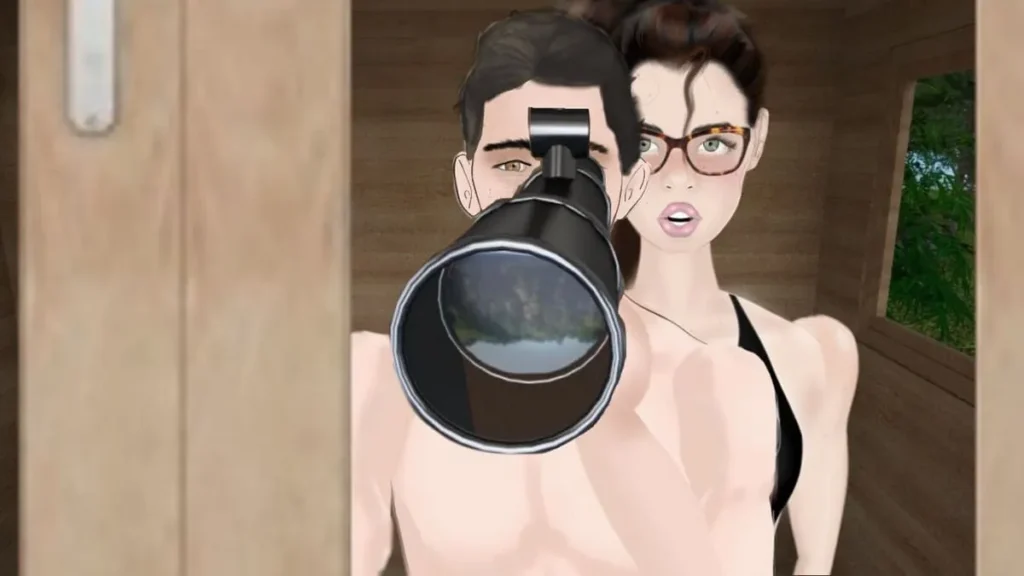

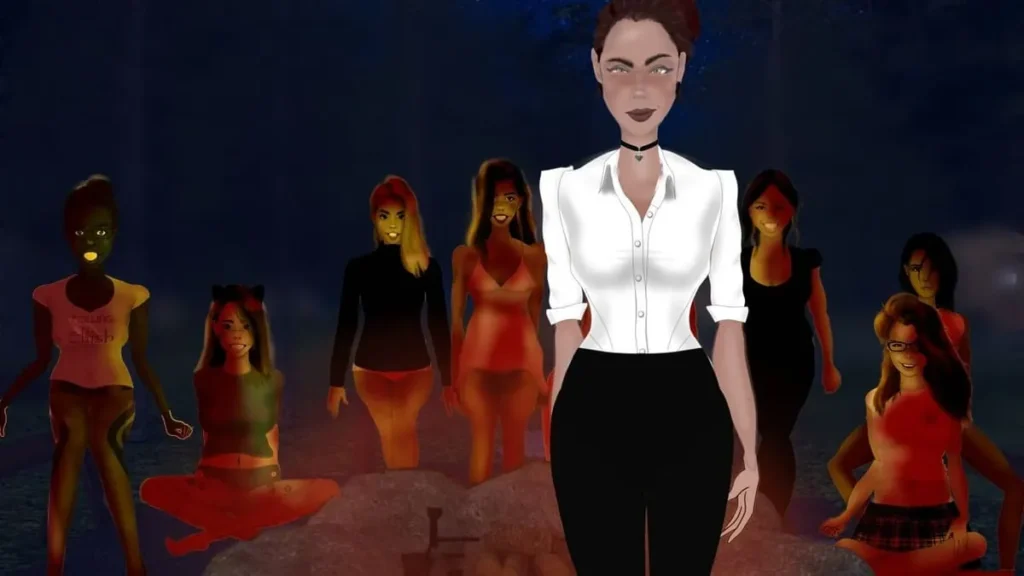
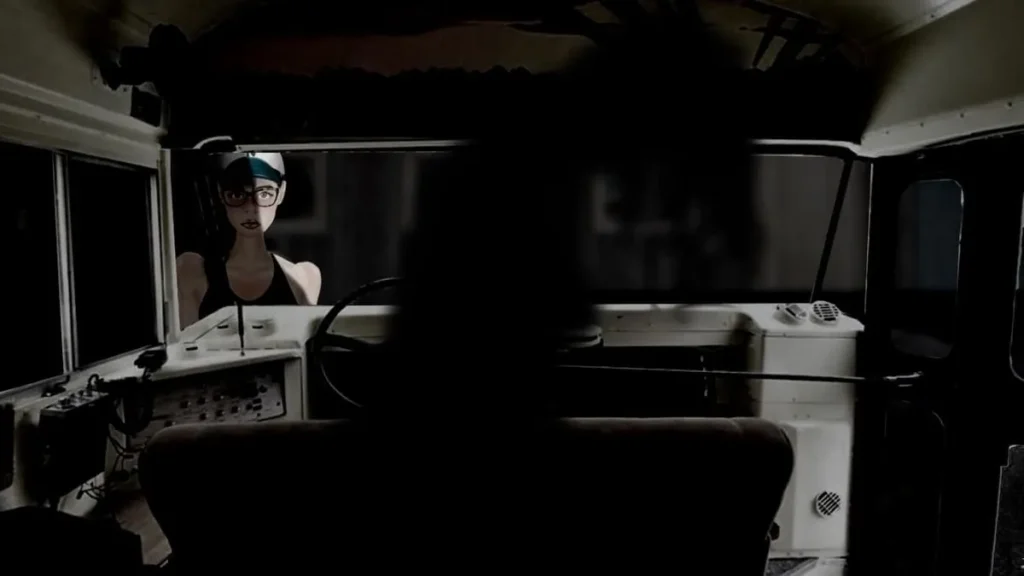



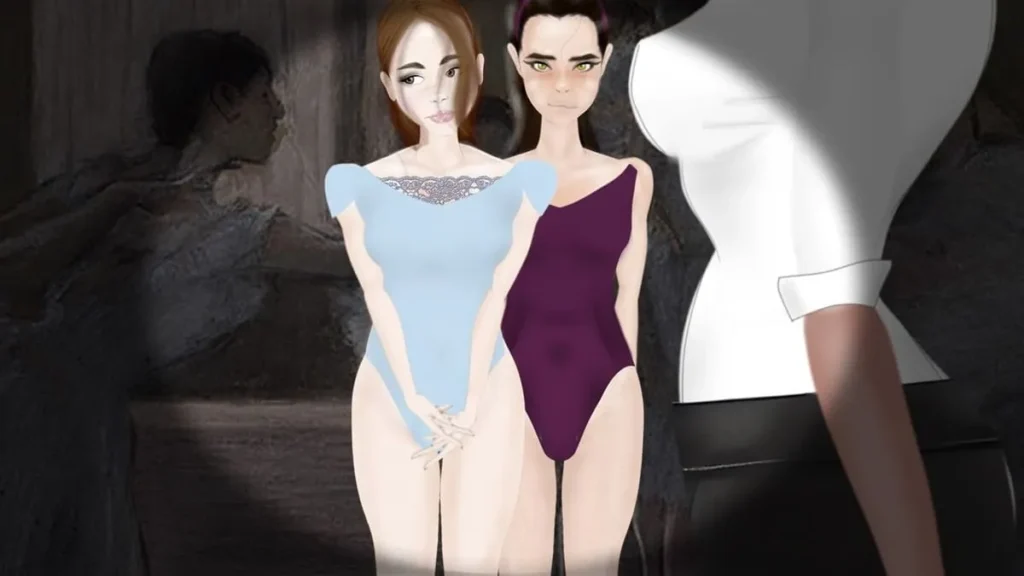


Camp Klondike review
A practical, experience-based look at Camp Klondike, from first steps to advanced progression
Camp Klondike is an interactive adult game that mixes story-driven progression, character relationships, and gradual unlocking of scenes in a summer camp setting. If you have just discovered Camp Klondike or you tried it briefly and felt a bit lost, you are not alone. When I first booted it up, I spent a couple of hours just wandering around, missing key events and wondering how to actually move the story forward. In this guide-style article, I’ll walk you through how Camp Klondike works, what makes it engaging, how to progress without wasting time, and whether it deserves a spot in your regular adult gaming rotation.
What Is Camp Klondike and How Does It Work?
So you’ve heard the name and you’re wondering: what is Camp Klondike, exactly? 🤔 Let’s cut through the noise. I’m here to give you a straight-talking, practical look at this interactive story game set in a summer camp that’s anything but ordinary. Think less about winning points and more about navigating a web of personalities, hidden stories, and gradual discoveries. In this guide, we’re focusing solely on this specific title—no comparisons, just a clear breakdown from someone who’s logged the hours.
If you’re looking for a quick button-masher, this isn’t it. The Camp Klondike game is a narrative-driven experience where your choices shape relationships and unlock the story. It’s built for players who enjoy the journey as much as the destination. Let’s dive in and demystify how it all works.
What is the core idea behind Camp Klondike?
At its heart, Camp Klondike is about immersion in a place and with its people. You arrive at a remote, somewhat mysterious summer camp, taking on the role of a new arrival. The core loop isn’t about flashy action; it’s about exploration, conversation, and timing. The camp itself is a character—with various locations like the main lodge, the lake, secluded forest paths, and character cabins that hold different opportunities depending on when you visit.
The game often uses a day-night cycle to structure events. Your morning might involve casual chats to build rapport, while evening exploration could lead to more private, story-significant encounters. The driving force is building relationships with the other campers and staff through your dialogue choices and actions. These aren’t just quick interactions; they’re multi-step processes where you learn about the characters, help them with small tasks, and slowly gain their trust… or something more.
I remember my first in-game day vividly. I spent hours just wandering, clicking on everything, and talking to everyone with generic greetings. I felt like I was getting nowhere fast—a classic new player mistake. 😅 It wasn’t until I re-read a character’s offhand comment about “needing some quiet by the docks after sunset” that it clicked. I went there that evening, triggered a completely new conversation branch, and suddenly a whole new storyline opened up. That “aha!” moment is what the Camp Klondike story is built on.
To give you the ultimate cheat sheet, the entire Camp Klondike gameplay experience rests on four main pillars:
- Exploration: The camp map is your playground. New areas and events unlock as the story progresses.
- Relationships: Each character has an independent affinity meter (often hidden) that you raise through positive interactions.
- Story Events: Key moments are triggered by specific combinations of location, time, and relationship levels.
- Unlockable Scenes: As a narrative-focused Camp Klondike adult game, significant milestones in a relationship are rewarded with intimate scenes that feel earned by the story.
How does progression in Camp Klondike actually work?
This is where many players get lost or frustrated, but once you understand the engine, it becomes a satisfying puzzle. Progression in the Camp Klondike game is a lock-and-key system. Your tools are exploration, dialogue choices, and patience.
The basic loop looks like this:
1. Explore the camp during different times of day.
2. Talk to characters. Listen carefully! Their dialogue often hints at where they’ll be later or what they might need.
3. Complete micro-tasks. This could be returning a lost item, delivering a message, or simply choosing supportive dialogue options.
4. Raise hidden affinity. Each successful interaction nudges your relationship score with that character upward.
5. Unlock new events. Once affinity reaches a threshold and you’re in the right place at the right time, a new story scene or branch will trigger.
Let me walk you through a typical cycle from my own playthrough—a real “Camp Klondike gameplay” example:
It was Day 4. I’d been consistently friendly with Alex, the outdoorsy guide. In a morning chat, they mentioned their favorite fishing rod was missing a part. I made a mental note. Later, while exploring the storage shed (a location I’d just gained access to), I found a small mechanical reel. That evening, instead of going to the bonfire, I went to the lake. Alex was there. I used the dialogue option “I found something you might be looking for,” gave them the reel, and that simple act unlocked a whole new, private conversation about why they really come to camp. This later led to a major story event on Day 7.
See how that worked? Exploration + Listening + Item + Correct Time/Location = Progression.
Here’s a practical table to visualize how different elements work together to trigger progression:
| What You Do (Action) | What It Affects | The Progression Result |
|---|---|---|
| Choosing a supportive dialogue option | Increases hidden affinity with a specific character. | Opens up new, more personal dialogue trees in future talks. |
| Visiting the forest path at night (instead of day) | Changes available events and which characters are present. | Triggers unique scenes that cannot be seen during the day. |
| Completing a character’s requested task | Significantly boosts affinity and potentially unlocks a new location. | Often leads to an immediate, rewarding story scene and flags the next step in their route. |
Actionable Advice to Avoid Common Mistakes:
* Don’t Wander Blindly: Use the map or journal if the game has one. If you’re stuck, systematically check each location at different times.
* Listen to Dialogue: Characters aren’t just making small talk. They give direct clues. Write them down if you have to!
* Save Strategically: 🔧 Before any significant choice or time transition, create a new save file. This lets you experiment without replaying entire days.
* Embrace Experimentation: Not every choice leads to instant reward. Sometimes a “wrong” choice teaches you what not to do next time. The Camp Klondike story is designed for replayability.
The game genuinely rewards patience. The most satisfying moments come from a long, slow build-up that finally culminates in a key scene, making it feel like a real achievement.
Who is Camp Klondike really for?
This is the most important question, and my Camp Klondike review take is this: It’s a fantastic experience, but for a specific player. Let’s be honest and respectful about who will get the most from it.
Camp Klondike is PERFECT for you if:
* You enjoy story-rich, character-driven narratives where scenes feel like a narrative payoff.
* You like the “slow burn” approach, where tension and relationships build over time.
* You get satisfaction from figuring out puzzle-like progression systems and uncovering secrets.
* You don’t mind reading substantial dialogue and making thoughtful choices.
* You appreciate managing multiple character routes across different playthroughs.
Camp Klondike might NOT be your fit if:
* You prefer immediate, arcade-style action with minimal reading.
* You dislike exploratory gameplay or the need to take notes and experiment.
* Your primary interest is in instant gratification without narrative buildup.
So, who is Camp Klondike for? Ultimately, it’s for the player who sees an adult game as a full narrative experience. I kept playing—and replaying—not just for the reward scenes, but for the satisfaction of piecing together each character’s story. There’s a unique joy in finally cracking the code to a character’s route after several days of in-game effort. It feels less like a game and more like being part of a juicy, interactive drama where your attention to detail is rewarded.
Understanding what is Camp Klondike and how it functions is the key to enjoying it. It’s a deliberate, thoughtful game about discovery. If you approach it with patience and a curious mind, you’ll find a deeply engaging experience beneath the summer camp surface. Now that you know the core idea, how progression works, and who it’s designed for, you can decide if you’re ready to step into the woods of Camp Klondike. 🏕️
Camp Klondike rewards curiosity, patience, and a taste for story-driven adult experiences set in a lively camp environment. Once you understand how the days flow, how character interactions unlock new routes, and how to navigate the camp without feeling lost, the game becomes far more enjoyable and satisfying. If you like the idea of slowly building connections, discovering hidden scenes, and feeling your choices shape how events unfold, Camp Klondike is worth giving a fair chance. Take the time to experiment, follow character hints, and treat each in-game day as an opportunity to push a storyline a little further. When those efforts finally pay off in new events and scenes, it feels genuinely earned.