Dual Family
Play Dual Family
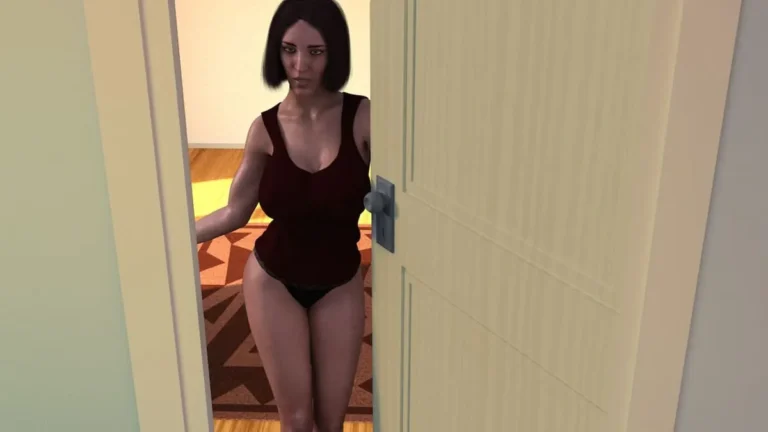
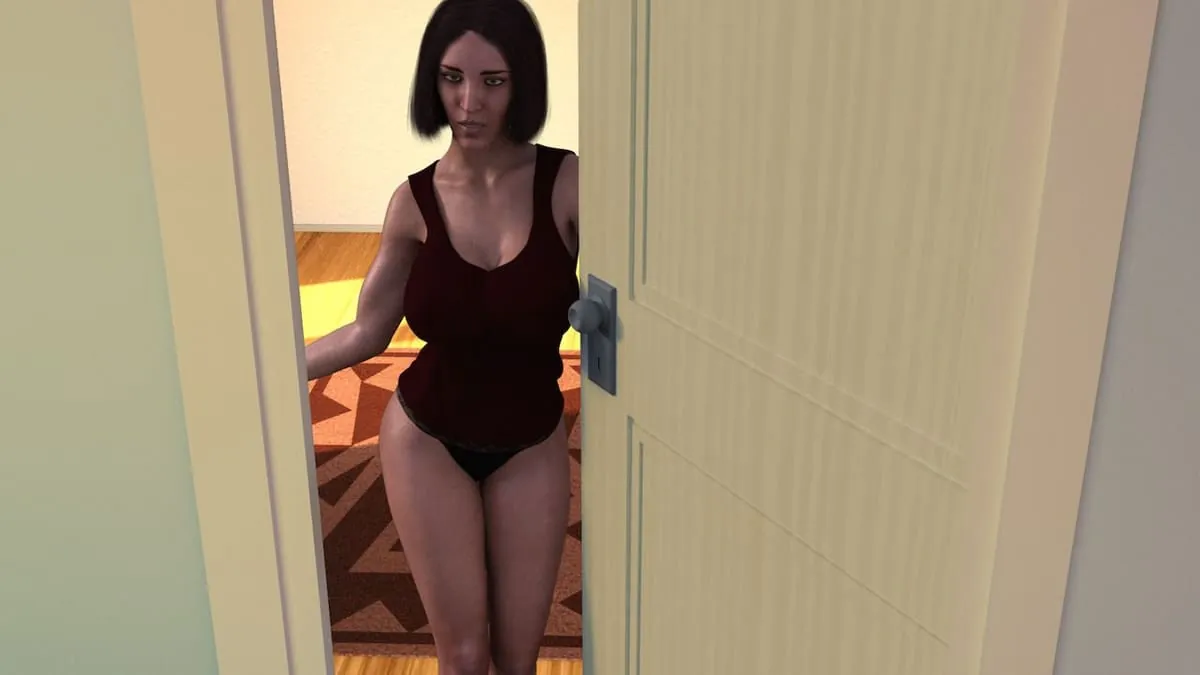
Dual Family Screenshots

Dual Family review
Explore the branching storylines, character choices, and immersive mechanics of this adult visual novel
Dual Family stands out as a choice-driven adult visual novel developed by Gumdrop Games that immerses players in a complex family narrative. This interactive experience allows you to choose between playing as the father or son, experiencing two distinct perspectives of one family’s emotional and relational breakdown. With uncensored content, branching storylines, and meaningful decisions that shape your journey, Dual Family delivers a premium gaming experience that combines psychological depth with engaging gameplay mechanics. Whether you’re drawn to narrative-heavy experiences or interactive storytelling, understanding what this game offers can help you decide if it matches your preferences.
Understanding the Dual Family Storyline and Character Dynamics
Imagine you’re handed the keys to a house where every conversation is a loaded gun, every glance holds a secret, and every family dinner is a negotiation. Welcome to the world of Dual Family, an adult visual novel that trades simple fantasy for gripping, emotional realism. This isn’t just a game; it’s a narrative experiment where you don’t just watch a family unravel—you guide its collapse or its cautious repair with every decision you make. 🏠💔
At its heart, the Dual Family storyline is a masterclass in dramatic tension, built not on outrageous events, but on the quiet, devastating erosion of intimacy and understanding. If you’ve ever wondered what truly goes on behind the closed doors of a “normal” home, this game offers a compelling, and often uncomfortable, answer.
The Core Narrative: A Family in Crisis
Let’s set the scene. You have a seemingly typical suburban family: a father, a mother, a son, and a daughter. The facade is there, but the foundation is cracked. The central crisis in the Dual Family storyline isn’t triggered by a single event, but by a slow-burning accumulation of neglect, unmet needs, and silent desperation. 👨👩👧👦
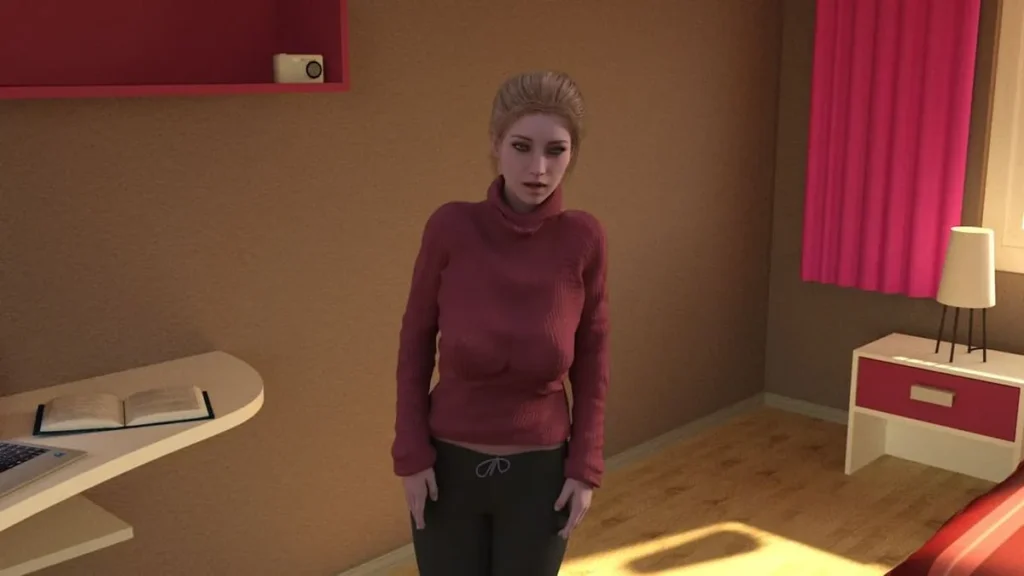
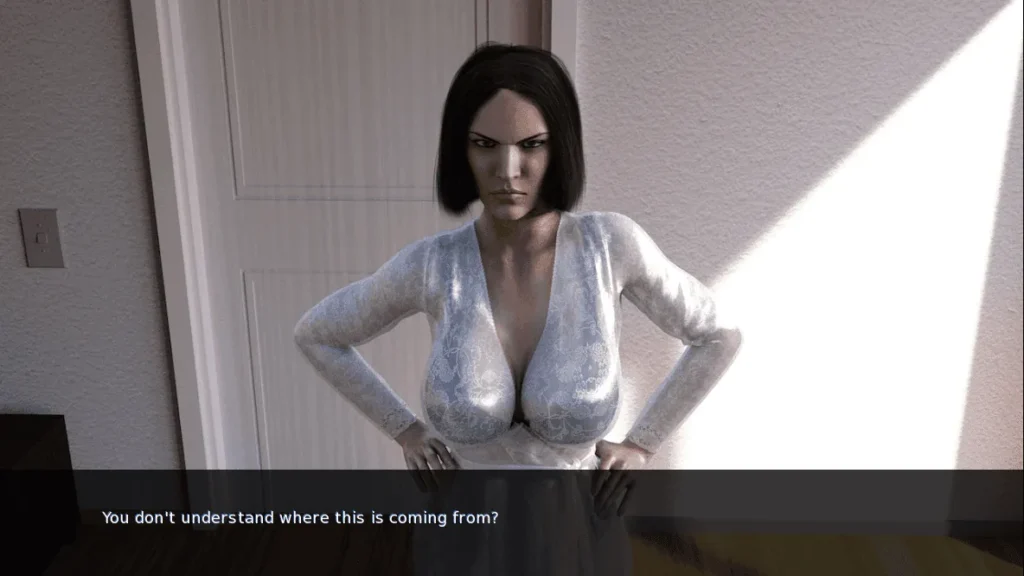
The mother, Linda, isn’t just a character; she’s a portrait of someone who has poured everything into her family, only to find her own cup empty. She’s seeking validation, a sense of being seen and desired not just as a mother or a wife, but as a woman. Her journey is profoundly human—it’s about reclaiming an identity that has been slowly buried under years of routine.
On the other side of the generational divide is the daughter, Chloe. She’s navigating the turbulent waters of sexual awakening and independence, but in a home where communication has broken down. Her exploration is as much about rebellion and self-discovery as it is about seeking the emotional connections she feels are missing at home. Her path is raw, confusing, and deeply relatable.
My Take: What hits hardest in this Dual Family narrative is its refusal to paint anyone as a pure villain. You understand Linda’s loneliness. You feel Chloe’s confusion. The game forces you to empathize, making your subsequent choices all the more morally complex and impactful. There are no easy answers here, only compelling questions.
This domestic pressure cooker creates the perfect environment for the game’s famous choice-driven gameplay. Do you, as a protagonist, try to bridge these growing gaps? Or do you exploit the vulnerabilities for your own ends? The narrative doesn’t judge—it simply reacts, making the Dual Family storyline a deeply personal reflection of your own narrative instincts.
Dual Protagonist System: Father vs. Son Perspectives
This is where Dual Family separates itself from the pack. You don’t get a single view of this crumbling household; you get two fundamentally different lenses. The father or son protagonist choice is the game’s first and most defining decision, effectively giving you two distinct games in one. It’s a brilliant design that doubles the narrative depth and replay value. 🔄
Playing as Michael, the father, is a story about responsibility, midlife longing, and authority. You see the family from the top down. Your choices revolve around maintaining your role as the pillar of the household while dealing with your wife’s distance and your children’s independence. Can you rekindle the spark with your wife, or does your attention wander elsewhere? How do you handle your daughter’s growing up? His path is often about control, legacy, and the weight of past decisions.
Choosing Alex, the son, flips the script entirely. This is a story about discovery, rebellion, and coming-of-age from within the chaos. You’re navigating parental expectations, your sister’s changing dynamic, and your own burgeoning desires. Your agency feels different—more about carving out your own space in a world defined by your parents’ problems. His perspective reveals secrets and tensions that a father would never be privy to.
To see how these paths truly diverge, let’s break it down:
| Aspect | Father (Michael) Perspective | Son (Alex) Perspective |
|---|---|---|
| Core Narrative Theme | Reclamation & Responsibility. Fixing what’s broken or seeking fulfillment outside it. | Discovery & Autonomy. Finding your own identity amidst family dysfunction. |
| Unique Story Elements | Access to adult-world problems (marital counseling, work stress, conversations with other parents). Scenes focused on providing or failing to provide. | High school dynamics, peer pressure, behind-closed-doors conversations with Chloe that parents never hear. Scenes focused on rebellion and testing boundaries. |
| Relationship with Linda (Mother) | Direct, spousal. Paths to reignite romance, pursue bitter detachment, or cold coexistence. Choices feel like marital decisions. | Filtered through a mother-son dynamic. Can become a confidant, a disappointment, or something dangerously inappropriate. Choices feel like familial crossings. |
| Relationship with Chloe (Daughter/Sister) | Paternal. Paths of protective guidance, neglectful distance, or corrupted guardianship. The power dynamic is inherent and vast. | Fraternal. Competitive, protective, confusing, or intensely close. The power dynamic is more fluid and peer-like. |
| Primary Conflicts | Internal (guilt, duty, fading passion) and with external adult figures. | External (parental rules, social norms) and internal (hormones, loyalty, jealousy). |
🌟 Personal Insight: In my first playthrough as Michael, I tried to be the “fixer,” which led to its own unique drama. On my second run as Alex, I was shocked by how much of the family tension I had been oblivious to from the father’s viewpoint. Entire subplots and character motivations only make sense from one perspective, making each playthrough a vital piece of the whole puzzle. This is choice-driven gameplay at its most structural and brilliant.
Character Development and Relationship Mechanics
If the dual perspectives are the engine, then the relationship tracking system is the beating heart of Dual Family. This isn’t a simple “like/dislike” meter you can max out with gifts. This is a sophisticated, invisible web of emotional states, secrets, and remembered interactions that governs every moment of the story. 💞
Every conversation, every favor, every moment of support or betrayal is logged. Pursue a connection with Linda, and Chloe might become distant, jealous, or act out. Side with the daughter against the mother, and you may find all paths to reconciliation with your wife permanently closed off. The game remembers everything, and it ensures that no relationship exists in a vacuum.
This meticulous tracking directly fuels the branching narrative paths. Think of it less like choosing “Route A” or “Route B” from a menu, and more like nurturing a delicate, living ecosystem. A kind word to one character here opens a new, tender scene three chapters later. A harsh dismissal there closes an entire storyline forever. The character relationships are the literal pathways through the story.
-
Realistic Dialogue & Motivations: The writing deserves a standing ovation. Characters don’t just say what you want to hear. They get defensive, they misinterpret your intentions, they reveal their insecurities in sideways glances. Linda’s motivations for seeking attention are layered with regret and a fear of aging. Chloe’s actions mix naive curiosity with a deep need for validation. This psychological depth gives the explicit content its emotional weight—it feels earned and consequential, not gratuitous.
-
Consequence-Driven Arcs: Your choices don’t just change a character’s opinion of you; they change the character themselves. Will Chloe grow into a confident young woman or spiral into rebellion? Will Linda find renewed confidence within her marriage or seek a more destructive form of empowerment? These arcs are shaped by you, creating a powerful sense of authorship (and sometimes guilt) over their fates.
-
The Path to Multiple Endings: All these threads—your chosen protagonist, your nurtured character relationships, your key decisions—weave together to determine your finale. The multiple endings system in Dual Family is vast. You can achieve endings that are bittersweet, tragic, surprisingly hopeful, or blatantly taboo. There’s no single “good” ending, only endings that are true to the story you’ve shaped. Some conclusions focus on a single repaired bond while the rest of the family shatters. Others might see the entire family find a strange, new equilibrium. Unlocking them all is a testament to exploring the game’s incredible narrative flexibility.
🧠 Actionable Advice: If you want to experience the full scope of the multiple endings, embrace saves. Save before major decisions. But more importantly, role-play. On one playthrough, be the selfish character pursuing a single desire at all costs. On another, be the mediator trying desperately to hold everything together. The relationship tracking system will reflect these radically different approaches, leading you down utterly unique branching narrative paths.
In the end, Dual Family is more than its mature content. It’s a compelling study of intimacy, power, and the fragile bonds of family. It asks uncomfortable questions and provides no easy answers, only the profound satisfaction of a story that truly reacts to your will. Whether you step into the worn shoes of the father or the restless sneakers of the son, you’re in for a narrative experience that will challenge, surprise, and stay with you long after you’ve seen your first ending.
Dual Family represents a sophisticated approach to interactive adult gaming, combining meaningful narrative choices with high-quality visual presentation and complex character dynamics. The game’s dual protagonist system, branching storylines, and consequence-driven gameplay create a personalized experience where your decisions genuinely shape the outcome of relationships and story progression. With multiple endings, atmospheric design, and realistic dialogue that deepens character connections, Dual Family offers substantial replay value for players seeking narrative depth alongside mature content. Whether you’re interested in exploring different perspectives through the father or son protagonist, discovering how various choices lead to distinct endings, or experiencing the psychological complexity woven throughout the story, this visual novel delivers a premium interactive experience. If you appreciate choice-driven narratives, complex character development, and immersive storytelling in adult gaming, Dual Family warrants exploration to discover which story paths resonate most with your preferences.