
Fatal Countdown – immoral List of Desires Screenshots
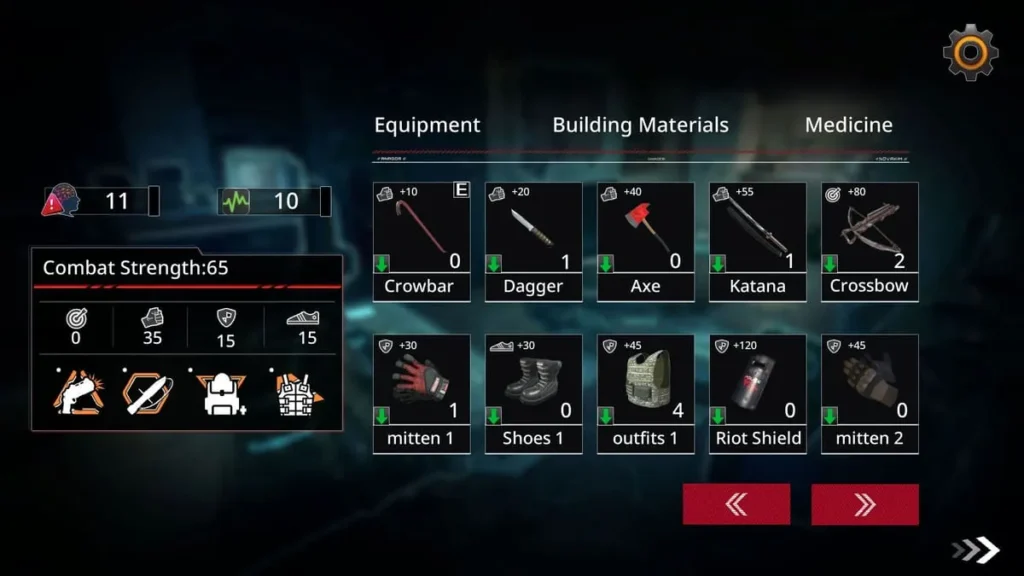





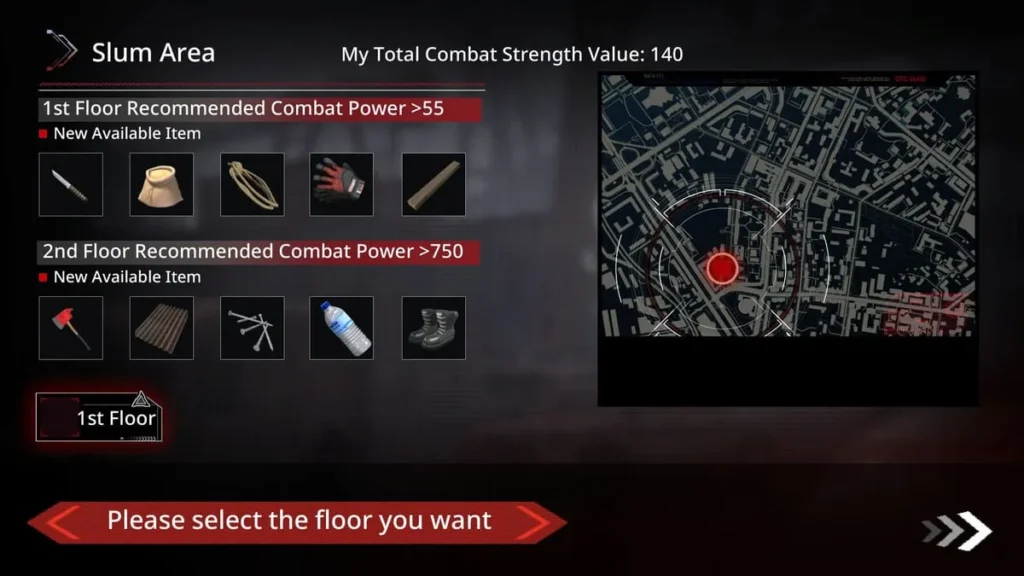

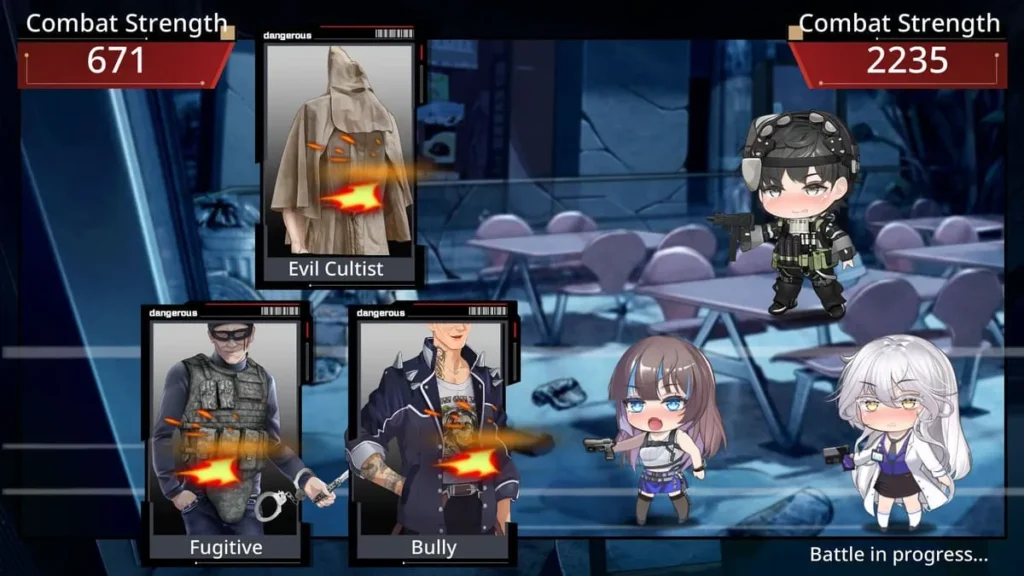

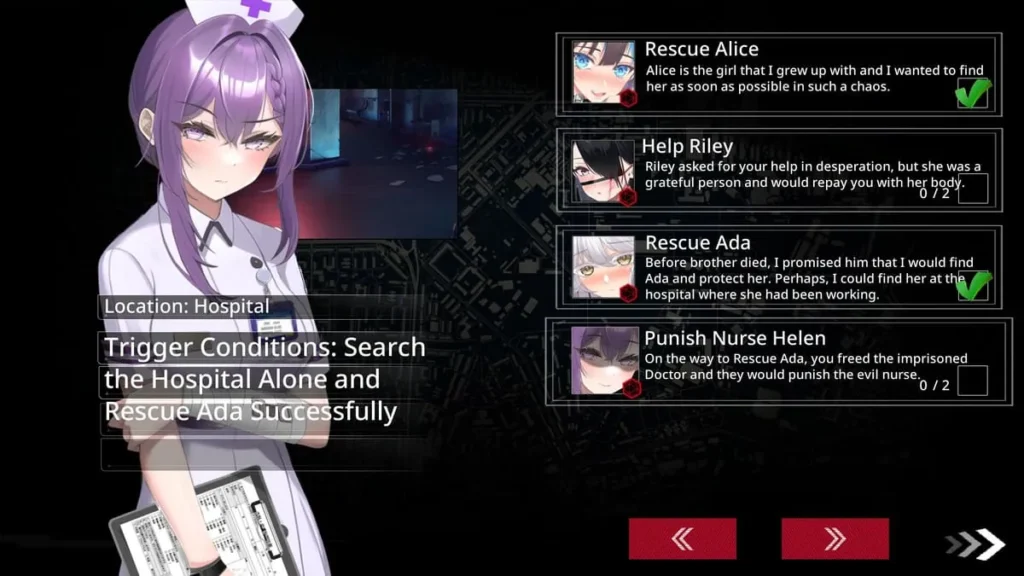
Fatal Countdown – immoral List of Desires review
An in-depth walkthrough, tips, and player insights for Fatal Countdown – immoral List of Desires
Fatal Countdown – immoral List of Desires is a narrative-driven visual simulation that blends survival mechanics, emergent choices, and adult-themed scenes into a tense, choice-focused experience. This article dives into the game’s premise, systems, and player strategies while offering personal playthrough notes and practical tips to help you get the most from your time in Fatal Countdown – immoral List of Desires. Whether you’re curious about mechanics, route variety, or how choices change outcomes, this guide walks you through key features and lessons learned from multiple play sessions.
Gameplay Overview and Core Mechanics
So, you’ve just hit ‘New Game’ on Fatal Countdown – immoral List of Desires, and you’re staring at a beautifully grim cityscape, a handful of resources, and a clock that’s already ticking down. Where do you even start? 😅 I remember my first boot-up, feeling equal parts excited and utterly overwhelmed. This isn’t your typical visual novel where you just click through dialogue. This is a high-stakes, heart-pounding visual novel simulation hybrid that demands your attention, strategy, and sometimes, your courage to make brutal calls. Let’s break down exactly what you’re getting into and how to not just survive, but master its intricate world.
What kind of game is Fatal Countdown – immoral List of Desires?
Developed by the masters of tension at Dreamscape Interactive, Fatal Countdown – immoral List of Desires is a game that lives up to its name. It seamlessly blends a deep, choice-driven narrative with intense survival and management Fatal Countdown mechanics. Think of it as part emotional visual novel, part resource-strategy sim, all wrapped in a noir-inspired aesthetic where every second counts. 🕰️
The premise is gripping: you play as a survivor in a fractured city under a mysterious, creeping threat. Your goal isn’t just to uncover the truth behind the “Countdown,” but to physically and emotionally survive the ordeal. The core Fatal Countdown – immoral List of Desires gameplay loop is a constant, beautiful struggle between three pillars: exploring the city for clues and resources, managing your safehouse and survival stats, and building (or breaking) relationships with a cast of complex characters. Each day is a fresh set of difficult decisions. Do you spend your precious afternoon gathering wood to reinforce your shelter, or do you visit a fellow survivor who seems on the verge of breaking down? The game never lets you forget that time is the one resource you can never get back.
Resource, time and survival systems
This is where the game truly separates itself from the pack. The survival systems Fatal Countdown employs are not just window dressing; they are the engine of the entire experience. Your life hinges on four key resources: Food, Water, Materials, and Morale. Let’s talk about the resource management Fatal Countdown requires.
You’ll gather these through activities in the city map. Farming plots yield food, but take real-time days to grow. Logging in the urban forest gives you wood for repairs and upgrades. Scavenging abandoned buildings might net you precious salvage, but it’s risky and drains your energy. Every single action—from foraging to having a deep conversation—consumes time blocks (morning, afternoon, evening) and often stamina.
The UI is your lifeline. Keep your eyes glued to the top of the screen:
- The Central Clock & Date: This is your omnipresent nemesis and guide. Certain story events and character availabilities are tied to specific days and times.
- Resource Bars: A clear display of your current Food, Water, and Materials stockpiles.
- Character Portraits with Hearts: This is your quick-glance relationship status for key characters. Fill those hearts through positive interactions.
- Shelter Integrity & Morale Meters: Usually found in your safehouse menu, these show your base’s physical security and your own (or your group’s) mental state. Let these dip too low, and bad endings become much more likely.
Here’s a quick breakdown of primary resources and their core uses:
| Resource | Primary Gathering Methods | Key Uses & Dangers |
|---|---|---|
| Food & Water | Farming, fishing, scavenging markets, trading. | Consumed daily. Running out starts a rapid health and morale decline. Prioritize steady supply. |
| Materials (Wood, Metal, Salvage) | Logging, mining, scavenging ruins, dismantling items. | Upgrading shelter, crafting tools, repairing walls. Critical for long-term survival against escalating threats. |
| Morale | Comforting conversations, decorating safehouse, consuming luxury items. | Affects decision-making clarity, relationship depth, and can trigger special scenes or breakdowns. |
| Time | The ultimate finite resource. Cannot be gathered, only allocated. | Every action consumes it. Poor time allocation is the most common cause of failed playthroughs. |
My first playthrough taught me a harsh lesson about this balance. I was so focused on uncovering the mystery that I treated survival as a mini-game. I’d spend days in a row exploring, coming home with great story clues but empty pockets. On Day 7, a minor crisis hit—my shelter’s wall needed repair. I didn’t have the wood. Spending the next day getting it meant missing a critical, time-sensitive meeting with Lily, a character who held key information. By the time I was secured, her trail was cold. That single misjudgment in resource management Fatal Countdown demands locked me out of her entire route and a major story branch. The game doesn’t punish you; it simply respects your choices with logical, often devastating, consequences.
Choice, consequence, and route branching
Now, for the heart and soul of the experience: how choices affect outcomes Fatal Countdown. This isn’t about “good” or “bad” dialogue options. It’s a web of interconnected decisions that range from the mundane to the monumental. Every choice filters through the game’s three core systems: Relationship Values, Resource Status, and Timed Flags.
That conversation you had about sharing rations? That might boost your trust with one character but sow jealousy in another. Choosing to fortify your gate instead of attending a town meeting might save you from a raid later but make the community distrust you. The game tracks everything with impressive subtlety.
Route branching is particularly sophisticated. Character routes aren’t simply unlocked by always being nice. They require specific prerequisite conditions, often a mix of:
* Trust Level: Hitting a certain heart threshold with the character.
* Key Decisions: Making story choices that align with their worldview or needs.
* Resource Checks: Having a secure enough shelter or enough supplies to trigger their “dependency” or “partnership” path.
* Timed Events: Being at the right place at the right time, which itself depends on your prior time management.
Some paths are mutually exclusive from the very beginning based on your philosophical approach to survival. Others “soft lock” midway if you fail to meet a hidden condition. This makes every playthrough uniquely personal. Here’s a simplified example of how early choices can ripple outward:
| Early Game Choice (Day 3) | Immediate Consequence | Potential Long-Term Branching Effect |
|---|---|---|
| Share your found medicine with the sick child in the plaza. | -1 Medical Supplies, +Trust with Family Group, -Trust with the “Hoarder” character who values pragmatism. | Unlocks access to the Family Group’s sheltered market later. May lock out the “Hoarder’s” pragmatic alliance route. |
| Keep the medicine for your own stash. | Medical Supplies safe, +Trust with “Hoarder”, Family Group becomes cold and transactional. | Gain a powerful but morally flexible ally early. Lose access to cheaper resources and a potential “redemption” story branch. |
| Investigate the strange noise in the alley instead. (Uses the same time block) | Discover a hidden scavenger spot, gain Materials. No relationship change. | Boost early game upgrade speed. Miss the character-defining event entirely, keeping both groups neutral but leaving story threads unexplored. |
This depth is what makes the Fatal Countdown – immoral List of Desires gameplay so endlessly replayable. You’re not just picking a love interest; you’re crafting a survival philosophy and seeing a version of the story that reflects it.
Your First Session Priorities: A Practical Plan
Feeling daunted? Don’t be. Here’s what you should focus on in your first 3-4 in-game days to build a strong foundation:
1. Scout & Secure: Your first day should be about immediate safety. Use an afternoon to fully explore your immediate safehouse zone and establish a safe base. Repair basic breaches and set up a rudimentary rain collector or bed.
2. Balance the Basics: Don’t go all-in on one resource. Aim for a routine: one time block for food/water gathering, one for materials, one for story/relationship. This early resource balance prevents sudden collapses.
3. Map the High-Value Spots: Use your initial explorations to mentally note key locations—a fertile farming plot, a dense logging area, a character’s frequent hangout. Scouting high-value locations early saves immense time later.
4. Save, Save, and Save Again: Before any major decision or at the start of each new day, create a new save file. This game is built for experimentation.
Final Beginner Tips to Internalize:
Watch the clock like a hawk. It’s always ticking, and the game rarely pauses it for you. 🦅
Upgrade your resource generation early. A better axe means more wood per action, which snowballs into everything else. ⛏️
Talk to everyone, but listen closely. Sometimes what a character doesn’t say is more important than their dialogue options.
Mastering the Fatal Countdown mechanics is a journey of failure, adaptation, and triumph. Embrace the tension, learn from your mistakes, and remember: in a city counting down, every choice is a step toward your unique end. Now, get out there and start your countdown.
- Save in multiple slots.
- Prioritize one resource-gathering upgrade first.
- Scout all nearby zones by Day 3.
- Balance food and material runs daily.
- Track timers on events like a hawk.
Fatal Countdown – immoral List of Desires delivers a tense, branching experience that rewards careful resource planning, deliberate role choices, and repeat playthroughs to uncover alternate outcomes. This guide summarized the core mechanics, narrative drivers, progression strategies, route-planning tactics, and community resources to help players approach the game with confidence. Try a conservative first run to learn pacing, then experiment with choices to reveal character routes and rare endings; and if you use community content, back up your saves first. If you enjoyed this guide, share your own playthrough stories or questions so I can add tips based on your runs.