
Kaiju Princess Screenshots







Kaiju Princess review
Exploring gameplay mechanics, story elements, and what makes this title stand out
Kaiju Princess has carved out a unique niche in the gaming landscape by blending time management mechanics with narrative-driven gameplay. This title combines resource management, character development, and relationship building into a cohesive experience that appeals to players seeking something beyond traditional gaming fare. Whether you’re interested in understanding the core gameplay loop, exploring the story elements, or learning what sets this game apart from competitors, this guide provides comprehensive insights into what makes Kaiju Princess a notable entry in its genre. The game has garnered attention for its approach to balancing multiple gameplay systems while maintaining engaging content throughout.
Understanding Kaiju Princess Gameplay Mechanics
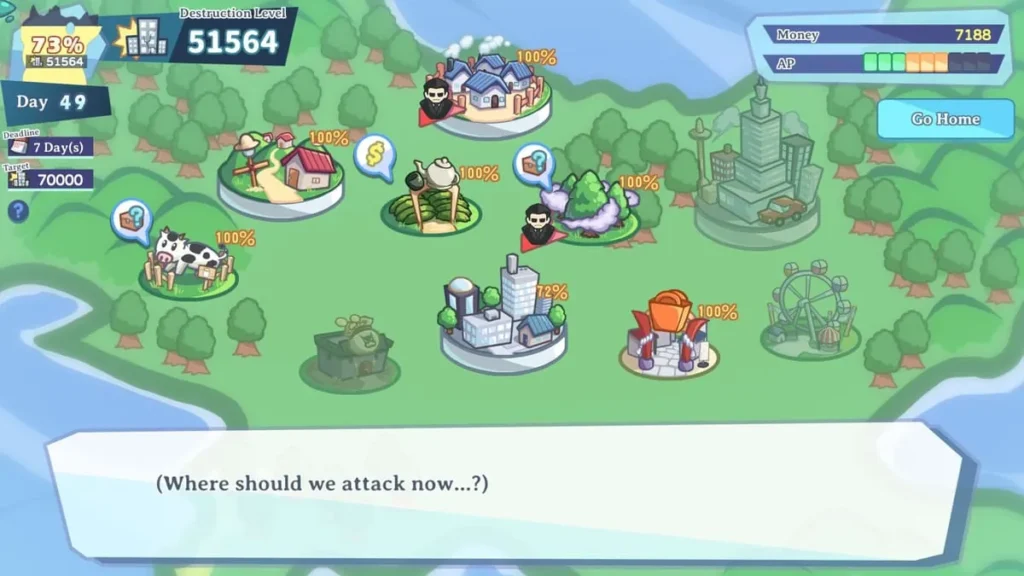
Ever opened a game, seen a dozen meters to fill, a ticking clock, and a tiny energy bar, and just felt… overwhelmed? 😅 That was me when I first booted up Kaiju Princess. I wanted to hang out with cool monster characters, but suddenly I was a full-time property manager, life coach, and city planner for a being of mass destruction. It’s a lot! But here’s the secret I learned: once you crack its time management game mechanics, everything clicks into place. This isn’t just about clicking fast; it’s about strategic planning, understanding a daily gameplay loop, and making every single point of energy count. Let’s dive deep into the Kaiju Princess gameplay mechanics that make this title so uniquely engaging.
Core Time Management Systems ⏳
At its heart, how to play Kaiju Princess is a masterclass in prioritization. Your most precious commodity isn’t gold or gems—it’s Energy. Every single action, from washing a dish to punching a skyscraper, costs a slice of this finite daily resource. This creates a deliciously tense puzzle right from the morning alarm. Do you spend energy making breakfast to boost mood, or do you save it for your afternoon rampage to meet your destruction quota? 🤔
This system is the brilliant core of Kaiju Princess gameplay mechanics. It forces you to think strategically, not just reactively. You can’t do everything in one day, so you must decide what’s truly essential versus what can wait. Early on, this feels restrictive. I remember days where I’d exhausted my energy by noon, leaving my Kaiju Princess hungry and my apartment a mess, all because I mismanaged my actions. But this limitation is by design—it’s what makes progression feel earned.
The key is understanding that not all tasks are created equal. Some are vital for maintaining your character’s basic functioning (more on that soon), while others are investments for long-term gains. This energy management in games is what separates a struggling player from a thriving one. It’s about seeing the daily not as a series of chores, but as a strategic puzzle where you allocate limited resources for maximum benefit.
To help visualize the trade-offs, here’s a breakdown of common early-game actions and their costs:
| Activity | Energy Cost | Primary Benefit | Priority Tip |
|---|---|---|---|
| Preparing a Meal | 4 | Restores Hunger, small Mood boost | High – Essential for maintaining stats. |
| Cleaning the Apartment | 3 per item | Prevents Mood decay, unlocks events. | Medium-High – A dirty home hurts progress. |
| City Destruction (Small) | 6 | Fills Destruction Quota, earns Gold. | Variable – Essential for quota, but timing matters. |
| Taking a Nap | 0 (but costs time) | Restores a small amount of Energy. | Medium – A strategic tool for extending the day. |
| Social Interaction (Basic) | 2 | Increases Relationship, boosts Mood. | Medium – Key for long-term story unlocks. |
This table is your cheat sheet for the initial time management game mechanics. Notice the balance? Survival (food, clean home) vs. Duty (destruction) vs. Growth (social). Your daily decisions revolve around this triangle.
Resource Management and Daily Loops 🔄
If Energy is your gasoline, then your Kaiju Princess’s Hunger, Mood, and Home Cleanliness are the engine gauges you can’t ignore. This triad forms the foundational resource management systems you’ll monitor every single day. Let me tell you about my “Disaster Tuesday.” I was so focused on saving energy for a big destruction spree that I let hunger hit zero. My princess’s mood plummeted, which made every action less effective, and I failed my daily quota. It was a cascade failure of poor management! 😫
This is the essence of the daily gameplay loop in Kaiju Princess:
1. Morning Check: Assess Hunger, Mood, and Apartment status. A bad start here sets a rough tone.
2. Strategic Allocation: Spend your morning Energy on the most critical “maintenance” tasks—usually food and a bit of cleaning.
3. Primary Goal Work: Once your core stats are stable, tackle your main objective, like fulfilling your destruction quota or advancing a character’s story.
4. Evening Wind-Down: Use leftover Energy on low-cost social activities or preparation for the next day.
5. Sleep, Reset, Repeat: The day ends, some resources replenish, and you plan for tomorrow.
The magic is how this loop evolves. At first, you’re in pure survival mode, just trying to keep the lights on. But as you acquire items—like a better fridge that makes cooking cost less energy, or a game console that boosts mood—your efficiency skyrockets. You spend less energy on maintenance, freeing up huge swaths of your day for story progression, shopping, or just causing beautiful chaos in the city. The resource management systems transform from a brutal constraint into a satisfying engine of growth.
Pro Tip: Your first in-game week is a learning period. Don’t stress about perfect days. Instead, focus on learning the cause-and-effect of each action. How much does a full meal restore? Exactly how much does a dirty room lower mood? This data is your real power.
Here are some essential tips for conquering the early game and mastering these interconnected systems:
- Mood is Your Multiplier: 🧠 A high Mood makes everything slightly better and is often the gate for special events. A small investment in keeping it high (via cleaning, gifts, or entertainment) pays dividends all day.
- Clean in Batches: 🧹 Don’t clean one item at a time throughout the day. Let a few items get dirty, then clean them all in one go. This minimizes the mental load and often triggers positive “cleaned the house” mood bonuses.
- The Quota is a Guide, Not a Tyrant: 🏢 You have a daily destruction goal, but it’s okay to miss it occasionally while you stabilize your resource management systems. A day spent buying a crucial appliance or deepening a relationship is never wasted.
- Nap Strategically: 😴 The free nap is a secret weapon. If you have low energy but high hunger/mood, a nap can give you the boost needed to cook a meal without crashing.
- Unlock the Calendar: 📅 One of the first upgrades you should aim for is view of the week’s schedule. Knowing when special events or tougher quotas are coming lets you plan your resource allocation days in advance.
This is the beautiful grind of how to play Kaiju Princess effectively. The initial struggle is real, but it makes your eventual mastery and the expanding of your daily possibilities incredibly rewarding.
Progression and Character Development 📈
This is where Kaiju Princess truly separates itself from simple management sims. Your growing mastery over time and resources directly fuels a deeply satisfying character progression system. You’re not just optimizing a spreadsheet; you’re improving the life of your gigantic, sometimes-grumpy roommate. Every gold coin saved, every energy point conserved, is a step toward a new item that changes your daily reality.
I’ll never forget the day I bought the “Auto-Cleaner.” It was a massive investment, saving for days while my apartment languished in mild disarray. But once I placed it, a chunk of my daily gameplay loop was automated. The energy I used to spend on cleaning was suddenly freed for more dates or bigger city battles. This is the core progression loop: identify a bottleneck in your routine (e.g., “cleaning takes too much time”), earn gold through efficient management of your duties, and purchase an upgrade that permanently alleviates that bottleneck. 🎯
The character progression system works on two parallel tracks:
1. Tangible Apartment Upgrades: This is your gear. Better appliances, furniture that boosts stat regeneration, decorative items that lock in mood bonuses. Each one alters the fundamental math of the Kaiju Princess gameplay mechanics, making you more powerful and efficient.
2. Relationship and Story Unlocks: As you manage your time to include social activities, you deepen bonds with other characters. This unlocks new story scenes, special events, and often provides unique rewards or discounts. It’s the narrative payoff for your managerial skill.
However, this progression leads to an interesting point about the game’s lifespan. Once you’ve acquired the major quality-of-life items and have a firm handle on the time management game mechanics, the core challenge can diminish. You reach a point of “solved” efficiency, where your daily loop is so optimized that meeting quotas and maintaining stats becomes routine. For some players, this is the satisfying endgame—the proof of their mastery. For others, the repetition can set in, with the drive shifting entirely to seeing remaining story content.
Yet, even then, the initial journey—that tense, funny, and sometimes frustrating climb from chaos to control—is where Kaiju Princess shines brightest. The resource management systems aren’t just obstacles; they’re the language through which you build a relationship with this bizarre, charming world. You learn the how to play Kaiju Princess not by reading a guide, but by living those virtual days, making mistakes, and discovering that sweet spot where destruction and domesticity balance perfectly. That’s the unique magic this game offers, and mastering its intricate mechanics is a deeply rewarding experience all its own.
Kaiju Princess stands out as a well-crafted management game that successfully integrates multiple gameplay systems into a cohesive experience. The time management mechanics form a solid foundation that remains engaging throughout the early and mid-game phases, while the narrative elements and character relationships provide context and motivation for player actions. The game’s design philosophy of allowing players to engage with different aspects at their own pace demonstrates thoughtful game design that respects player agency. Whether you’re drawn to the strategic resource management, the character-driven narrative, or the overall experience, Kaiju Princess offers a unique blend of mechanics and storytelling that has resonated with players. For those considering whether to invest time in this title, the game delivers on its promise of combining engaging management gameplay with meaningful narrative progression, making it a worthwhile experience for players seeking something beyond conventional gaming offerings.