
No More Money
Play No More Money
No More Money Screenshots




















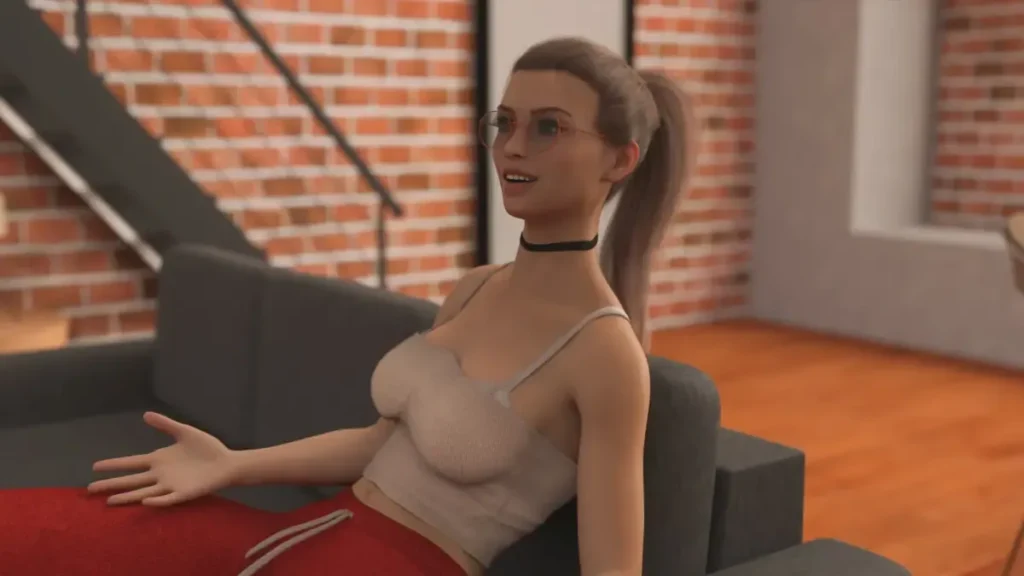



No More Money review
Explore gameplay mechanics, story routes, and features of this mature visual novel
No More Money is a mature visual novel that combines storytelling with character-driven gameplay. The game follows a young protagonist whose family faces financial hardship after his father’s company fails, forcing him to navigate complex relationships and moral choices. Players must decide between maintaining integrity or pursuing various romantic interests, with multiple story routes offering different outcomes. This comprehensive guide explores the game’s mechanics, narrative structure, character development, and what makes it stand out in the visual novel genre.
Understanding No More Money: Core Gameplay and Story Structure
Let’s be honest—we’ve all seen visual novels that promise a deep story but deliver something… less impressive. You know the type: cardboard characters, a plot thinner than tissue paper, and choices that don’t seem to matter. 🫤 I went into No More Money with that familiar wariness, expecting another superficial experience. What I found instead was a narrative that grabbed me by the collar and refused to let go, built on a foundation of ruthless economic anxiety and intimate, crumbling relationships. This isn’t just a game; it’s a pressure cooker for your morals.
The core premise is brutally relatable. You play as a young man whose family has plummeted from comfort into dire straits after a financial disaster. The bank is at the door, and your once-spacious home now feels like a cage. This immediate, tangible crisis is the engine of the entire No More Money gameplay experience. Every decision you make is filtered through this lens of scarcity and desperation. Will you be the selfless hero trying to hold your family together, or will you look out for number one in a world that seems to have left you behind? This central duality is the soul of the game.
What Makes the Narrative Compelling?
The genius of this No More Money visual novel lies in how it makes you feel the weight of every dollar. This isn’t abstract; it’s your father’s defeated posture, your mother’s silent worry, and the eerie emptiness of rooms you can no longer afford to heat. The game masterfully uses this environment as a character in itself, shaping interactions and amplifying tension.
A huge part of the No More Money gameplay loop that hooked me was the job search mechanic. It’s not just a menu screen; it’s a persistent, nagging reminder of your failure. Scrolling through listings, sending out applications, and facing rejection isn’t glamorous—it’s painfully authentic. This grind directly fuels the narrative. Your financial progress (or lack thereof) opens or closes narrative choices and consequences, influencing how characters perceive you and what opportunities emerge from the shadows. Need to make a shady deal to cover the mortgage? That option becomes far more tempting when the electricity is about to be shut off.
But where the game truly shines is in its pacing and visual novel character development. It understands the power of the slow burn. Relationships aren’t built in a single conversation; they are fragile things that require attention, consistent choices, and sometimes, difficult sacrifices. The game brilliantly balances this deliberate pacing with strategically placed content to maintain engagement. An early connection with your girlfriend provides intimacy, but it also sets a contrasting benchmark for the more complex, ethically fraught relationships you’ll navigate at home. It creates a compelling push-and-pull: the comfort of a known relationship versus the dangerous, corrupting allure of new dynamics born from shared desperation.
Here are the key gameplay features that make this structure work so well:
- A Choice-Based Narrative with Real Teeth: Your decisions aren’t just about being “nice” or “mean.” They are strategic, often morally grey, and have cascading effects that can lock you out of entire story threads or unlock shocking new ones.
- Deep Character Relationship Tracking: Hidden meters and flags track your standing with every character. A supportive conversation with your sister might boost her trust, while a selfish act observed by your mother could quietly decay your bond with her forever.
- Branching Multiple Endings: Your path defines your ending. There’s no single “true” ending, only the conclusion your choices deserve, making each playthrough a unique story.
- High-Quality Renders & Animation: The visual presentation is stellar. Character models are expressive and detailed, and subtle animations—a nervous glance, a hesitant touch—add a layer of realism that pulls you deeper into the drama. 👁️✨
How Do Multiple Routes Change Your Experience?
This is where the No More Money experience multiplies. The game isn’t telling one story; it’s offering several vastly different novels wrapped in one package. Your moral alignment—choosing the “good guy” path or embracing selfish desires—acts as the primary fork in the road, but from there, the branches spread out wildly based on which characters you invest in and how.
Pursuing a route isn’t as simple as always picking the flirtatious dialogue option. It’s about consistent characterization. If you want to explore a particular connection, you must make choices that align with that path, often at the expense of others. I learned this the hard way. In one playthrough, I focused solely on mending the family’s spirit, which led to a profoundly heartfelt but financially bleak conclusion. On another, I pursued my own gratification, which spiraled into a tense, dramatic, and morally complex saga of manipulation and consequence. The visual novel story routes are distinct, packed with unique scenes, dialogue, and emotional payoffs (or devastating betrayals).
The replay value is immense. Knowing what happens on one path only deepens the tragedy or irony of another. You might see a character as a victim in one story and understand them as a catalyst of chaos in the next. This design makes the world feel alive and interdependent, far beyond just your own point of view.
To help visualize how these paths diverge, here’s a breakdown of the core route archetypes:
| Primary Path Focus | Moral Alignment | Key Character Dynamics | Story Outcome Themes |
|---|---|---|---|
| The Redeemer | Selfless / “Good Guy” | Repairing family bonds, supporting everyone’s well-being, honest job struggle. | Sacrifice, familial love, bittersweet stability. A focus on emotional rather than financial wealth. |
| The Corruptor | Selfish / “Bad Guy” | Exploiting the family’s vulnerability, pursuing intimate goals with multiple characters, engaging in shady dealings. | Power, manipulation, moral decay, and potentially dramatic, unstable “success.” |
| Balanced / Opportunist | Mixed Choices | Trying to have it all—helping sometimes, being selfish others. This often leads to conflicting loyalties. | Chaos, unintended consequences, and endings where you may lose everything by trying to please everyone. |
| Character-Specific Route (e.g., focused on one family member) | Depends on approach | Deep, singular investment in one relationship, often neglecting others. Requires specific choice patterns. | Intense, focused narrative on that relationship’s potential, for better or worse. Can be redemptive or destructive. |
Character Development and Relationship Mechanics
If the financial collapse is the skeleton of the story, then the character relationship mechanics are its nervous system—complex, sensitive, and driving every action. This isn’t a dating sim with simple affection points. Each major character has a richly written personal arc that intersects with your own, and your influence can steer them toward growth, ruin, or something tragically in-between.
The protagonist’s development is directly tied to your choices. Are you becoming a more responsible person under pressure, or are you shedding your morals to survive? This internal journey is mirrored externally by the family. Your sister might start off distant and troubled, but through supportive narrative choices and consequences, you could help her find confidence and purpose. Conversely, neglect or poor treatment could send her down a much darker path. The same applies to every character. The mother’s arc, for instance, can be one of rediscovered strength or tragic surrender to despair, heavily influenced by your actions as her son.
The progression system is often invisible, which is its greatest strength. You won’t always see a “+5 Relationship” pop-up. Instead, you witness it in changed dialogue, new conversation options appearing days later, and subtle shifts in body language during renders. A character you’ve consistently been kind to might confide in you during a moment of crisis. One you’ve manipulated might surprise you with a shrewd counter-move of their own. This makes every interaction feel meaningful and authentic.
My Insight: The most gripping moments in my No More Money playthroughs weren’t the obvious plot twists, but the quiet, earned scenes. A heartfelt talk with my father on the porch after weeks of rebuilding trust felt more impactful than any scripted drama. That’s the power of its visual novel character development.
Mastering these mechanics is the key to any No More Money story guide. To unlock a specific path, you must understand what drives each character. Is it a need for security? A desire for escape? Recognition? Your choices must cater to those deep-seated needs (or exploit them). The game respects your intelligence, presenting complex personalities rather than simple archetypes, making the process of building—or breaking—bonds incredibly engaging.
Ultimately, No More Money succeeds because it ties everything together: the stressful No More Money gameplay of financial survival, the far-reaching branches of its visual novel story routes, and the delicate, rewarding system of character relationship mechanics. It creates a cohesive world where your choices about money, morality, and intimacy are inextricably linked, leading to a profoundly personal story every time you play. Whether you seek a tale of redemption, a descent into corruption, or something uniquely in-between, this visual novel provides the tools and the terrifically tense playground to make it happen. 🎭🔥
No More Money stands out as a mature visual novel that successfully balances narrative depth with engaging gameplay mechanics. The game’s clever approach to pacing—introducing early content through the girlfriend character while building anticipation for other relationship routes—keeps players invested throughout their experience. With multiple story paths, meaningful character choices, and high-quality character renders and animations, the game offers substantial replay value for those interested in exploring different moral alignments and outcomes. Whether you’re drawn to the story-driven experience or the character interactions, No More Money delivers a comprehensive visual novel experience that rewards player engagement and choice-making.