Onhold A Shot in the Dark
Play Onhold A Shot in the Dark
Onhold A Shot in the Dark Screenshots
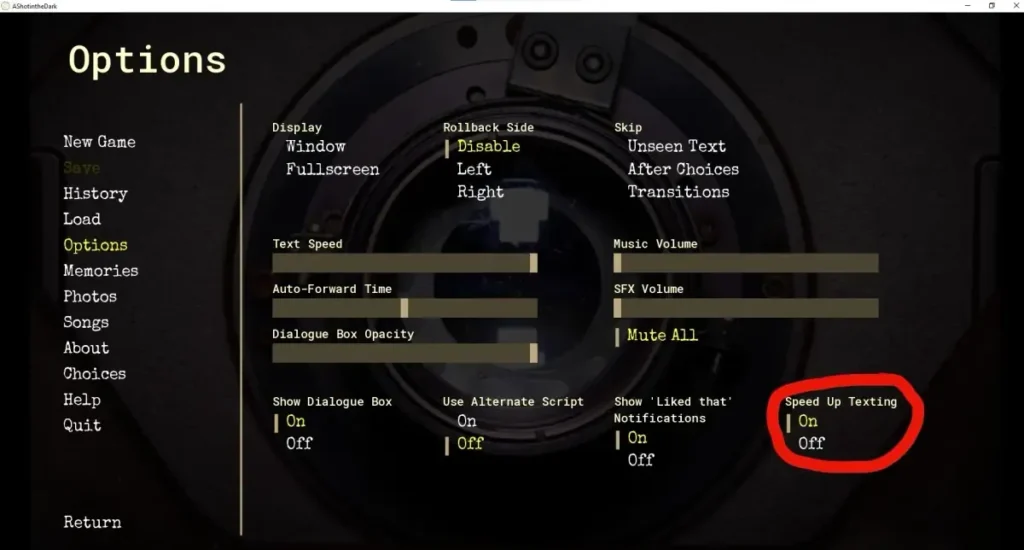




















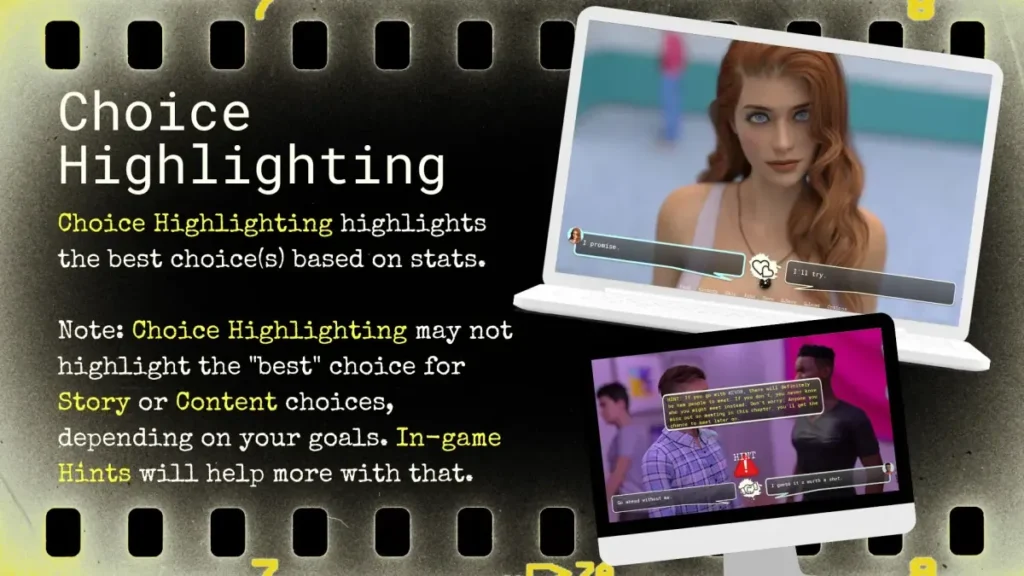
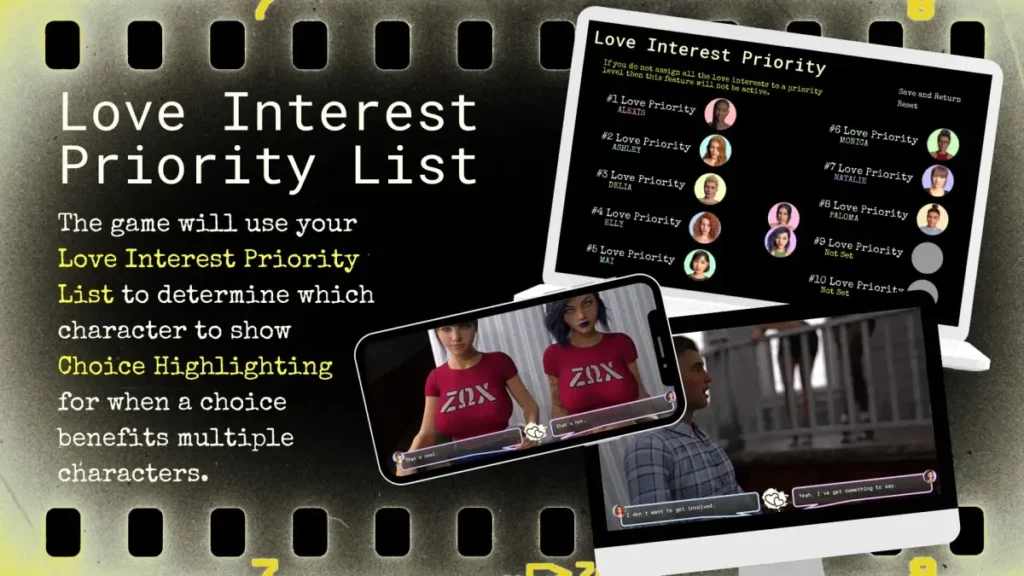
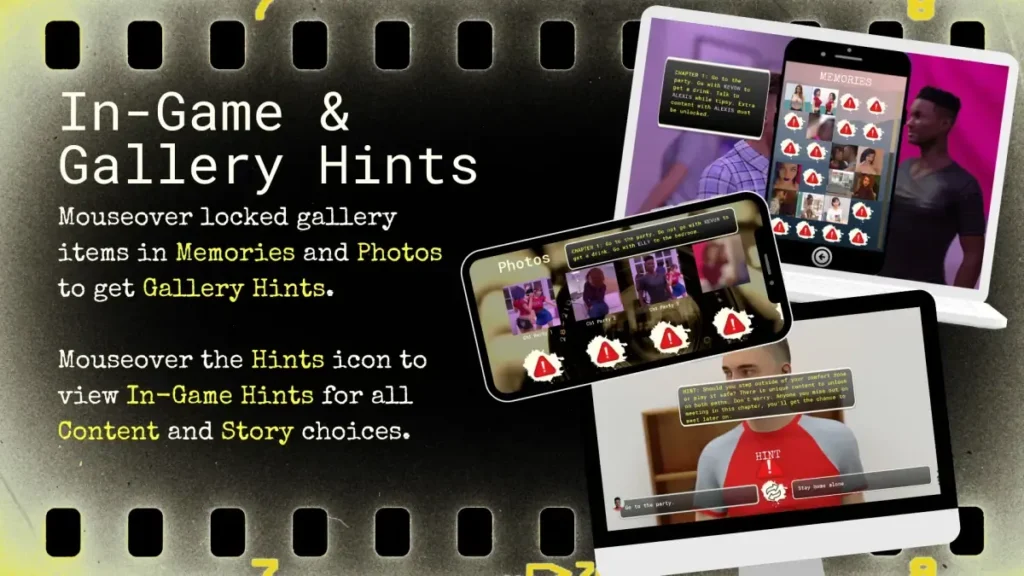
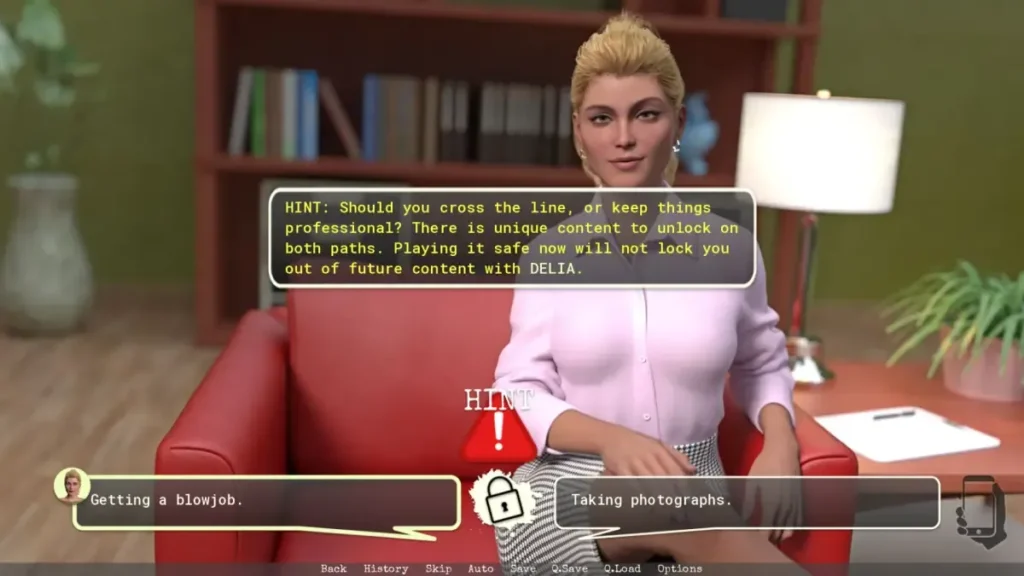
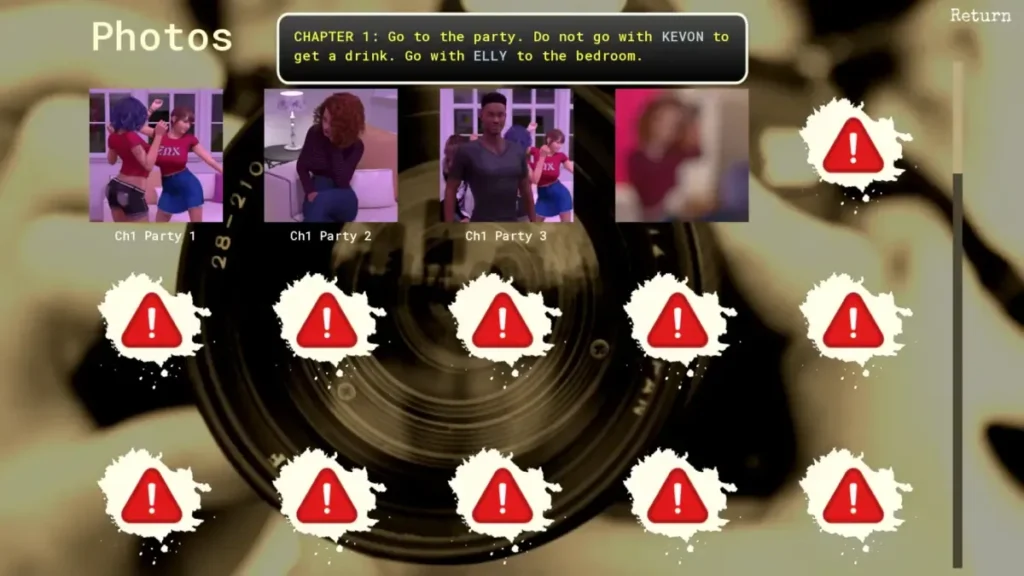
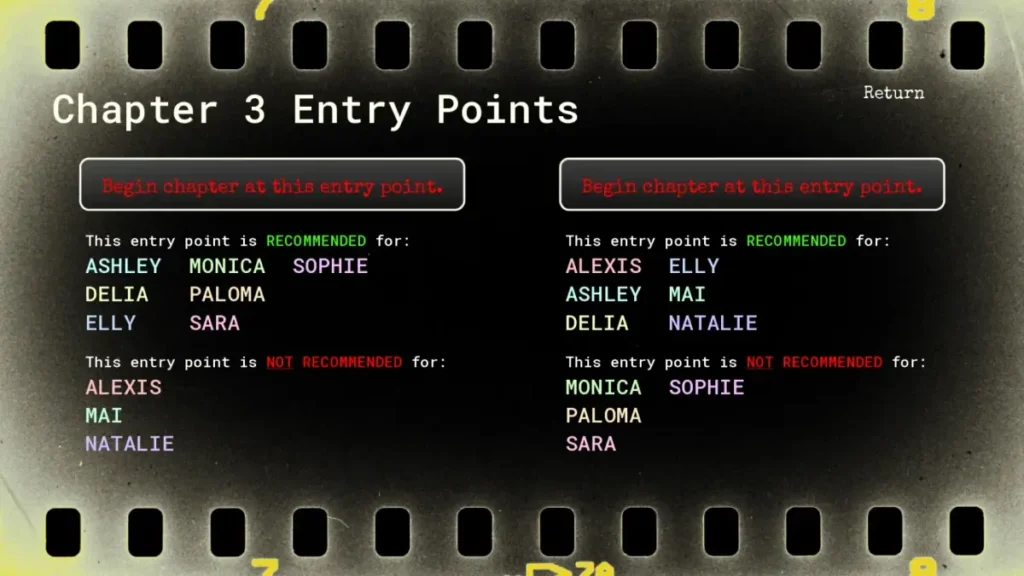
Onhold A Shot in the Dark review
Explore gameplay mechanics, character interactions, and achievement unlocks in this interactive adventure
A Shot in the Dark stands out as an interactive narrative-driven experience that combines choice-based storytelling with engaging character development. This game offers players multiple branching paths, meaningful decisions that impact relationships, and numerous achievements to unlock. Whether you’re new to the game or looking to maximize your playthrough, understanding the core mechanics, character interactions, and decision trees will enhance your overall experience. This guide explores the essential elements that make A Shot in the Dark a compelling interactive adventure.
Gameplay Mechanics and Core Features
Ever felt like your decisions in a game actually mattered? Like you weren’t just following a pre-written script, but genuinely authoring your own messy, thrilling, and uniquely personal story? That’s the electrifying promise of A Shot in the Dark gameplay mechanics. This isn’t just a game you play; it’s a narrative you build, one nerve-wracking choice at a time.
I remember my first run. I was sweating over a simple dialogue option—to trust a shady character with a secret or to play it safe. I chose trust, and let’s just say… it unlocked a chain of events (and an achievement called “Fool Me Once”) I never saw coming. That moment is the heart of this game. You’re handed the reins of a gripping interactive mystery, with over 36,000 words of content, 24 intricate scenes, and 28 smooth animations bringing your choices to vivid life. Let’s dive into the systems that make this possible. 🕵️♂️➡️
Understanding the Choice-Based System
At its core, A Shot in the Dark is a masterclass in interactive narrative branching. Forget linear storytelling. Here, every conversation is a crossroads, and every decision sends ripples through the entire plot. The gameplay mechanics are elegantly simple: you read, you think, you choose. But the complexity lies in how those choices weave together.
Think of the story not as a straight line, but as a sprawling, interconnected web. A seemingly minor choice in Scene 3—like picking up a forgotten lighter—might become the critical piece of evidence you need to confront a suspect in Scene 18. The game is constantly tracking your actions, creating a hidden profile of your playstyle. Are you a compassionate listener, a aggressive truth-seeker, or a cunning manipulator? The narrative bends to reflect this.
These choice-based game decisions are primarily delivered through its dialogue options and outcomes. You won’t find obvious “Good / Evil / Sarcastic” labels. Instead, you’re presented with nuanced responses that reflect different attitudes: Defensive, Curious, Flirtatious, Accusatory. This forces you to really inhabit your character. I learned the hard way that a flippant joke during a tense interrogation can completely shut down a character’s willingness to help you later.
Pro Tip: Don’t just think about what you want to say now. Ask yourself, “What kind of person do I want my protagonist to be, and what information or alliance might I need three scenes from now?” This forward-thinking is key to navigating the interactive narrative branching.
The beauty of this system is its commitment to consequence. There are no “game over” screens for “wrong” choices—only different, often more challenging, paths forward. Missing a clue might mean you have to bluff your way through a later confrontation. Alienating an ally could force you to find a riskier, solo solution to a problem. This makes every playthrough feel valid, personal, and deeply replayable. You’re not hunting for the “correct” path; you’re discovering your path.
Achievement Unlocking and Progression
If the choice-based narrative is the heart of the game, the achievement system is its fascinating brain, meticulously recording your unique journey. Unlocking achievements here isn’t about grind or skill checks; it’s about exploration, role-playing, and sometimes, delightful failure. This achievement unlocking guide will help you approach them as narrative milestones rather than simple checkboxes.
The achievements are cleverly woven into the fabric of the dialogue options and outcomes. They often reward specific character traits or consistent behavior. For instance, consistently choosing supportive, empathetic options with a particular character might net you the “Confidante” achievement, while a path of ruthless pragmatism could unlock “The Ends Justify.” Some are wonderfully obscure, triggered by a combination of items found and specific lines of dialogue chosen in a precise order.
To truly experience everything—all 28 animations, every hidden scene—you must embrace multiple playthroughs. My first A Shot in the Dark walkthrough was as a by-the-book investigator. My second, as a chaotic improviser, revealed whole locations and character backstories I never knew existed! The game actively encourages this with its “Scene Select” feature, allowing you to jump back to key decision points without replaying everything, making achievement hunting a rewarding puzzle.
Here’s a practical, step-by-step decision checklist to frame your approach for unlocking major achievements:
- First Playthrough: Go Blind. 🚫 Trust your instincts. Make choices that feel right for the character you want to be. This creates your authentic, spoiler-free baseline story.
- Second Playthrough: Be the Opposite. 🔄 If you were nice, be ruthless. If you were skeptical, be trusting. This will expose the widest interactive narrative branching and likely net you several contrast-based achievements.
- Third Playthrough: Follow a Meticulous A Shot in the Dark Walkthrough. 🗺️ Now, target specific achievements. Use a guide to find hidden objects, trigger rare dialogues, and explore the most obscure branches. This is where you clean up.
- Document Your Paths. 📝 Keep a small note of major choices and their immediate outcomes. This helps you map the branching paths and understand the cause-and-effect relationships crucial for tricky achievements.
- Listen and Observe. 👂 Some achievements are unlocked not by what you say, but by what you discover. Click on everything, exhaust all dialogue trees, and revisit scenes with new information.
Remember, the joy is in the discovery. Treat the achievement list as a tour guide to the game’s vast narrative possibilities, not just a completionist’s chore list.
Character Relationship Mechanics
The characters in A Shot in the Dark aren’t just set dressing; they are the living, breathing catalysts for the entire mystery. Your interactions with them form the game’s sophisticated character relationship system. This isn’t a simple “like/dislike” meter you can max out with gifts. It’s a dynamic, opaque web of trust, suspicion, affection, and fear that you influence with every word.
Each major character has their own hidden priorities, fears, and secrets. Your choice-based game decisions directly shape how they perceive you. Choose to believe a character’s alibi when evidence is thin, and their “Trust” variable ticks upward. This might later give you access to a private, information-rich conversation. Conversely, publicly doubting them might raise their “Suspicion” of you, closing off avenues of help and opening new, more hostile branches of dialogue.
The system excels at creating organic drama. For example, gaining the deep trust of Character A might inherently damage your standing with their rival, Character B. You can’t please everyone, and trying to often leads to a path where no one fully trusts you—which is, itself, a unique and challenging way to play! I once played a run where I was so evasive and neutral that by the final act, all the characters were subtly allied against me, creating a fantastically tense climax I hadn’t experienced before.
This character relationship system unlocks more than just different conversations. It gates entire scenes, plot revelations, and even alternative solutions to puzzles. A character who sees you as a friend might hand you a crucial key item freely. That same character, if suspicious of you, might force you to undertake a dangerous side-quest to earn it. The gameplay mechanics ensure that relationships are a currency more valuable than any inventory item.
To master this, you need to be a detective of people, not just clues. Listen to what they emphasize, notice who they defend or accuse, and tailor your approach. Sometimes, the best way to get close to someone is to agree with them. Other times, a well-placed challenge can earn their respect. It’s this rich, unpredictable human element that makes every conversation feel consequential and every relationship feel earned.
| Character Path | Key Decision Point (Scene Example) | Relationship Impact | Associated Achievement |
|---|---|---|---|
| The Confidante (Vega’s Path) | In Scene 7, choose to share a personal vulnerability instead of pressing for cold facts. | Significantly increases Vega’s “Trust.” Unlocks her private subplot in Act II. | “Shoulder to Lean On” |
| The Hardened Detective (Kai’s Path) | In Scene 12, reject Kai’s emotional appeal and insist on seeing the hard evidence. | Increases Kai’s “Respect” but decreases “Affinity.” Opens a more professional, clue-focused route. | “By the Book” |
| The Manipulator (Dual Path) | In Scene 15, promise help to both Vega and Kai, then pit their information against each other later. | Causes high, volatile “Suspicion” with both. Unlocks unique triangulation dialogue but risks a total breakdown. | “Playing Both Sides” |
| The Lone Wolf | Consistently refuse direct help and solve puzzles alone (e.g., Scene 5’s lockbox). | Keeps all relationships neutral/low. Forces self-reliance and unlocks alternate, often harder, puzzle solutions. | “I Work Alone” |
Ultimately, the genius of A Shot in the Dark is how these three pillars—choice-based game decisions, a nuanced character relationship system, and a rewarding achievement unlocking guide—interlock. Your decisions define your relationships, which open or close paths in the interactive narrative branching, which in turn leads you to discover new achievements. It’s a magnificent, self-reinforcing loop of storytelling.
Whether you’re following a meticulous A Shot in the Dark walkthrough or braving the darkness purely on instinct, remember that there is no single truth to uncover. There are only truths, each colored by the light of your choices. So, take a deep breath, embrace your role, and step into the branching narrative. Your unique story, with all its perfect imperfections, is waiting to be told. 🔦✨
A Shot in the Dark delivers a rich interactive experience through its sophisticated choice-based system, diverse character relationships, and extensive content library. By understanding the gameplay mechanics, mastering the decision trees, and strategically navigating character interactions, players can unlock the full potential of this narrative-driven adventure. The game’s 36,000 words of content, multiple scenes, and branching paths ensure that each playthrough offers unique discoveries and outcomes. Whether you’re pursuing specific achievements or exploring different relationship paths, the strategies outlined in this guide will help you maximize your enjoyment and uncover all the game has to offer. Take time to experiment with different dialogue choices, explore various character paths, and embrace the multiple ways the game rewards player agency and decision-making.