
Peasant’s Quest
Play Peasant’s Quest
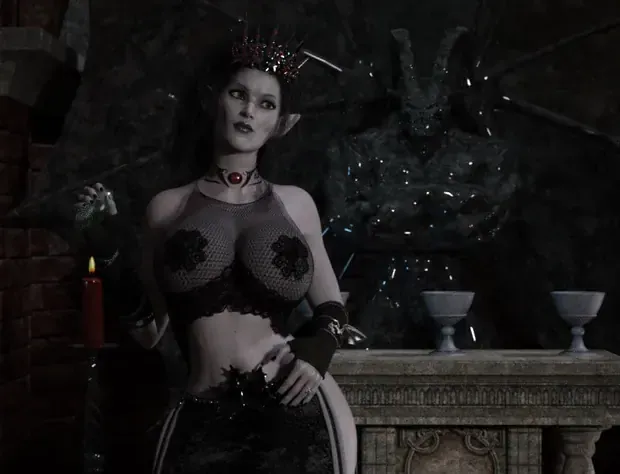
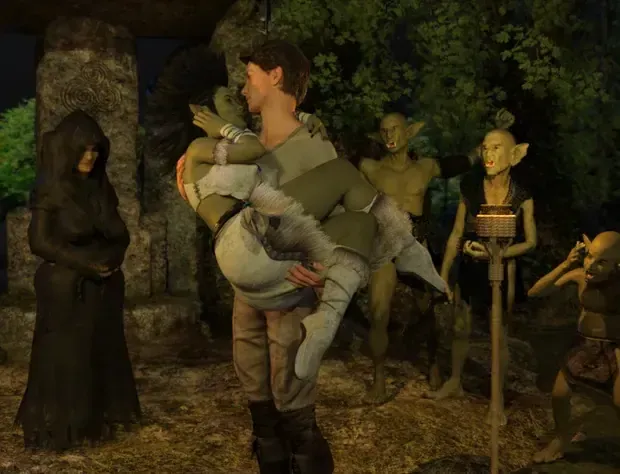
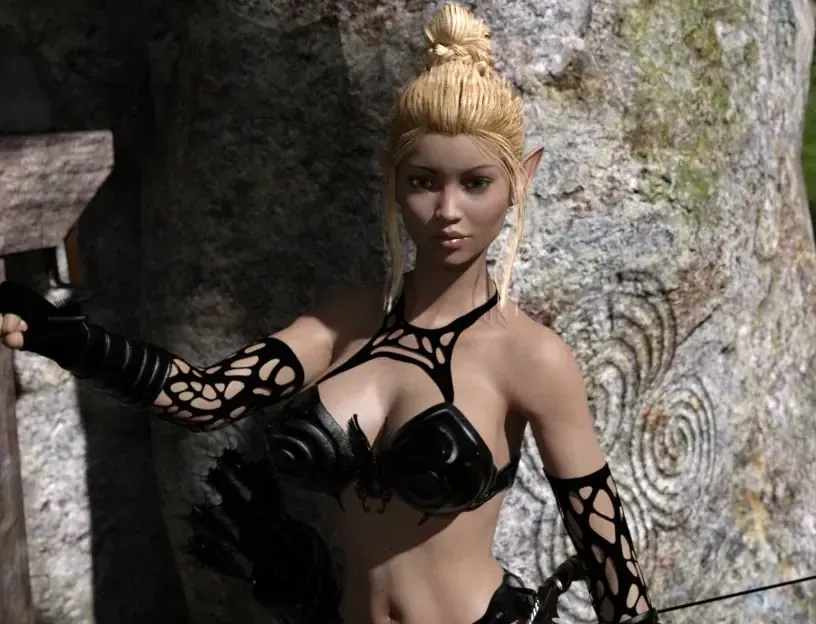
Peasant’s Quest Screenshots





Peasant’s Quest review
Master the medieval fantasy RPG with tips, strategies, and essential gameplay information
Peasant’s Quest is a medieval fantasy RPG that immerses players in an expansive world filled with adventure, character interactions, and strategic gameplay. Developed by Tinkerer, this game follows a young farm boy protagonist navigating a richly detailed fantasy realm. Whether you’re a newcomer curious about what the game offers or an experienced player looking to optimize your playthrough, this guide covers everything you need to know about Peasant’s Quest mechanics, progression systems, and essential strategies to enhance your gaming experience.
Understanding Peasant’s Quest: Game Overview and Core Mechanics
So, you’ve just left your village, a simple farm tool in hand and a head full of dreams bigger than the turnip field you’ve just escaped. 🧑🌾 The world map stretches before you, dotted with towns, forests, and who-knows-what lurking in the mountains. Your first battle—a confrontational squirrel, perhaps—awaits. You click ‘Fight,’ and suddenly you’re staring at a menu of options. What now? If this sounds familiar, welcome to the charming, challenging, and utterly engrossing world of Peasant’s Quest.
This medieval fantasy game begins with a classic premise made fresh: you are not the chosen heir to a ancient throne, but a young farmhand with a spark of wanderlust. Your journey from soil-tiller to hero forms the backbone of a deeply personal adventure. What makes this Peasant’s Quest RPG so special isn’t just its story, but how it weaves classic role-playing elements into a cohesive and satisfying experience. Let’s saddle up and break down everything you need to begin your legend.
### What Makes Peasant’s Quest a Unique RPG Experience?
At first glance, you might think you’ve played this before. A heroic journey, a dark threat, a party of unlikely allies. But Peasant’s Quest carves its own niche by mastering tone and commitment to its premise. I remember starting my first game, expecting grand speeches, only to have my character try to barter with a shopkeeper using a particularly large potato. 🥔 It was hilarious, heartfelt, and instantly established that this world, while filled with magic and danger, is grounded in a very relatable, humble perspective.
The fantasy adventure gameplay is built on a foundation of exploration and discovery. You’ll navigate vibrant, pixel-art landscapes that feel lived-in, from bustling medieval marketplaces to eerie, forgotten crypts. The writing shines, offering witty dialogue, memorable characters, and a narrative that makes you care about the fate of every village and hamlet. It’s a game that understands the soul of a great medieval fantasy game: it’s not just about saving the kingdom, it’s about the people you meet and help along the way.
This commitment extends to the RPGMaker game mechanics. While created with the accessible RPGMaker engine, the developers have stretched its capabilities to craft a world that feels bespoke. The engine’s classic top-down perspective and tile-based movement become invisible as you get lost in the adventure, a testament to thoughtful design and strong art direction. The flow from exploration to story cutscene to combat is seamless, making the entire experience incredibly immersive.
To get your bearings, here’s a quick look at the game’s foundation:
| Specification | Details |
|---|---|
| Developer | Tribute Games |
| Latest Version | 1.0 (Full Release) |
| Supported Platforms | PC (Windows/macOS) |
| Primary Language | English |
| Genre Tags | RPG, Medieval, Fantasy, Turn-Based, Adventure |
### Core Gameplay Mechanics and Combat System
This is where your journey truly takes shape. The core loop of Peasant’s Quest is a delicious blend of exploration, interaction, and strategic confrontation. At its heart is a turn-based combat system that is easy to learn but offers a satisfying depth for those who want to master it.
When you encounter an enemy on the field map, the game transitions to a battle screen. Here’s the golden rule I learned the hard way: do not button-mash. Success relies on understanding roles and exploiting weaknesses. Each party member has a unique set of commands: Attack, Defend, a selection of Skills or Spells, and Use Item. The turn order is displayed, allowing you to plan: “The enemy ogre is going next, so I should have my knight Defend to mitigate damage.”
The system encourages smart play. For example, some enemies are heavily armored but slow. Using a skill that inflicts “Slow” on them might push their turns back, allowing your faster rogue to get two attacks in before they can react. 🛡️⚔️ This turn-based combat system rewards patience and observation. Always scan enemy groups at the start of a fight—taking out the enemy healer or mage first can turn a brutal battle into a manageable one.
Pro Tip from a Veteran: Early on, your resources are scarce. Don’t use your most powerful MP-draining skills on every group of slimes. Use basic attacks and conserve your MP for tough fights or bosses. Buying mana potions is expensive when you’re still bartering with vegetables!
Outside of combat, the fantasy adventure gameplay revolves around exploration. You’ll find hidden paths, secret treasure chests tucked behind scenery, and NPCs with side quests that flesh out the world. Talk to everyone! Some of the game’s best loot and funniest moments come from helping villagers with their bizarre problems. This Peasant’s Quest RPG makes the world feel alive with possibility.
To summarize, here are the key features you’ll engage with:
* Strategic Turn-Based Battles: Plan your order, exploit elemental weaknesses, and manage your party’s Action Points (AP) and Magic Points (MP).
* Exploration-Driven Progression: Uncover new areas, find hidden secrets, and acquire key items to advance the story.
* Puzzle Solving: Dungeons often integrate environmental puzzles that break up combat and require you to think.
* Dynamic Quest Log: Keep track of multiple main and side objectives with clear instructions and hints.
* Interactive Environments: Many objects in the world can be examined or interacted with, often yielding useful items or lore.
### Character Progression and Development Systems
Watching your once-awkward farmhand grow into a formidable hero is the most rewarding part of the journey. The character progression RPG systems in Peasant’s Quest are robust, offering multiple paths to power and allowing you to tailor your party to your preferred playstyle.
The primary engine of growth is, of course, gaining Experience Points (EXP) from battles and quests. Upon leveling up, your core stats—Health (HP), Magic (MP), Attack, Defense, Magic Attack, Magic Defense, Agility, and Luck—will increase. This happens automatically, but the real customization comes from two key areas: Skill Learning and Equipment.
Each character has a unique skill tree or list. As they level up, they learn new abilities. Your knight might learn a “Provoke” skill to draw enemy attacks, while your mage unlocks a powerful “Chain Lightning” spell. You can’t learn everything in one playthrough, so you must choose which skills align with your strategy. Do you make your rogue a master of single-target damage or a versatile debuffer who cripples enemies? 🤔 These choices define your party’s identity in battle.
Equipment is equally vital. New swords, armor, and accessories aren’t just stat sticks. A new broadsword might dramatically increase Attack but lower Agility. A magical amulet might boost your MP pool but make you slightly more vulnerable to physical hits. I spent an embarrassing amount of time in shops, swapping equipment around to find the perfect balance for a tough dungeon ahead. This constant tweaking is a core part of the RPGMaker game mechanics that keeps gameplay engaging.
Beyond levels and gear, many side quests offer permanent stat boosts, unique skills, or special titles that provide passive bonuses. Completing a quest for a retired blacksmith might earn you a permanent +5 to Attack. These rewards make exploration and optional content feel incredibly valuable, directly strengthening your party. This layered approach to character progression RPG design means you are always working towards a tangible goal, making every play session feel productive.
Remember, a good Peasant’s Quest walkthrough guide can help you locate these hidden bonuses, but there’s a special joy in discovering them yourself as you immerse yourself in this medieval fantasy game.
As you venture forth from your humble beginnings, keep these core principles in mind: explore thoroughly, fight smart, and nurture your characters’ growth. Peasant’s Quest is more than a game—it’s a personal saga of rising from the dirt to face destiny. Your legend is waiting to be written. Now, go on. Your party, and a world of fantasy adventure gameplay, awaits your command. 🏹✨
Peasant’s Quest delivers a compelling medieval fantasy RPG experience that combines strategic turn-based combat with meaningful character progression and exploration. By understanding the core mechanics, implementing effective strategies, and optimizing your character development, you can fully immerse yourself in this adventure-rich world. Whether you’re drawn to the combat system, character interactions, or the expansive fantasy setting, this game offers substantial content for players seeking a classic RPG experience. Start your journey as a farm boy and discover the adventures awaiting you in this richly detailed medieval realm.