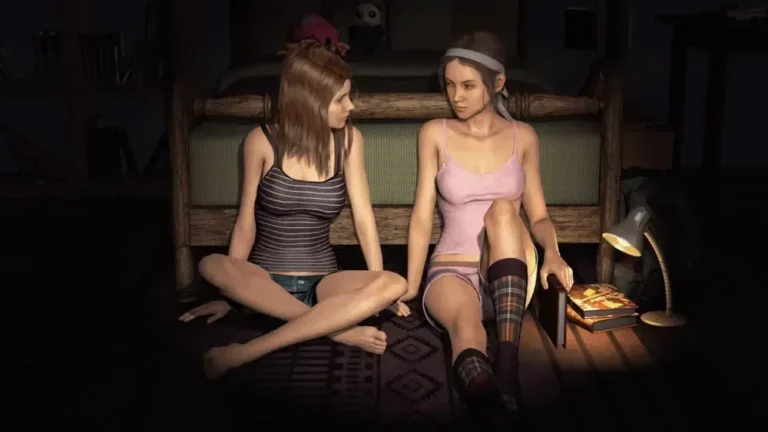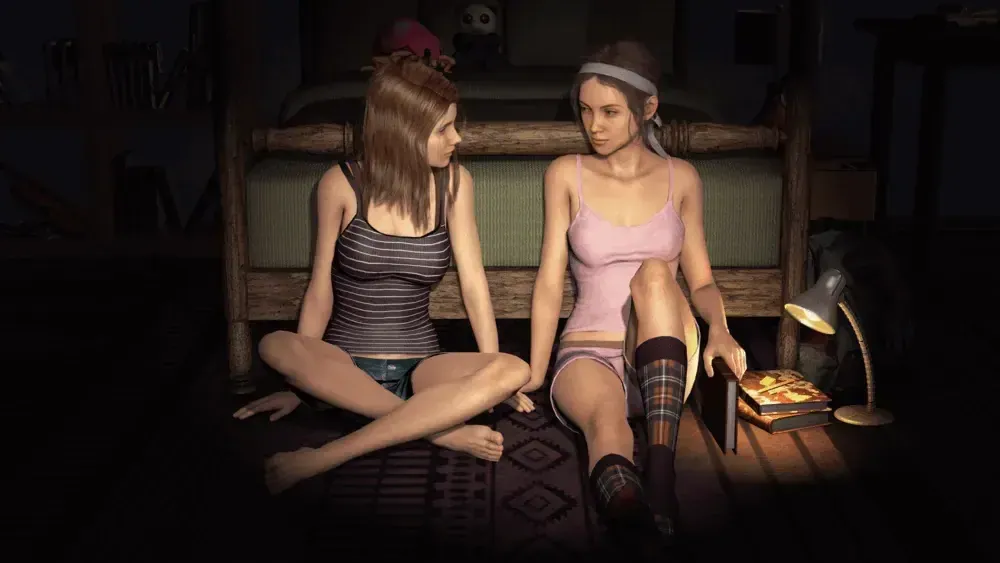
Short Sad Stories
Play Short Sad Stories
Short Sad Stories Screenshots


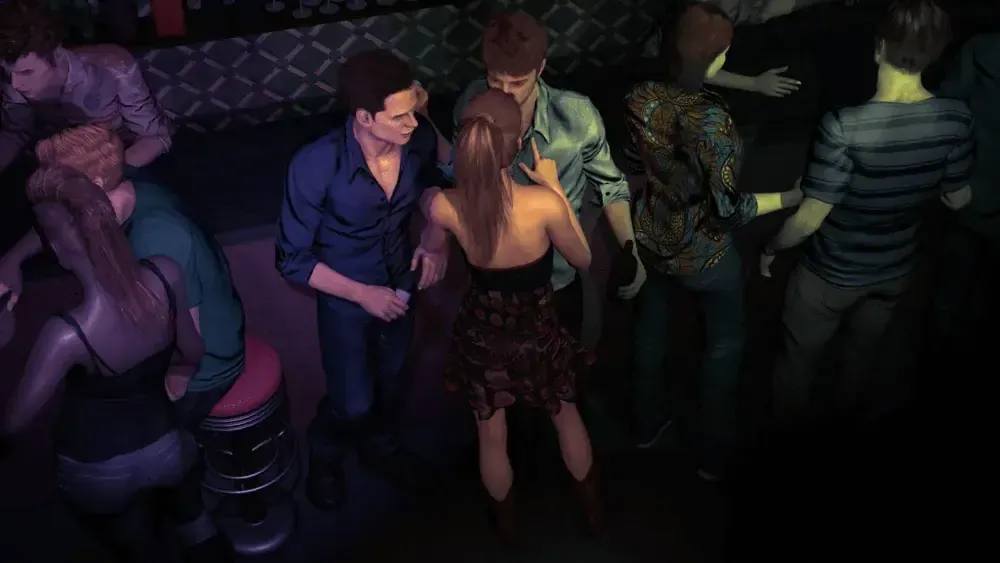
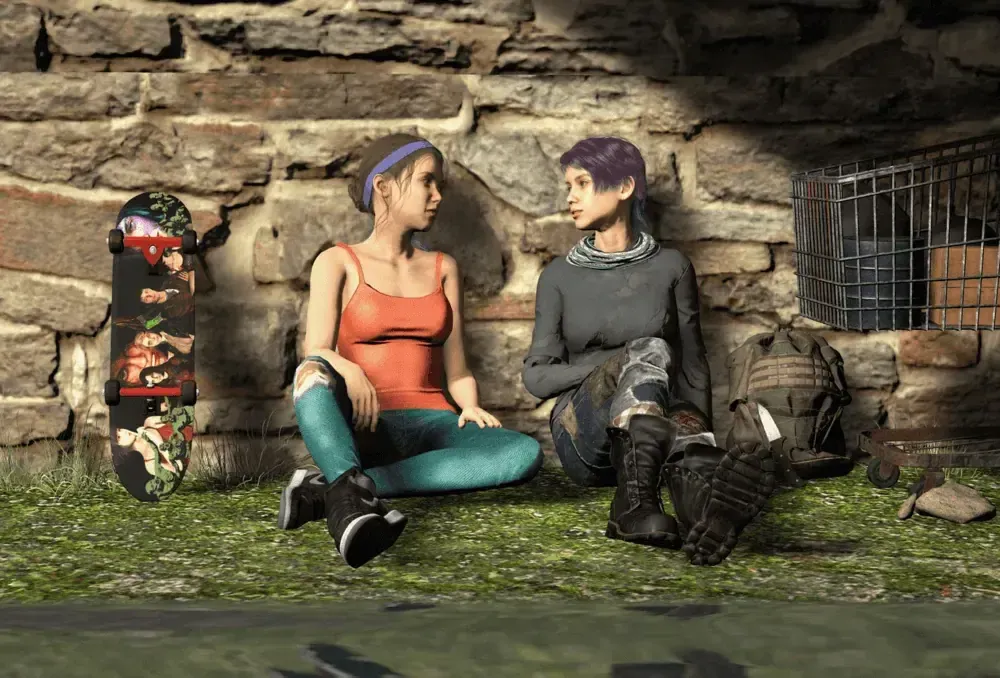
Short Sad Stories review
How branching narratives and emotional depth create compelling interactive experiences
Short Sad Stories stands out as a narrative-driven experience that prioritizes emotional depth and player choice. This game explores the intersection of interactive storytelling and human connection, where every decision carries weight and consequences. Unlike traditional games focused solely on mechanics, Short Sad Stories invites players into intimate moments of vulnerability, loss, and reflection. The game’s power lies in its ability to create meaningful emotional connections through carefully crafted narratives and branching storylines that respond to player choices. Whether you’re drawn to character-driven narratives or exploring themes of heartbreak and resilience, understanding what makes Short Sad Stories resonate with players reveals important insights about modern interactive entertainment.
The Narrative Architecture Behind Short Sad Stories
Let’s be honest—when a story makes you cry, you remember it. It carves a little space in your heart. Now, imagine if that story changed based on what you said or did. That’s the profound magic of Short Sad Stories. This isn’t just about reading a tale of woe; it’s about living inside one, where your fingerprints are left on every heartbreaking turn. 🫂
The game’s power doesn’t come from a single, linear plot, but from its intricate narrative architecture. It’s a delicate framework built to hold the weight of player emotion, using interactive storytelling mechanics to transform you from a spectator into a participant. This chapter pulls back the curtain on that architecture, exploring how every choice you make isn’t just a button press, but a brick in the path of a uniquely personal, emotional journey.
How branching story paths create emotional investment
Think of your favorite sad book or film. You’re swept along by the current of the plot, feeling for the characters but ultimately powerless. Short Sad Stories dismantles that powerlessness. Its core is a branching narrative game structure, which means the plot isn’t a straight line—it’s a sprawling, sensitive root system. Every dialogue choice, every silent decision to help or turn away, sends you down a different narrative branch. 🌳
This isn’t about “good” or “bad” endings. It’s about authentic emotional narrative design. The game maps out emotional territories—grief, regret, bittersweet hope, quiet despair—and your choices determine which landscape you’ll traverse. Because you actively navigate these paths, your emotional investment skyrockets. You’re not just witnessing a character’s sadness; you’re implicated in its cause or its alleviation. That sting of regret when a conversation goes south? That’s yours. That glimmer of connection when you say the right thing? You earned that, too.
The genius lies in how these branches are hidden. You don’t see a flowchart while playing. You simply feel the story gently pivot, relationships subtly shift, and future possibilities narrow or expand based on a moment of compassion or indifference. This creates a powerful sense of ownership. Your story with the lonely lighthouse keeper is different from mine, because your patience (or lack thereof) determined how much of his past he revealed.
To see this in action, let’s look at how a single story thread can diverge. The table below outlines different paths in one of the game’s vignettes, “The Last Train North,” showcasing how early decisions cascade into entirely different emotional experiences.
| Story Path Name | Key Decision Point | Resulting Emotional Outcome |
|---|---|---|
| The Unspoken Goodbye | Choosing to change the subject when a character mentions their lost sibling. | A path defined by quiet regret and missed connections, ending with a melancholy, solitary resolution. |
| Shared Burdens | Asking a follow-up question about the sibling, then offering to help with a related task. | A narrative of cathartic grief and forged bonds, leading to a bittersweet but hopeful ending where burdens are lightened. |
| Fractured Reflections | Pushing aggressively for details about the loss, dismissing the character’s initial reluctance. | A route of confrontation and damaged trust, culminating in a sharp, lonely ending filled with unresolved tension. |
This structure is what makes the multiple endings game design so effective. Replaying isn’t about finding a “true” ending; it’s about understanding the multifaceted nature of the characters and their pain. Each path reveals a new truth, a new shade of their sadness, making the overall experience profoundly richer and more human. 👥
Character development and relationship-building mechanics
In many games, characters are tools to drive a plot forward. In Short Sad Stories, the plot exists to reveal the characters. This is the heart of character-driven narrative games. You don’t build a weapon or a skill tree; you build trust, understanding, and rapport. The game’s primary mechanics are all in service of relationship building in games.
How does it work? Let me give you a personal example. In one story, you meet Elara, a gardener who speaks more to her plants than to people. The game doesn’t give you a “relationship meter” with a filling heart. Instead, it uses subtler, more powerful tools:
* Dialogue Depth: Initial conversations are surface-level. Choosing empathetic or persistently kind options slowly unlocks deeper, more vulnerable layers of dialogue. It feels less like choosing a response and more like carefully turning a key.
* Action-Based Affinity: Sometimes, the most powerful choice is not saying anything. Staying silently with a character as they stare at the ocean, or choosing to help them with a mundane chore without being asked, can have a greater impact than any pre-written line of dialogue.
* Memory and Acknowledgment: Characters remember your past actions and subtle attitudes. A gentle comment you made hours of playtime earlier might be referenced softly, making the world feel continuous and your influence tangible.
This approach to interactive storytelling mechanics means character development is co-authored. Elara doesn’t magically open up because the plot demands it. She opens up because you, the player, demonstrated through consistent actions that you were a safe person to confide in. When she finally shared the memory of why she plants only white flowers, I didn’t feel like I’d unlocked a story beat; I felt like I’d been given a fragile gift. That’s a connection no cutscene can manufacture. 💎
The game brilliantly ties this relationship progress directly to narrative access. The stronger your bond, the more story branches become available to you. You might learn a crucial piece of backstory that explains a character’s fear, which then allows you to choose a dialogue option that addresses that specific fear, leading to a unique resolution. Your investment in the person directly fuels the trajectory of the plot.
The role of player choice in shaping narrative outcomes
This is where the architectural blueprint meets the lived-in home. The player choice consequences in Short Sad Stories are the engine of its emotional resonance. Choices are rarely grandiose “save the kingdom” moments. They are human, often agonizingly simple: Do I press for the truth, or let a lie stand for the sake of peace? Do I offer practical help, or just emotional space?
These moments carry weight because the game has meticulously built a context where they matter. Let’s walk through a specific, pivotal example from the story “The Clockmaker’s Silence.”
You’ve spent time with Aris, a reclusive clockmaker who is repairing a beloved but broken music box. His hands tremble, slowing the work. Through conversation, you can learn this is due to a old injury. Near the story’s climax, a frantic neighbor arrives, pleading for Aris to quickly fix a simple clock critical for their morning routine. Aris looks exhausted, and the music box is nearly complete.
The Choice:
* Option A: “You should rest. I’ll tell the neighbor you can’t do it.”
* Option B: “The neighbor needs help. Can you manage one more fix?”
* Option C: (Only available if you learned about his injury) “Your hands are hurting. Let me try to explain to the neighbor what happened.”
The Cascading Consequences:
* Choosing A protects Aris’s well-being in the moment. He finishes the music box, and the ending is one of quiet, personal accomplishment. However, you later hear the neighbor failed an important appointment. The emotional outcome is insulated, private beauty tinged with indirect guilt.
* Choosing B pushes Aris into a act of community service. He fixes the clock but, in his fatigue, makes a small error on the music box. It plays, but the tune is slightly off-key forever. The emotional outcome is one of sacrifice and imperfection—helping the wider world at a cost to a personal dream.
* Choosing C uses your built-up knowledge and empathy. You advocate for Aris, explaining his situation to the neighbor. This forges a deeper understanding between all three characters. The neighbor finds another solution, and Aris completes his masterpiece perfectly. The emotional outcome is one of communal support and flawless, heartfelt achievement.
See how that works? 🧩 The consequence isn’t just “good/bad.” It’s a thematic and emotional ripple effect that touches the character’s arc, your relationship with him, and the game’s world. This is the essence of meaningful player choice consequences. The game respects your agency by ensuring every decision has a narrative and emotional echo, making you constantly weigh what kind of emotional experience you want to steer toward.
This intricate web of choices is what defines its multiple endings game design. The ending isn’t a final switch flipped in the last scene; it’s the cumulative result of every micro-interaction, every moment of patience or impulsivity. It tells you, “This sadness, this glimmer of hope—this is the story you built.”
Ultimately, the narrative architecture of Short Sad Stories proves that the most powerful stories are not just told; they are grown. Through its sensitive branching narrative game design and profound emotional narrative design, it hands you the seeds—fragile characters, uncertain situations—and lets you decide what kind of emotional landscape you will cultivate. You walk away not just moved, but responsible for the movement, carrying the unique weight of the story you chose to live. That is the uncompromising power of interactive sorrow, and it’s what makes this experience not just a game, but a resonant, personal journey. 🌱
Short Sad Stories represents a thoughtful approach to interactive entertainment that prioritizes emotional authenticity and player agency. Through its carefully constructed branching narratives, the game demonstrates how meaningful choices can deepen player investment in character journeys and story outcomes. The game’s exploration of vulnerable themes and relatable scenarios creates a unique emotional landscape that resonates long after the credits roll. What makes Short Sad Stories particularly compelling is its recognition that sadness and meaningful storytelling aren’t obstacles to engagement—they’re pathways to deeper connection. The game’s high replayability ensures that each playthrough offers new discoveries and emotional insights, inviting players to explore the full spectrum of human experience through interactive narrative. For players seeking games that challenge them emotionally and reward thoughtful decision-making, Short Sad Stories stands as a testament to the power of interactive storytelling to create lasting impact.