Sorcerer
Play Sorcerer
Sorcerer Screenshots
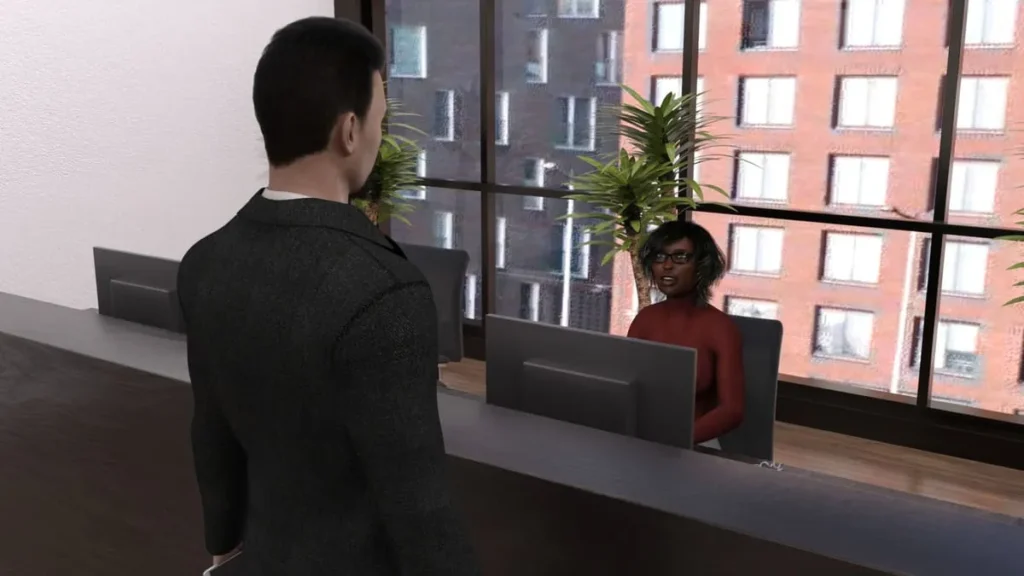
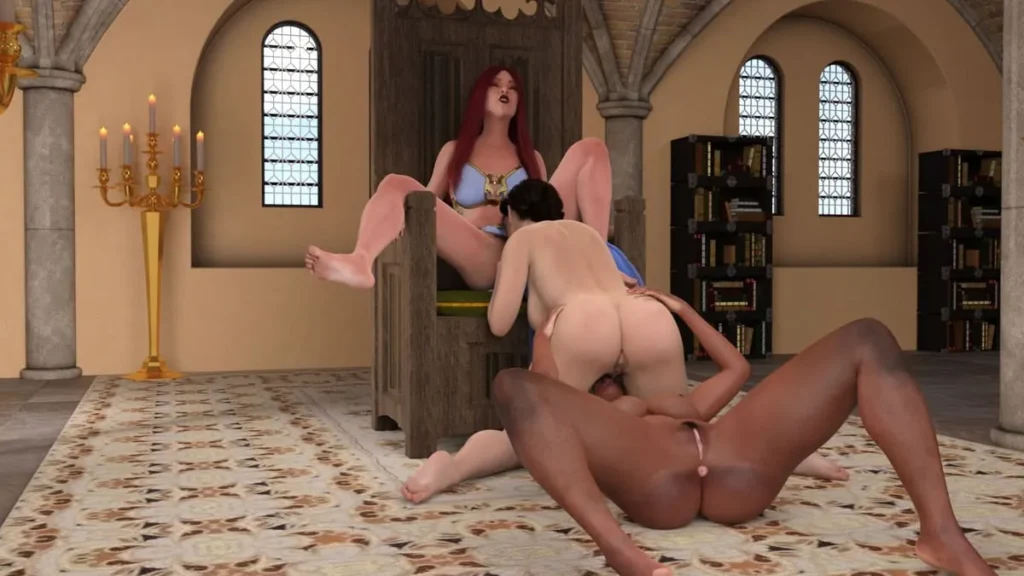
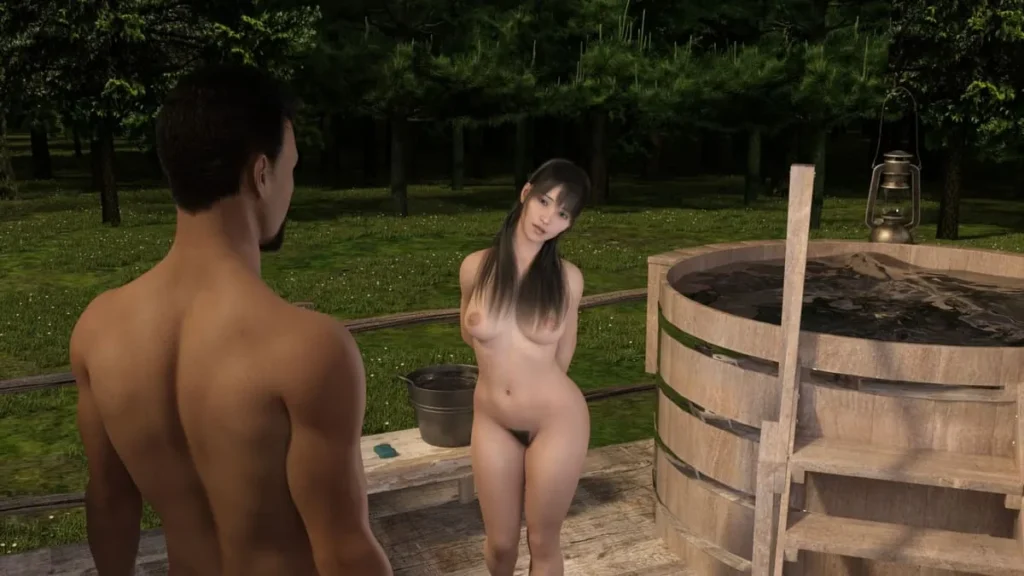

Sorcerer review
Explore the branching narratives, character romance options, and gameplay mechanics in this fantasy visual novel
Sorcerer is a narrative-driven fantasy visual novel that places players at the center of a compelling story where every choice matters. Developed by Talothral and released in 2022, this game combines immersive storytelling with meaningful decision-making, offering players the chance to shape their character’s destiny through two fundamentally different paths. Whether you’re drawn to tales of redemption and gentle romance or prefer darker, more intense narratives, Sorcerer delivers distinct experiences that cater to different player preferences. This comprehensive guide explores the game’s core mechanics, character routes, and what makes this title stand out in the visual novel genre.
Understanding Sorcerer’s Core Gameplay Mechanics
Ever started a game thinking you knew exactly who you were, only to have a single, seemingly simple question completely unravel your plans? 😅 That’s the exhilarating first step into Sorcerer. You’re not just picking a class or a weapon; you’re defining the very essence of your soul. The game begins by asking you to choose between the Light and Dark paths, and this isn’t some superficial morality meter. This monumental decision is the cornerstone of every Sorcerer game mechanic, shaping your story, your relationships, and your power in profoundly different ways.
I remember my first playthrough. I went in blind, convinced I’d be a beacon of heroic virtue. But when the game presented that initial choice, framed not as “good vs. evil” but as “order vs. freedom,” “protection vs. ambition,” I paused. It made me think about my own motivations in a way few games do. That’s the magic of Sorcerer: it understands that true player agency in games starts with a meaningful dilemma, not a checkbox.
This guide will dive deep into the heart of Sorcerer, breaking down how its systems of choice, character, and narrative weave together to create a truly personalized fantasy experience. Whether you’re a visual novel veteran or new to branching narrative choices, understanding these Sorcerer game mechanics is your key to unlocking every secret this world holds.
The Monumental Choice: Light vs. Darkness
Forget everything you know about simple alignment systems. In Sorcerer, the path of Light or Darkness is less about being a saint or a villain and more about your core philosophy and the source of your magical power. 🕯️⚫
Choosing the Light means embracing structure, protection, and communal harmony. Your magic is drawn from stability, ancient pacts, and the well-being of others. It’s a path of responsibility, where power is a tool for safeguarding the realm. The Light and Dark paths here are beautifully nuanced; a Light-aligned character might make ruthlessly pragmatic choices for the “greater good” that feel surprisingly harsh.
Conversely, the path of Darkness is about personal ambition, embracing chaotic potential, and breaking free from limitations. Your power comes from within, from emotion, ambition, and a willingness to challenge the status quo. This doesn’t automatically make you a monster—it can make you a revolutionary, an artist of magic, or someone who believes true strength comes from unfettered will.
This initial choice acts as a narrative filter. It determines:
* Which companion characters are immediately drawn to you or wary of you.
* The availability and nature of romance options—some characters resonate deeply with one philosophy over the other.
* Unique story scenes and plot branches that are only accessible on your chosen path.
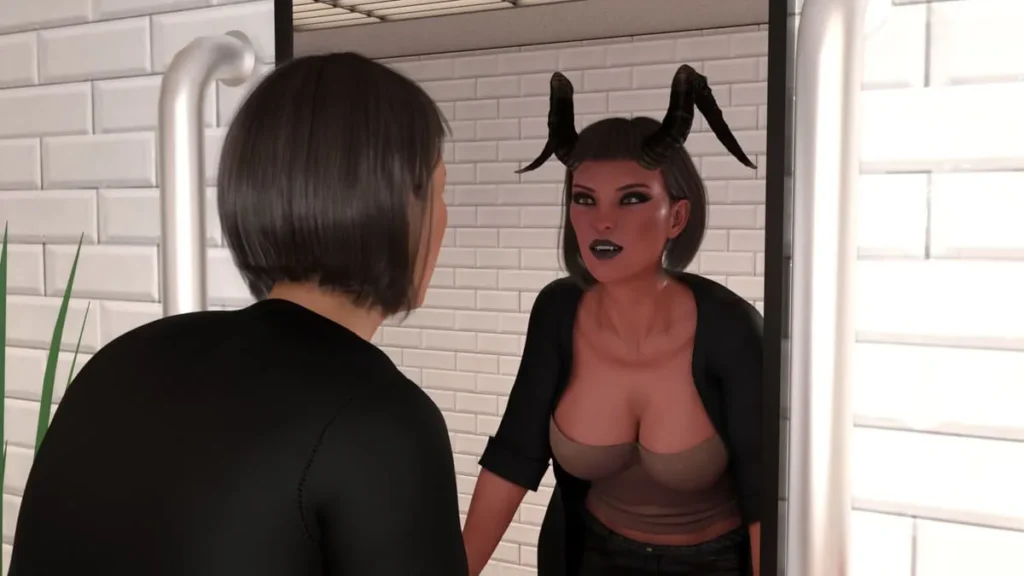
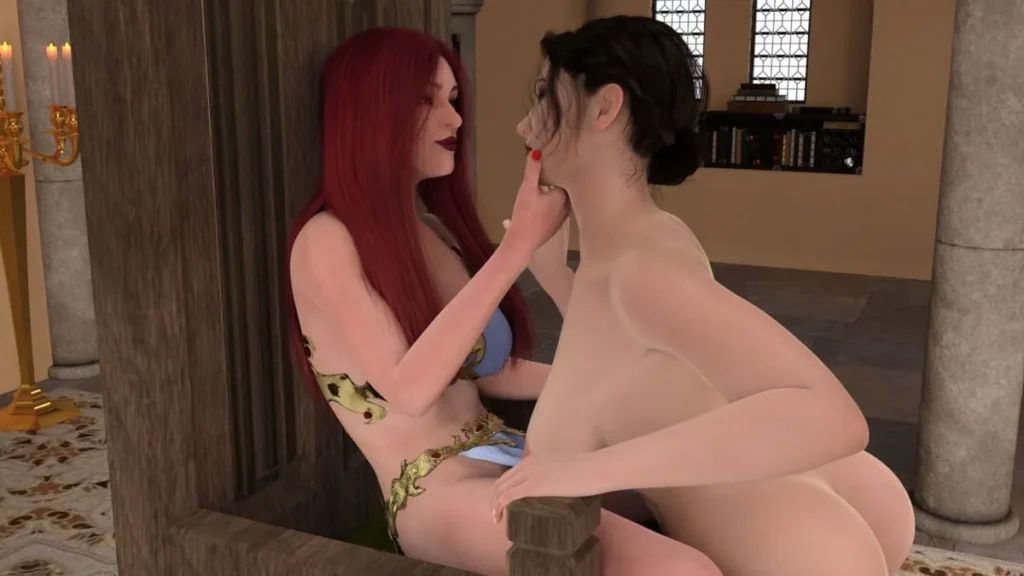
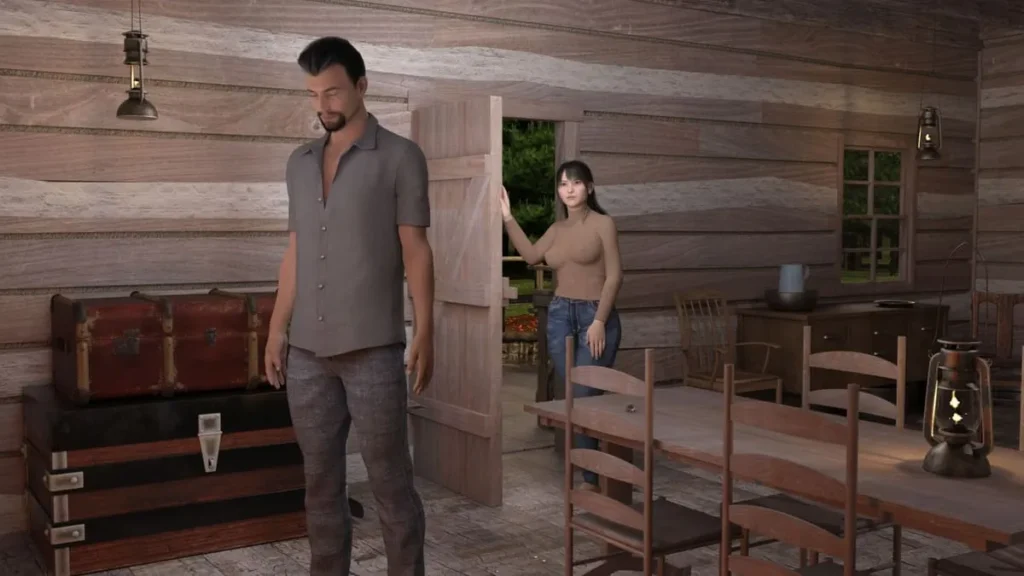
* The visual tone of your game, reflected in subtle differences in the game’s stunning 3D CG renders (all 1,237 of them in the complete edition!).
To show you just how deep this split goes, let’s break it down:
| Aspect | The Path of Light | The Path of Darkness |
|---|---|---|
| Core Theme | Order, Sacrifice, Guardianship | Freedom, Ambition, Transformation |
| Magic Source | External covenants, ancestral pacts, collective will | Internal emotion, personal desire, raw potential |
| Romance Style | Built on trust, slow-burn commitment, shared duty | Intense passion, challenging dynamics, mutual empowerment |
| Primary Challenge | Upholding ideals in a complex, morally gray world | Controlling your power without being consumed by it |
| Ending Spectrum | From triumphant unity to tragic sacrifice for the realm | From unchallenged mastery to glorious, isolated power |
The genius of this system is that it’s not static. While your core alignment sets the stage, the character decision system throughout the game allows you to occasionally make choices that defy your path. These moments are crucial. A Light character might secretly indulge a dark impulse, creating internal conflict and possibly unlocking a unique hybrid scene. A Dark character might perform a genuinely selfless act, surprising everyone, including themselves. This flexibility prevents the narrative from feeling like a railroad and makes your protagonist feel truly alive. 🔄
Character Development and Progression
In many RPGs, “progression” means watching numbers go up. In Sorcerer, progression is measured in emotional depth, shifting loyalties, and the consequences of your words. Your protagonist grows not through experience points, but through the relationships they forge and the philosophical stances they take.
The Sorcerer game routes are essentially character-centric journeys. Your pivotal choices—how you handle a conflict between party members, which secrets you pursue, who you comfort in a moment of weakness—directly funnel you toward different narrative and romantic conclusions. Think of it like cultivating a garden: every conversation is a seed, and your attention is the water. The characters you choose to engage with will flourish, revealing deep backstories and personal quests that are entirely missable on a different playthrough.
The game’s development history shows a clear commitment to this depth. From its initial release through major version updates (like the expansive 1.0.0 update), the team has consistently added more layers to these interactions, more renders to flesh out key moments, and more branching narrative choices to ensure no two journeys feel identical. This evolution means the game you play today is a richly woven tapestry of cause and effect.
Here’s a piece of practical, actionable advice from my many, many hours of play: Talk to everyone, and talk to them often. 🗣️
* After every major story beat, revisit your companions. Their dialogues update.
* Pay attention to the how, not just the what. Sometimes, choosing a gentle tone over a harsh truth can open up an entirely new conversation branch later.
* Don’t reload immediately after a “bad” choice. Some of the most memorable and character-defining moments in Sorcerer come from dealing with the unintended fallout of a decision. It makes the story feel real and weighted.
Your progression is also mirrored in the game’s visual presentation. The 3D CG renders aren’t just static images; they are the emotional punctuation marks of the story. A subtle change in a character’s expression, a shift in the lighting to match a somber mood, or a breathtaking magical effect during a pivotal moment—these are how the game “levels up” your experience. The fact that this is accessible across Windows, Mac, Linux, and Android means you can cultivate these relationships anywhere, making it incredibly easy to get lost in this world.
Visual Novel Structure and Player Agency
At its heart, Sorcerer is a visual novel, but it masterfully elevates the format. The visual novel gameplay is your interface with the story, a stream of narrative, dialogue, and beautiful artwork punctuated by moments of critical choice. This is where player agency in games moves from theory to practice.
The choice system often feels less like a quiz and more like genuine roleplay. You won’t see blatant “+1 Light Point” notifications. Instead, you’ll be faced with dilemmas like:
“An old enemy, defeated and humiliated, begs for mercy to save their family. Your allies demand permanent justice. What do you do?”
The options presented will feel true to the moment, not like labeled forks in a road. You might choose to show mercy, which could align with a Light philosophy of compassion, but it might also be the Dark choice if your motive is to cultivate a future debt or demonstrate your absolute power over their fate. The game understands intent, and its branching narrative choices are designed to capture that nuance.
This creates a fantastically replayable structure. Your first run is about discovery and instinct. Your second is about curiosity: “What if I said that instead?” Because the Sorcerer game routes are so distinct, a second playthrough on the opposite Light or Dark path can feel like a completely different story, with new allies, antagonists, and romantic possibilities. I’ve played through four times, and I’m still finding scenes I’ve never seen before. ✨
The true testament to its design is that your choices create meaningful consequences. A disagreement in Act 1 can determine who will stand by your side in the final confrontation in Act 3. A kindness shown to a minor character might bring you a crucial piece of information hours later. The game remembers, and it weaves your past actions into the fabric of the ongoing plot. This makes every decision feel significant, investing you deeply in the outcome of your Sorcerer game mechanics.
In the end, Sorcerer is more than a game—it’s a playground for persona and consequence. It asks you, “Who do you want to be in this world of magic and turmoil?” and then gives you the tools, the beautiful canvas of its visual novel gameplay, and the profound branching narrative choices to answer that question in a uniquely personal way. Your agency is the most powerful magic of all.
Sorcerer stands out as a thoughtfully crafted visual novel that respects player agency and delivers genuinely different experiences based on fundamental choices. The game’s strength lies not in superficial alignment systems but in how the Light and Dark paths create entirely distinct narratives, character relationships, and thematic explorations. Whether you’re drawn to Flow’s path of redemption and gentle love or Lobelia’s intense, passionate embrace, Sorcerer offers meaningful storytelling that resonates with players seeking narrative depth. With its impressive visual presentation, multiple endings, and cross-platform availability, the game provides an engaging experience for those interested in character-driven fantasy narratives. For players who value choice-driven storytelling and want their decisions to genuinely matter, Sorcerer delivers a compelling adventure that justifies multiple playthroughs to experience both paths fully.