
The Sin Within
Play The Sin Within
The Sin Within Screenshots
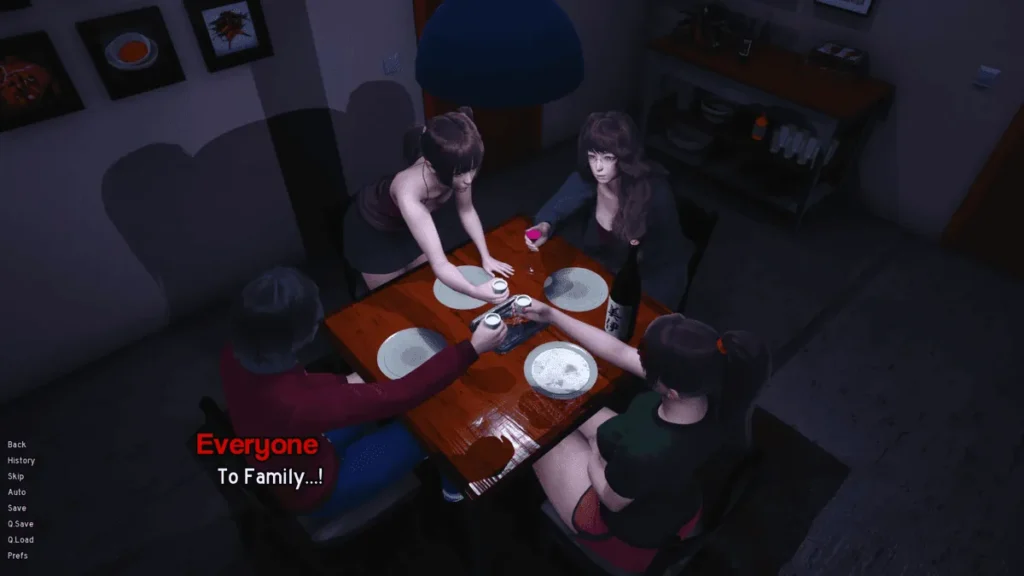
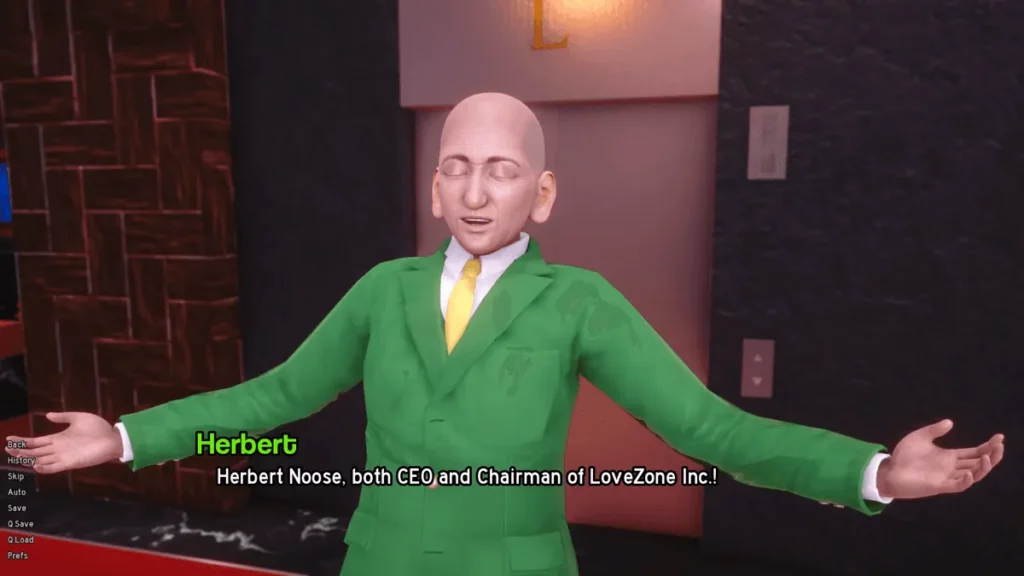
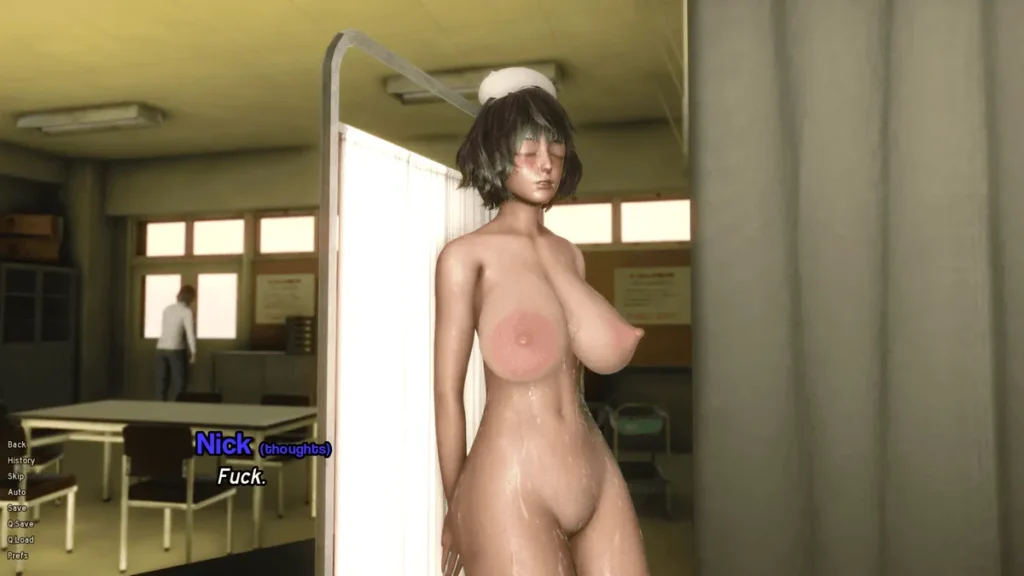
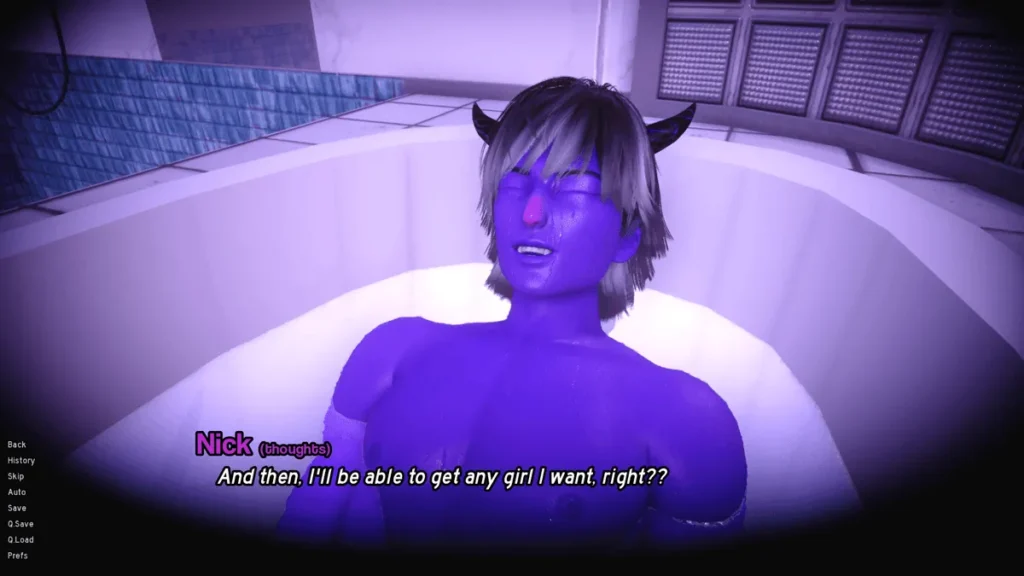
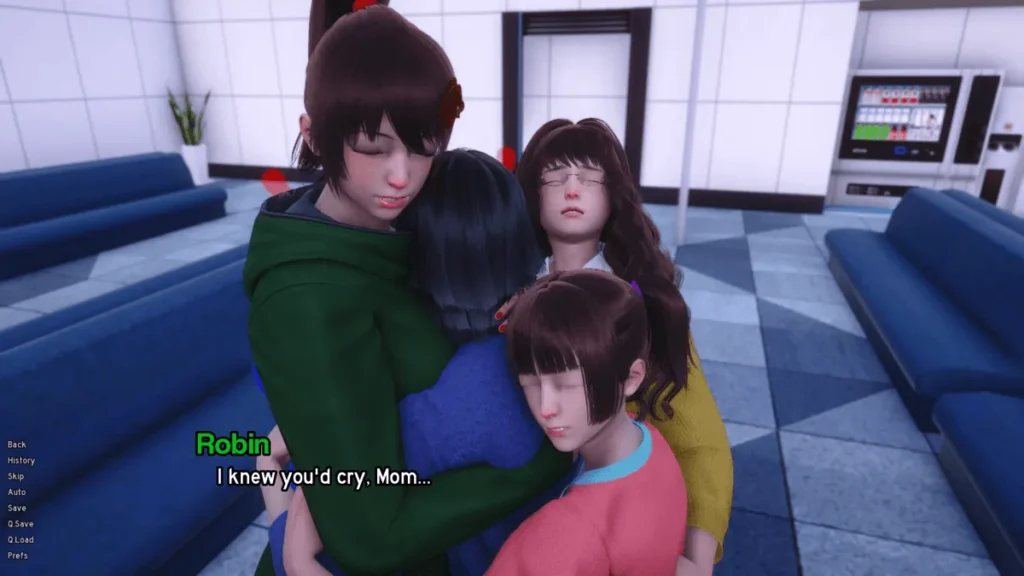
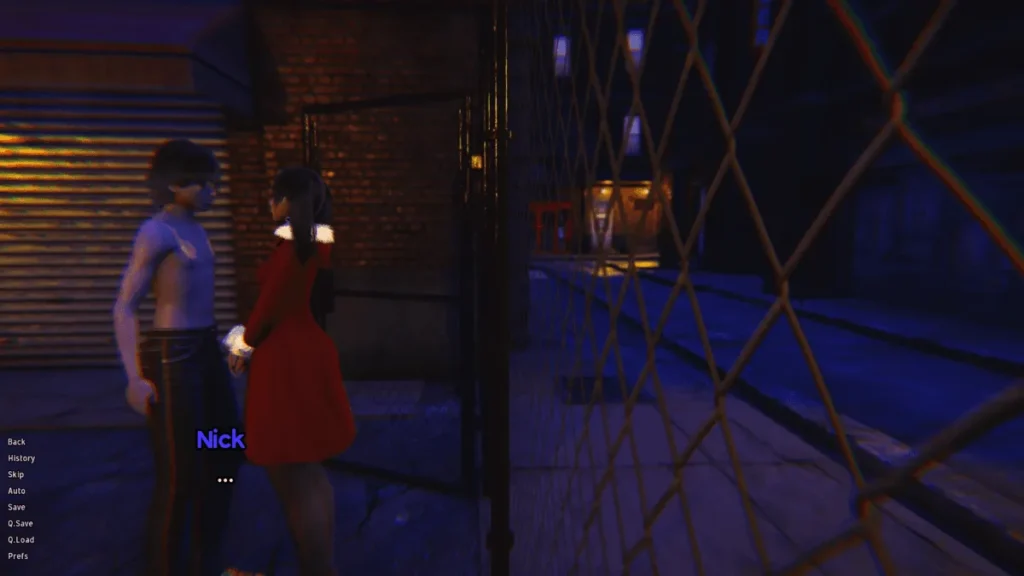
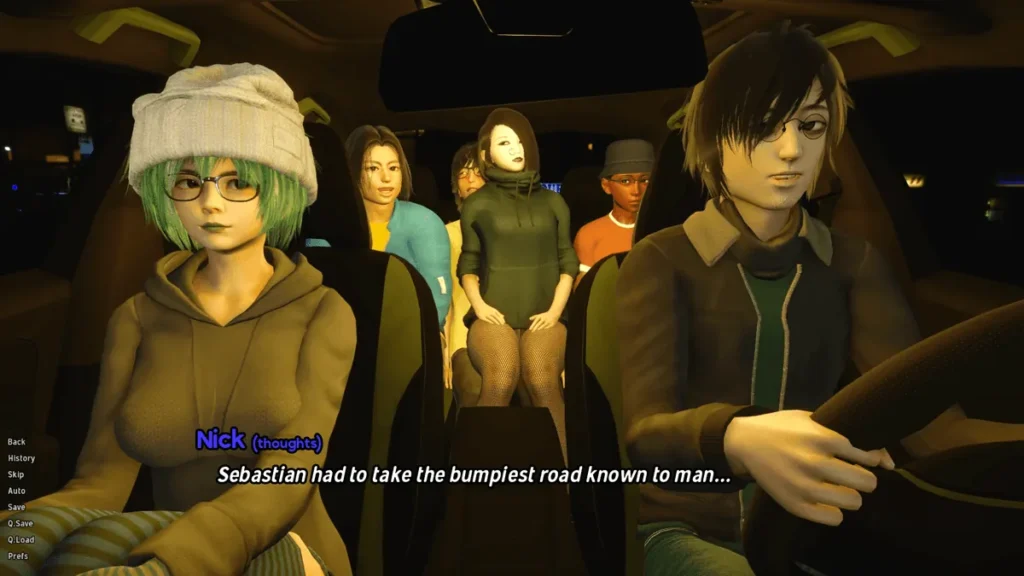
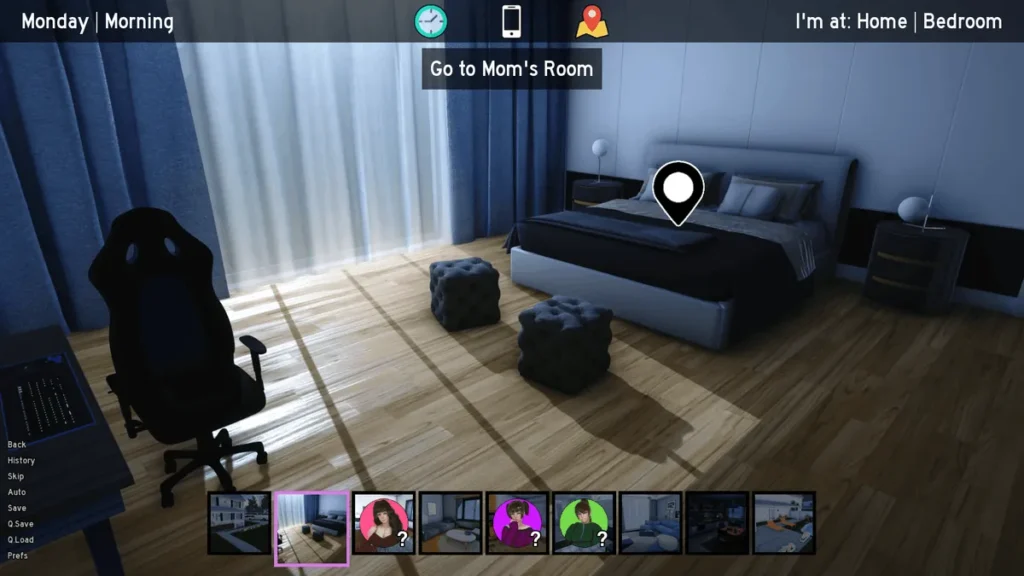
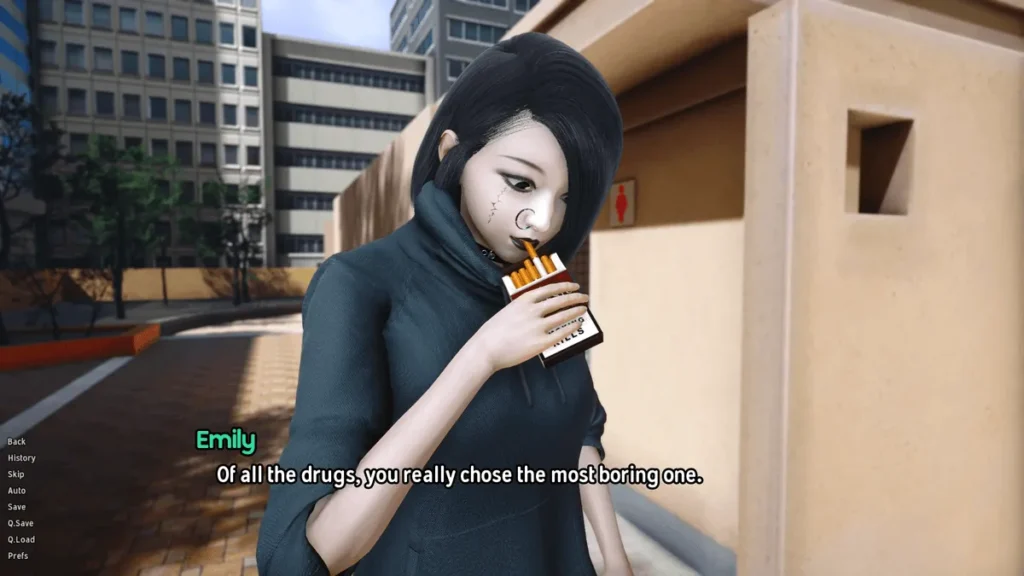
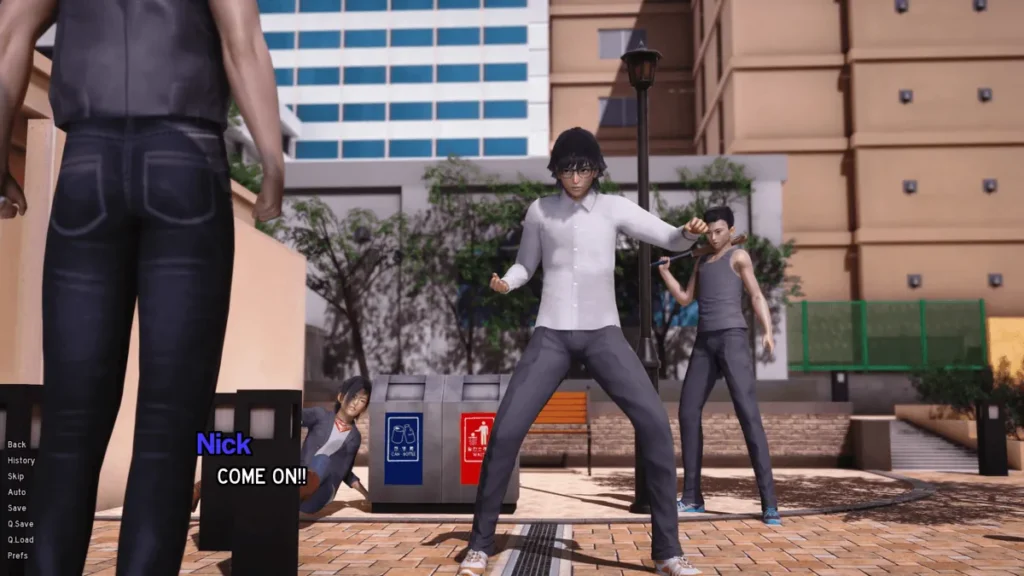

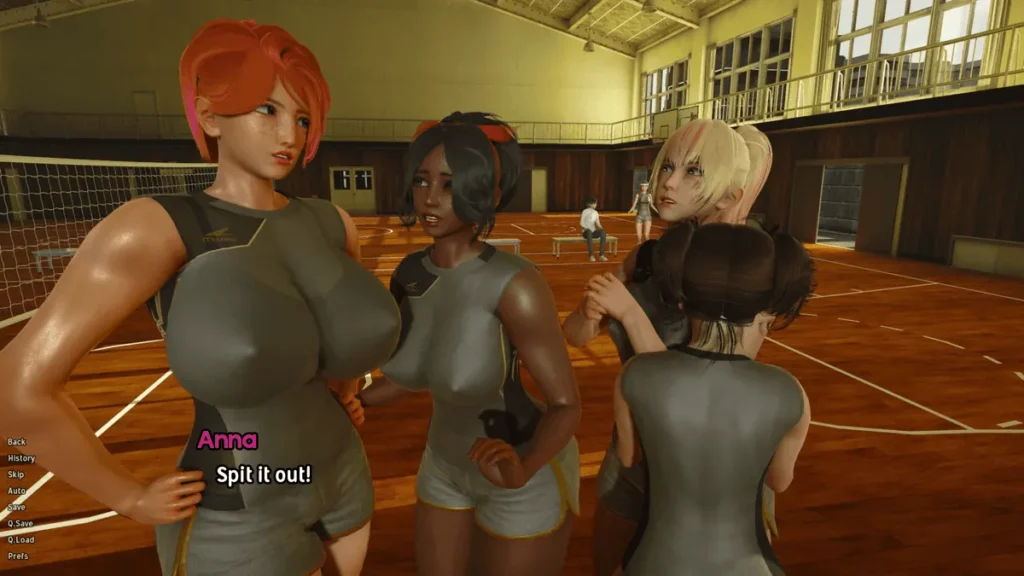
The Sin Within review
Exploring narrative choices, trauma mechanics, and branching storytelling in this indie psychological thriller
The Sin Within stands out as a narrative-driven psychological horror experience that challenges players to confront repressed trauma through interactive storytelling. This indie title merges adult themes with meaningful gameplay mechanics, creating an emotionally intense journey that spans 8-10 hours. Rather than relying solely on jump scares, the game builds horror through player decisions and psychological manifestations of internal conflict. If you’re curious about what makes this game unique in the horror genre and how your choices shape the narrative, this guide explores every aspect of The Sin Within’s compelling design and emotional depth.
Understanding The Sin Within: Story, Setting, and Core Premise
You know that feeling when you walk into a place from your past, and the air itself seems to hold onto old arguments, silent laughter, and forgotten fears? 🏚️ That’s the exact, suffocating atmosphere The Sin Within weaponizes from its very first frame. This isn’t just another spooky house; it’s an excavation site for a shattered psyche. If you’re wondering what is The Sin Within about, prepare for a journey that trades jump-scares for the profound dread of memory itself.
As a longtime fan of narrative-driven horror game experiences, I’ve often found the most potent chills come not from monsters under the bed, but from the ones we create in our own minds. The Sin Within understands this intimately. It asks a devastatingly simple question: what if your greatest enemy wasn’t waiting for you in the dark, but was born from a darkness you’ve carried inside you since childhood? The answer unfolds in a masterpiece of interactive regret, making its The Sin Within game story one you don’t just watch, but actively confront.
What Is The Sin Within Really About?
At its heart, what is The Sin Within about is a question of guilt and identity. You play as Sam, a character compelled to return to their dilapidated childhood home after receiving a mysterious, haunting letter. This isn’t a nostalgic trip down memory lane; it’s a forced walk into a prison of your own making. The core of The Sin Within game story is the unraveling of a repressed childhood trauma—a sin, as the title suggests—that Sam has spent a lifetime trying to bury. 🕳️
The genius of the premise is its refusal to hand you a clear-cut past. You aren’t playing a flashback; you’re playing the process of remembering. The house acts as a psychic trigger, causing long-buried memories and emotions to erupt not as cutscenes, but as environmental shifts, phantom sounds, and, most terrifyingly, physical manifestations. The “sin” is never just one event; it’s a corrosive seed that twisted family dynamics, poisoned self-worth, and spawned the shadow that now stalks the halls. This approach solidifies its status as a premier repressed trauma video game, where the core objective isn’t to escape the house, but to escape the truth, or finally face it.
I remember a moment early on, simply staring at a water-stained patch on the nursery wall. The game offered no pop-up prompt, no ghostly whisper. Yet, the sheer weight of that room, the specific placement of a rusty crib, triggered my own deduction about what might have happened there. That’s the power of its storytelling: it trusts you to feel the history, making the revelation of The Sin Within game story a collaborative, deeply personal act of discovery between you and the environment.
The Crumbling Childhood Home: Setting and Atmosphere
Forget haunted mansions or derelict asylums. The Sin Within childhood home setting is the game’s most brilliant character. This isn’t a generic spooky location; it’s a specific, memory-laden prison. Every cracked floorboard, every peeling strip of floral wallpaper, every forgotten toy under a warped door is a piece of evidence in the case against Sam’s peace of mind. The The Sin Within childhood home setting is a perfect metaphor for the mind itself: a structure that seems whole from a distance, but is revealed to be rotting, unstable, and filled with sealed-off rooms the moment you step inside. 🚪
The atmosphere is crafted through unbearable intimacy. You’ll recognize the pattern in the carpet from when you used to trace it with your small fingers. You’ll feel the specific creak of the third stair you were told to avoid. This familiarity is then violated by the decay. A vibrant family kitchen is now a cavern of mold and shadows. A cheerful living room is choked with dust and the palpable echo of old shouts. This duality is central to the psychological horror gameplay mechanics. The horror stems from the desecration of the familiar. The safety once associated with “home” is systematically dismantled, leaving you psychologically exposed.
The house also physically changes based on your emotional state and progress. A hallway that was merely dark and long on one visit might later feel claustrophobically narrow, its walls seeming to pulse. A child’s bedroom might shift between states of cheerful normalcy and grotesque distortion in the blink of an eye, blurring the line between reality and a traumatic memory replaying. This malleable space is key to understanding what is The Sin Within about—it’s about a reality that is subjective, fractured, and personally hostile.
Repressed Trauma as the Central Gameplay Mechanic
This is where The Sin Within transcends from a great story to a groundbreaking interactive experience. In most games, your inventory holds tools and weapons. In The Sin Within, your primary inventory is your repressed trauma. The game’s psychological horror gameplay mechanics are built entirely around the concept of avoidance, confrontation, and integration. Your trauma isn’t a backstory; it’s the central gameplay mechanic.
How does this manifest? The entities you encounter—the ghostly silhouettes, the whispering shadows, the distorted figures that may resemble family members—are all physical manifestations of emotional wounds. They are not random monsters; they are specific aspects of Sam’s guilt, fear, and shame given form. The core psychological horror gameplay mechanics often involve navigating around these manifestations, not because they will jump-scare you, but because the act of being seen by them feels like a violation of a deeply personal boundary. The tension comes from the dread of confrontation, not just the fear of a chase.
For example, you might encounter a sobbing manifestation of a sibling in a hallway. The traditional horror game move would be to run or find a weapon. Here, the psychological horror gameplay mechanics present you with a profound narrative branch:
- You can approach slowly, offering a gesture of comfort (seeking forgiveness).
- You can turn away, sealing the door and ignoring the pain (rejection).
This choice isn’t marked by a dramatic dialogue wheel; it’s performed through your physical actions in the space. I chose to approach during one such encounter, my virtual hand trembling as I reached out. The manifestation didn’t attack. It quieted, then faded, leaving behind a key piece of memory—a torn photograph, a fragment of a melody—that altered the emotional state of the house around me, opening a previously inaccessible, slightly lighter room. Choosing rejection, as I later discovered in a different playthrough, caused the manifestation to become more solid, more aggressive, and more permanent in later areas, literally blocking my path with solidified sorrow.
| Gameplay Element | Traditional Horror Game | The Sin Within’s Approach |
|---|---|---|
| Enemies | External threats (zombies, demons) | Internal threats (shadow self manifestation, memory echoes) |
| Objective | Survive, escape, destroy | Understand, reconcile, integrate |
| Tools | Weapons, keys, health packs | Memory fragments, emotional choices, environmental insight |
| Fear Source | Body horror, sudden attacks | Psychological dread, emotional vulnerability, uncovering truth |
This system makes every corner of the The Sin Within childhood home setting a potential trigger or a potential step toward healing. The infamous shadow self manifestation game aspects come into full force as you progress. This “shadow” isn’t a doppelgänger in the classic sense; it’s the embodied culmination of all the pain Sam refused to acknowledge. Facing it isn’t a boss fight with quick-time events. It’s a psychological showdown where your previous choices—how you dealt with the sibling manifestations, what truths you acknowledged—determine the form and ferocity of this final confrontation. It’s the ultimate test of the repressed trauma video game premise: can you face the totality of what you’ve done and who you’ve been?
This is why understanding The Sin Within game story is so crucial before you play. Going in blind is perfectly valid, but knowing that you’re entering a space where your actions are moral and emotional navigations rather than tests of reflexes changes everything. You’ll listen more closely to the ambient sounds. You’ll study the family portraits with detective-like intensity. You’ll realize that the locked door isn’t a puzzle to be solved with a found key, but a memory to be unlocked with courage.
The Sin Within stands as a towering achievement in the narrative-driven horror game genre because it makes you complicit in its horror. The terror is not delivered to you; it is drawn from you, from your capacity for regret, your understanding of family dysfunction, and your own fear of the secrets you keep from yourself. It proves that the most resonant horror holds up a mirror, and in the reflection of Sam’s decaying home, we’re forced to wonder what we might see in our own. 🪞 By mastering its unique psychological horror gameplay mechanics and committing to its heartbreaking The Sin Within game story, you don’t just complete a game—you undergo an experience that lingers long after you’ve left that crumbling childhood home behind.
The Sin Within delivers a distinctive experience that merges psychological horror with meaningful player agency. By grounding its scares in personal trauma and decision-making, the game creates an emotionally resonant journey that feels uniquely yours. The 8-10 hour campaign, combined with branching narratives and multiple endings, ensures that your choices genuinely matter in shaping both the story and its emotional impact. Whether you’re drawn to narrative-driven games, psychological horror, or experiences that challenge you to confront difficult themes, The Sin Within offers a compelling reason to explore its haunting childhood home. If you’re considering diving into this indie gem, understand that the real horror comes from within—from your decisions and how you choose to face your shadow self.