The Theater of Sinners
Play The Theater of Sinners
The Theater of Sinners Screenshots
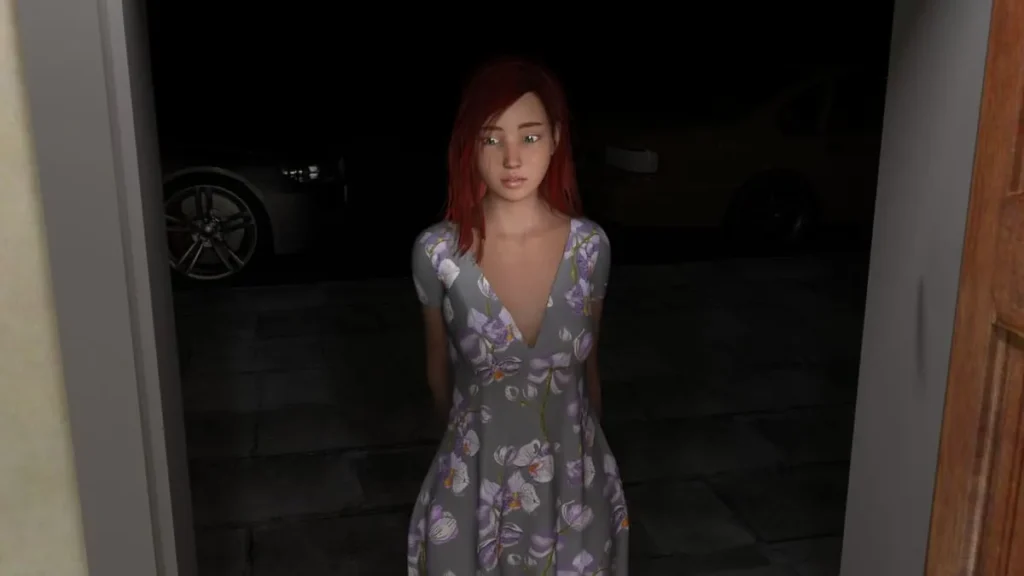


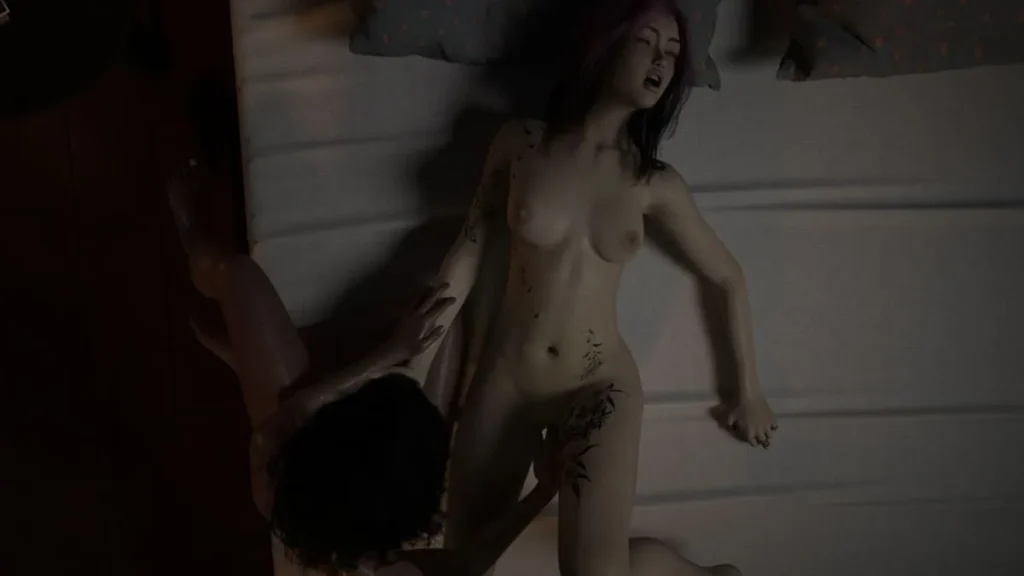
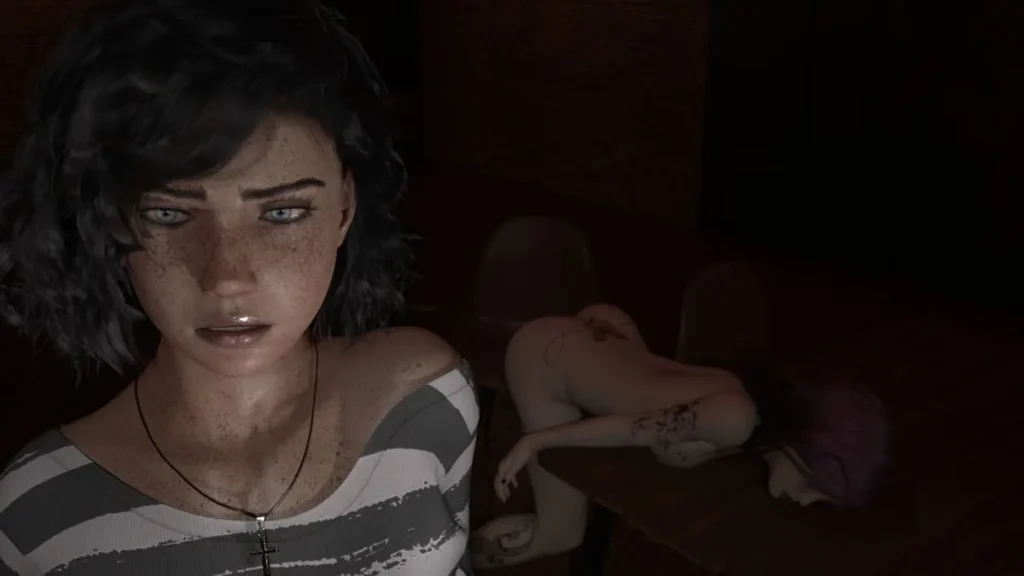








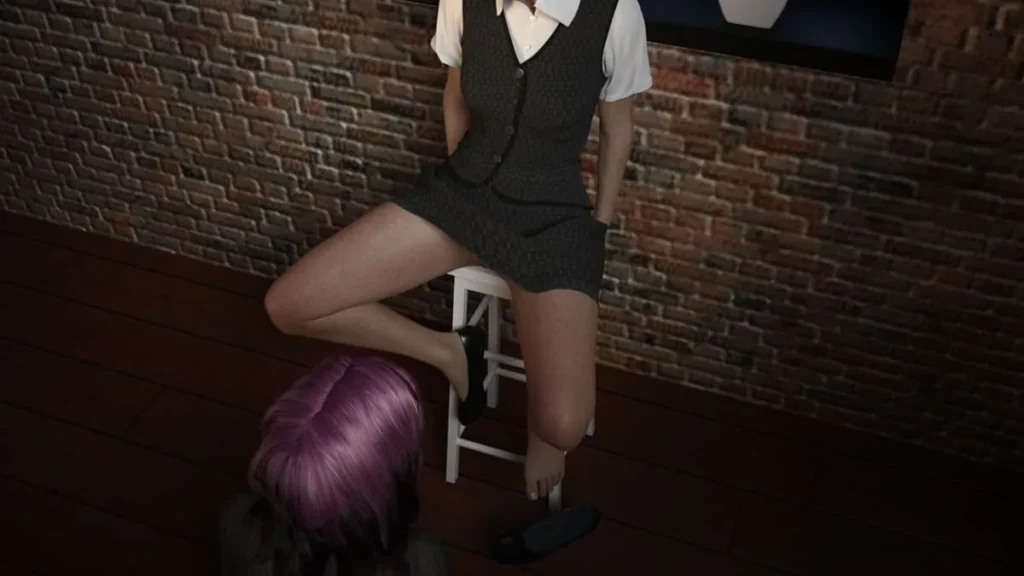

The Theater of Sinners review
Dive into the twisted tales of humiliation and choice in this gripping Ren’Py game
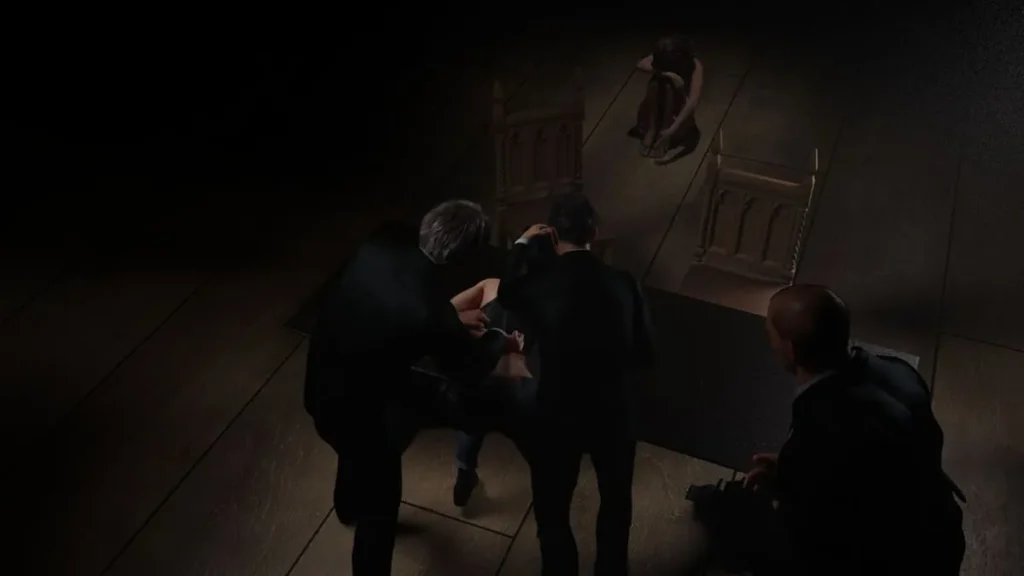
Ever stumbled into a game that grips you with its raw, unflinching look at human darkness? That’s The Theater of Sinners for you—a Ren’Py visual novel where every choice plunges you deeper into a web of Theater of Sinners narrative filled with humiliation, corruption, and blurred morals. Developed by JustXThings, this psychological fantasy horror story follows protagonists like Paula and Rebeca as they navigate abuse, bullying, and personal demons in a non-linear tale of brutality and redemption. I remember my first session; one wrong decision spiraled into chaos, leaving me hooked and haunted. If you’re into decision-driven stories with intense adult themes, this Theater of Sinners game delivers consequences that hit hard. Let’s break it down.
Unveiling the Core of The Theater of Sinners Storyline
I remember the first time I truly got lost in The Theater of Sinners storyline. It was 2 AM, the room was dark, and I’d just made a choice that felt right in the moment—a small act of defiance. Hours later, I watched as that single decision unraveled into a chain of brutal consequences I never saw coming. That’s the power of this game. It doesn’t just tell you a story; it makes you its co-author, then holds a mirror up to your own moral compass until you squirm. 😨 If you’ve ever wondered, “What is The Theater of Sinners about?” at its heart, it’s about the fragile line between victim and perpetrator, and how the weight of our choices can bend a person until they break.
This psychological horror visual novel, built on the Ren’Py engine, is a masterclass in uncomfortable immersion. You’re not just clicking through pretty pictures; you’re navigating a labyrinth of humiliation, corruption, and raw human ugliness, where every dialogue option and stat point can steer someone’s soul toward ruin or a fragile redemption.
What Makes the Theater of Sinners Narrative So Addictive?
The genius of the Theater of Sinners narrative lies in its brutal honesty and non-linear design. This isn’t a fairy tale. It’s a gritty, often painful exploration of how people cope with—and propagate—cycles of abuse. The plot doesn’t follow a straight line. Instead, it uses flashbacks and shifting perspectives to peel back layers of trauma, making you understand a character’s despicable actions without necessarily forgiving them. 😖
The Theater of Sinners narrative hooks you because it trades jump-scares for psychological dread. The horror comes from watching a good person make a series of “understandable” bad decisions, until they’re someone they don’t recognize. The game masterfully uses its adult themes not for shock value, but to underscore the dehumanizing effects of its world. You feel the sting of every humiliation, the corrosive spread of every compromise.
Pro Tip: Savor the dialogue. What a character doesn’t say, or how their expression flickers in a sprite change, often holds more truth than the text on screen. The realism in subtle facial reactions is a key to the immersion.
Key Protagonists: Paula and Rebeca’s Twisted Journeys
The Theater of Sinners storyline is primarily driven by two young women whose paths are paved with pain, and your choices determine whether they find a way out or become forever trapped within it.
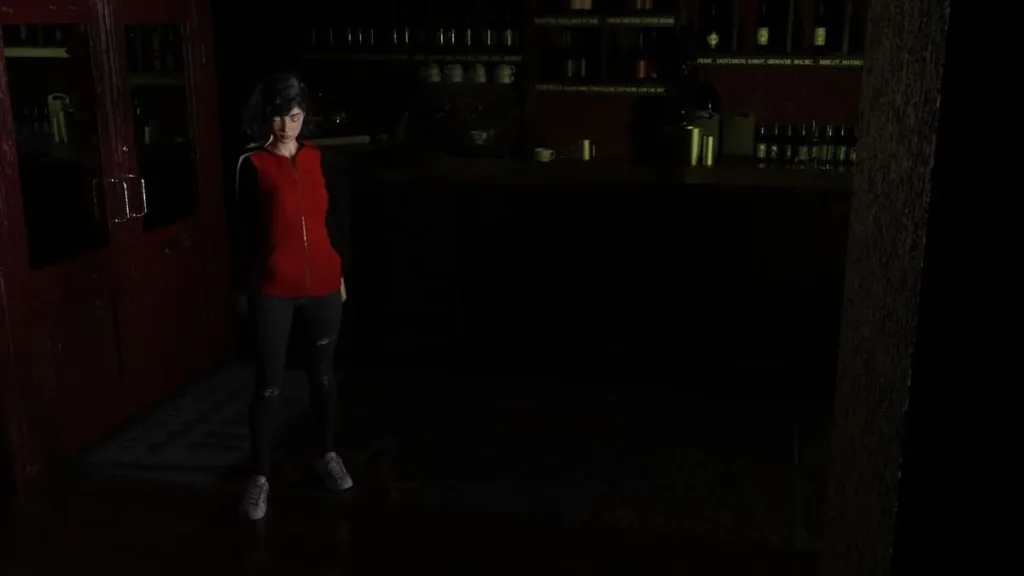
- Paula (Theater of Sinners): Paula’s life is a facade of privilege hiding a core of torment. As the daughter of a powerful, distant figure, she’s a target. Bullied relentlessly by school delinquents, she’s pushed toward a devastating choice: continue to be a victim, or adopt the cruelty of her oppressors to survive. Her journey is a tragic study of corruption from the outside in. Watching Paula Theater of Sinners navigate this hell forces you to ask: “How much pain would it take for me to break?”
- Rebeca (Theater of Sinners): If Paula’s corruption is a slow burn, Rebeca’s seems almost predetermined. Raised by a neglectful addict mother and a violently abusive stepfather, her world is one of survival from day one. Rebeca Theater of Sinners is a character shaped by hatred, and her great tragedy is the risk of becoming the very thing she loathes. Her story is raw, angry, and heartbreaking, asking whether a soul forged in fire can ever cool, or if it’s destined only to burn others.
But they aren’t alone. The supporting cast is a collection of flawed, often detestable yet strangely relatable individuals. From abusive authority figures to morally bankrupt peers, each character has their own struggles, making the world feel terrifyingly lived-in. Your interactions don’t just change the plot; they can subtly (or dramatically) shift these characters’ personalities and futures.
How Choices Shape Your Path in This Psychological Thriller
Forget simple “good vs. evil” meters. The Theater of Sinners choices system is a delicate, often terrifying web of stat-raising and narrative branches. You’re not just choosing what to say; you’re building Paula or Rebeca’s core attributes—like their Willpower, Corruption, Shame, or Defiance. These hidden stats act as gatekeepers for entire story arcs.
Think of it like this: a seemingly minor choice to steal something to gain an advantage might raise your “Cunning” but lower your “Innocence.” Three chapters later, when offered a chance at a genuine connection, that depleted Innocence stat might lock you out of the kinder path, funneling you instead toward a harsher, more isolated outcome. 🔄
The non-linear structure means the order in which you experience events can change their context and impact. A flashback revealed early on might make you sympathize with a tormentor; revealed later, it might just fuel your rage. This makes every playthrough uniquely personal.
Let me give you a storytelling example from my own playthrough: Early on as Rebeca, I had the chance to either meekly accept a degrading demand from a bully or lash out with a sharp, public insult. Fueled by my own frustration, I chose the insult. It felt like a win—a small victory. Weeks later in the game’s timeline, that same bully, humiliated and seeking revenge, had aligned with a much more dangerous faction. My “win” had created a powerful, dedicated enemy. But in another playthrough, accepting the humiliation kept me off her radar, allowing me to discover a secret alliance she had with another character… which I could then exploit. The Theater of Sinners choices are never about right and wrong; they’re about cause and effect in a world where every action has a price.
| Choice Type | What It Influences | Practical Tip |
|---|---|---|
| Dialogue Response 😶 | Immediate character reaction, relationship points with others, and often hidden stat changes. | There is no “silent” option. Even saying nothing is a choice with consequences. Read the room. |
| Action Selection ⚡ | Directly alters the course of events, opens or closes story branches, and can trigger major milestones. | Save before every major decision. The game autosaves, but manual saves are your best friend for exploration. |
| Stat-Check Events 📊 | Whether you succeed or fail at a challenge (e.g., resisting pressure, performing a task) based on your hidden attributes. | Replay earlier chapters with different stats to see wildly different outcomes for the same event. |
Here’s my actionable advice for deeper immersion:
- Save Often, Save Everywhere: Create multiple save slots at key decision points. The branching is immense.
- Embrace the Replay: Your first playthrough is your story. Your second, third, and fourth are where you uncover the vast scope of the Theater of Sinners narrative. Try making opposite choices to see how the dominoes fall differently.
- Pay Attention to Inner Monologues: The characters’ unspoken thoughts are your clearest window into their true selves and their shifting mental state.
The ultimate themes of The Theater of Sinners are cycles—of pain, of guilt, of inherited trauma. It questions whether redemption is even possible in a world that seems designed to corrupt, or if the only “freedom” is in embracing the darkness. It’s unsettling because it feels real. These aren’t monsters; they’re damaged people making terrible choices, and you, by guiding them, are complicit. That’s what makes this psychological horror visual novel not just a game, but an experience that lingers long after you close it.
FAQ: Your Theater of Sinners Storyline Questions, Answered
Q: Does The Theater of Sinners have multiple endings?
A: Absolutely, and not just a “good” and “bad” one. The ending variations are extensive, deeply tied to the stats you’ve cultivated and key choices you’ve made for both Paula and Rebeca. True completion requires multiple playthroughs.
Q: How non-linear is the story really?
A: Extremely. While there is a central timeline, the game frequently uses flashbacks and allows you to trigger major events in different sequences. This order can change character motivations and your understanding of the plot, making the Theater of Sinners storyline feel fresh each time.
Q: Is it all misery, or is there hope in the narrative?
A: This is the core tension of the game. While the themes are dark and many paths lead to brutal conclusions, the possibility for hope, connection, and even a form of redemption does exist. However, these paths are often harder to find, requiring specific choices and steadfast commitment to a character’s better nature against all odds. The light, when you find it, feels earned. ✨
There you have it—the raw, captivating world of The Theater of Sinners, where every decision echoes through tales of corruption, resilience, and moral gray areas. From Paula’s descent into deviance to Rebeca’s battle against her upbringing, this game masterfully weaves psychological depth with player agency, making each playthrough uniquely haunting. My own dives into its branches left me reflecting on choices long after. If the blend of dark storytelling and intense themes calls to you, fire it up, experiment with paths, and see where your story leads. Dive in today and become the architect of these sinners’ fates—what twist will you unleash next?