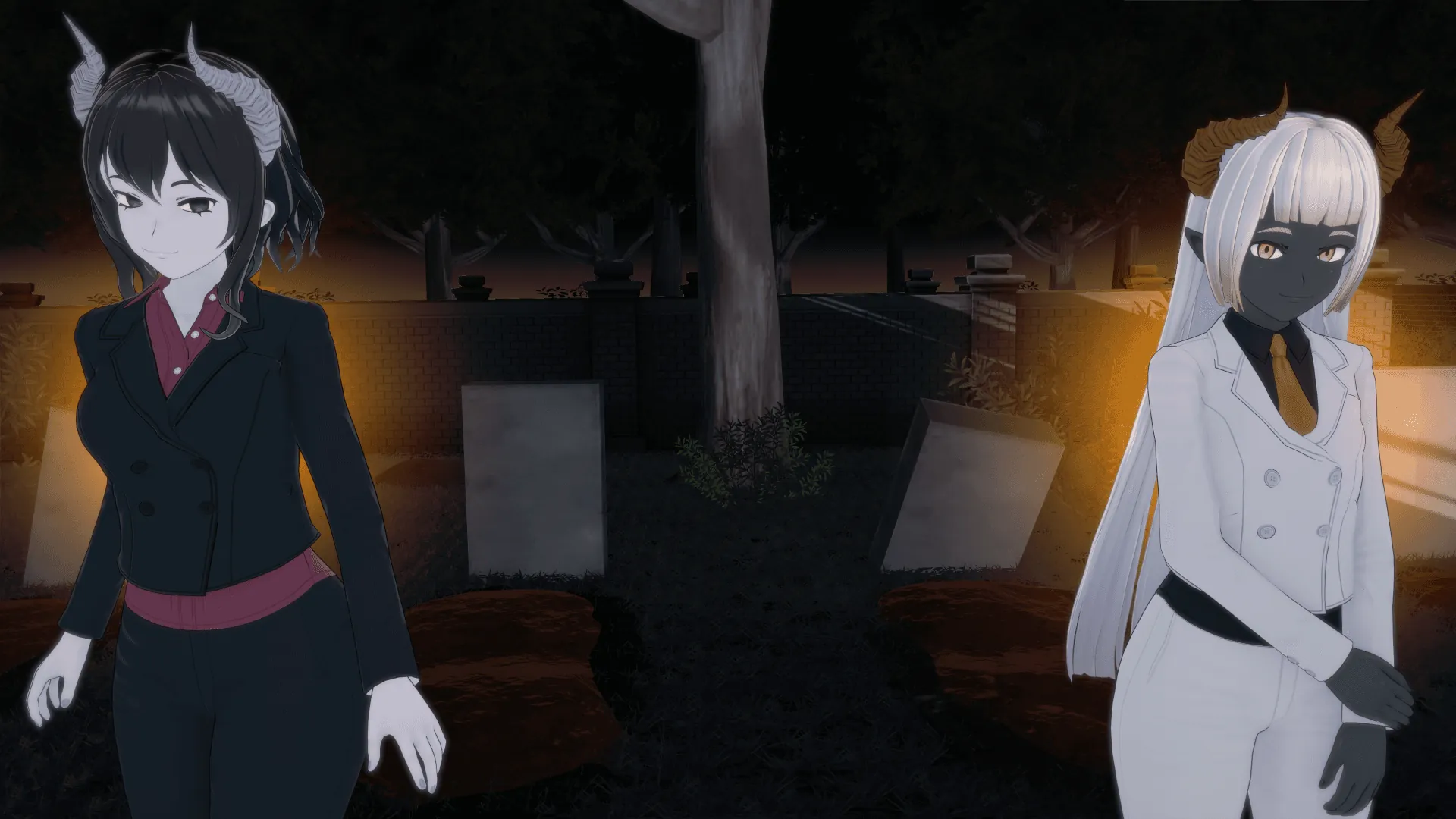
Play Parasite Black
Parasite Black Screenshots



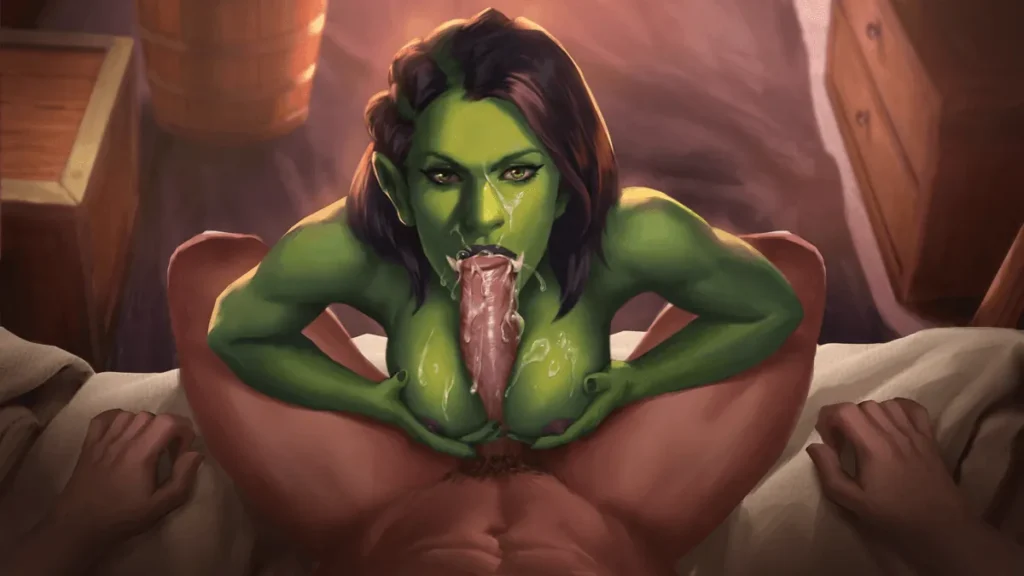
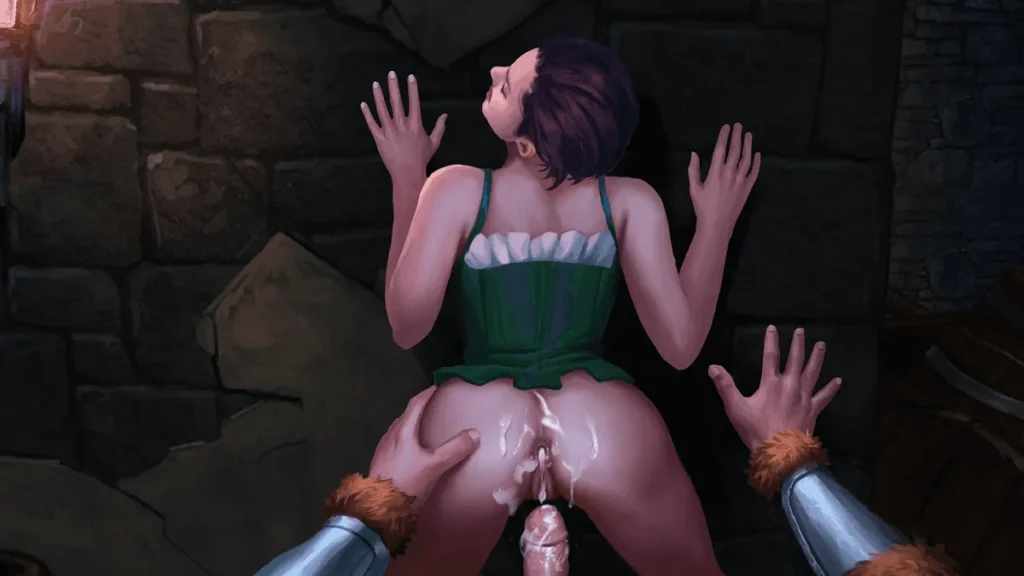
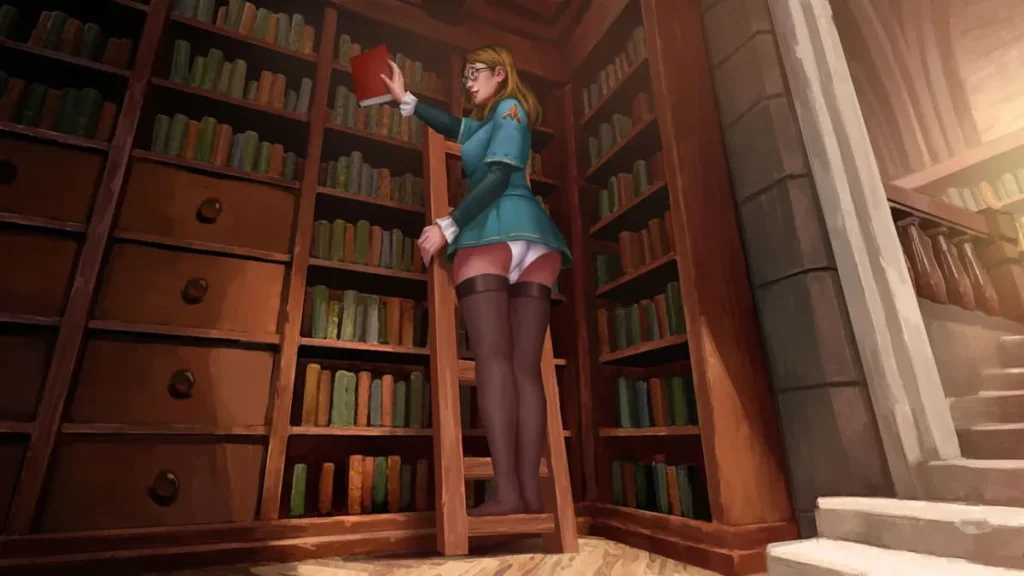
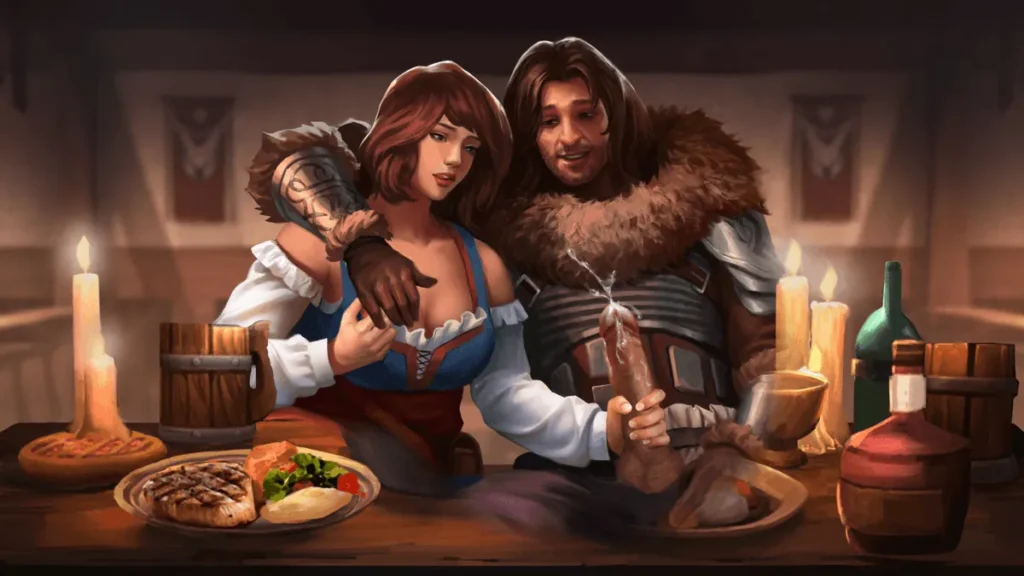

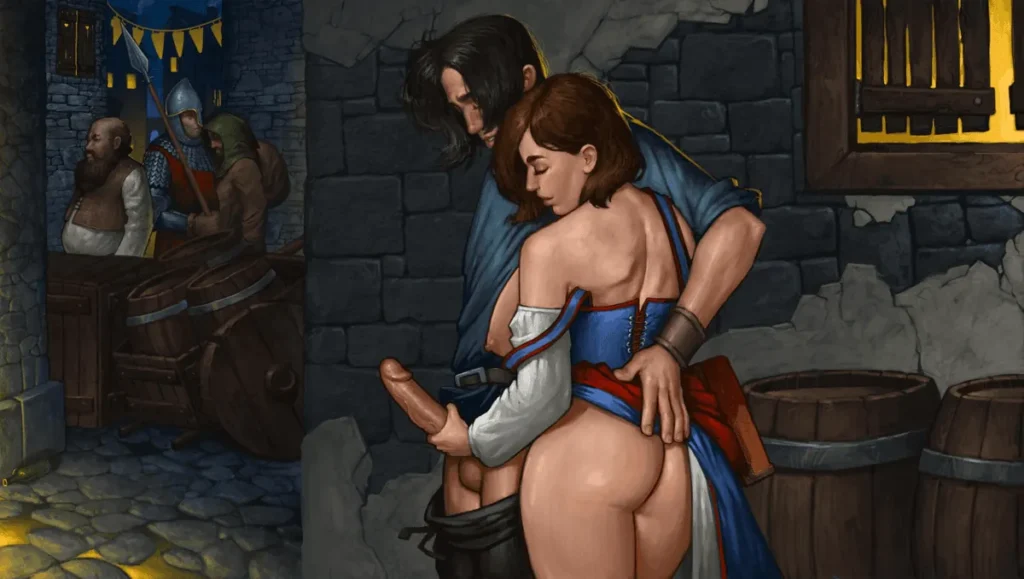
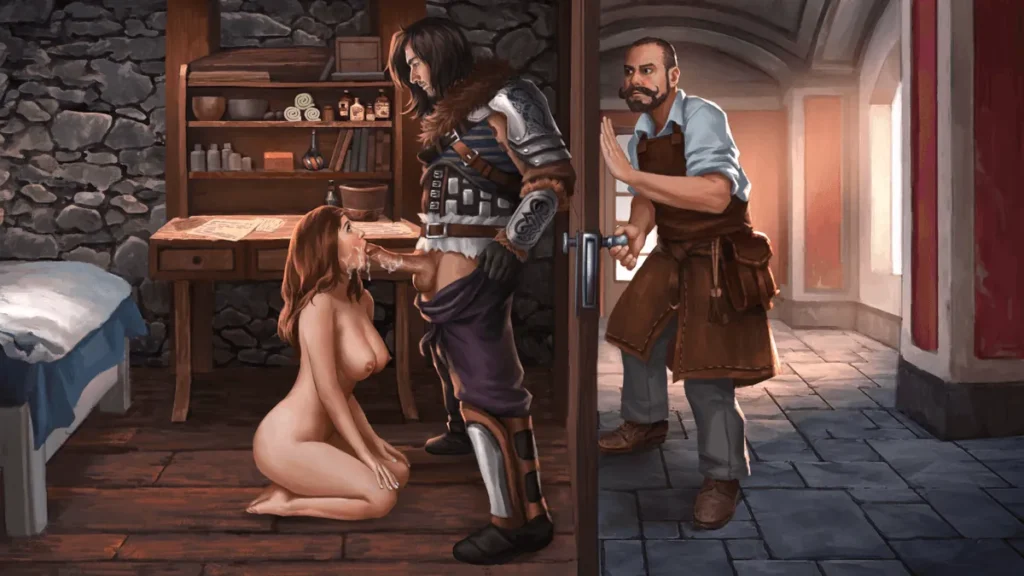
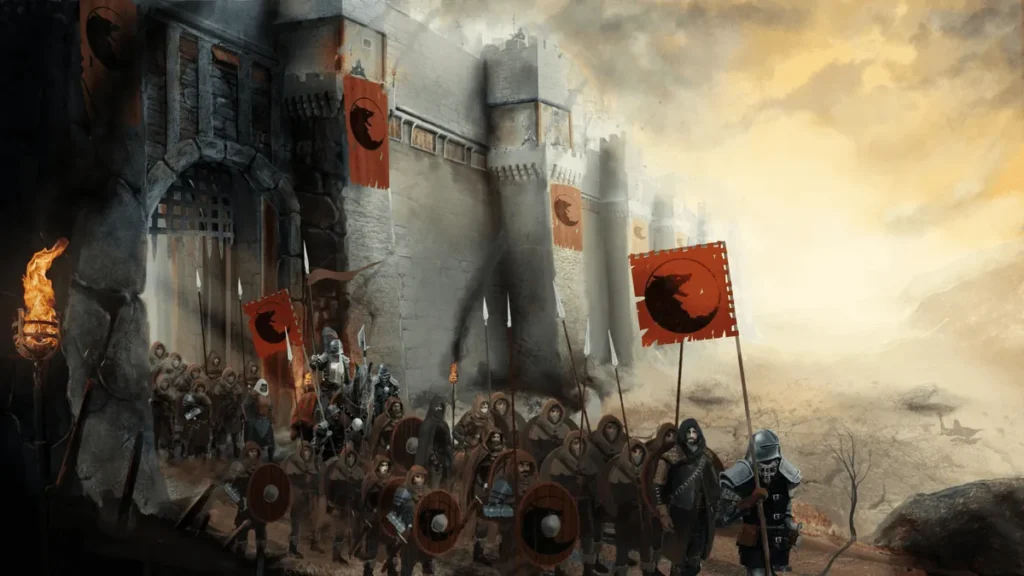
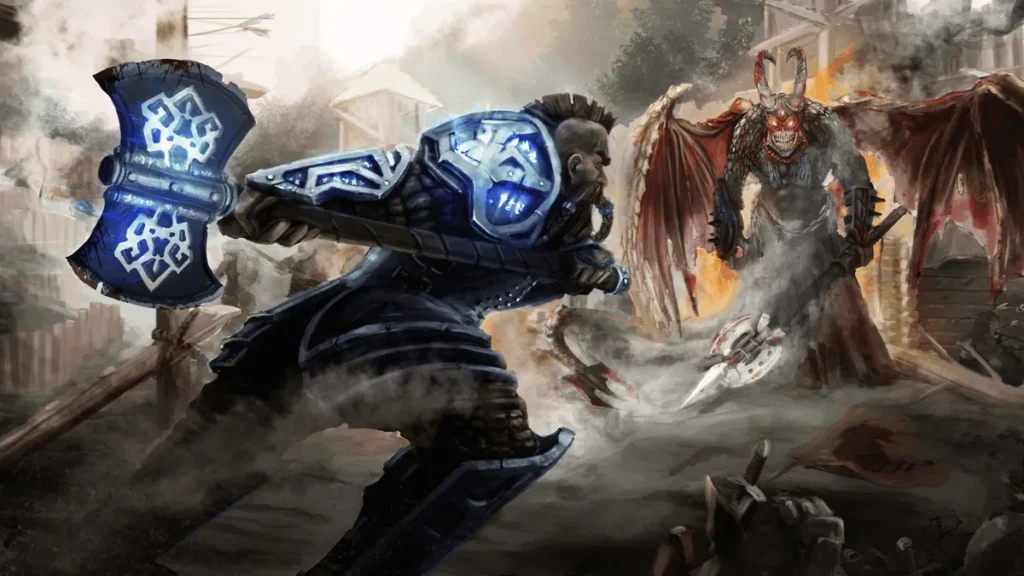

Parasite Black review
Exploring the narrative, mechanics, and world-building of this dark fantasy experience
Parasite Black stands out as a distinctive story-driven RPG that combines dark fantasy elements with mature narrative themes. This game offers players an immersive experience through its rich lore, explorable world, and complex character interactions. Whether you’re interested in understanding the game’s unique mechanics, exploring its narrative depth, or discovering what makes it appealing to RPG enthusiasts, this guide provides comprehensive insights into what Parasite Black delivers. From its corruption mechanics to its multiple romance pathways, the game presents a layered experience that rewards exploration and player choice.
Understanding Parasite Black’s Core Gameplay and Mechanics
You know that feeling when you’re playing an RPG, you make a “bad” choice, and you immediately hit that quickload button? 😅 Your save file stays pristine, your conscience clear, and the story neatly folds back into its intended path. Parasite Black laughs in the face of that safety net. This is a story-driven RPG experience that asks a terrifyingly beautiful question: what if your mistakes, your morally grey compromises, and your desperate choices couldn’t be undone? What if they changed you, and the world, permanently?
Welcome to the heart of Parasite Black gameplay mechanics. At its core, this isn’t just about stats and loot; it’s about a creeping, tangible decay called the Corruption. This dark fantasy RPG mechanics suite is built not on simple good versus evil, but on the haunting spectrum in between. Your journey is less about saving a pure world and more about navigating—and perhaps embracing—the rot within it. Let’s pull back the veil and see what makes this world tick. 🕯️
What Makes the Corruption System Central to Gameplay
Forget alignment charts. The corruption system RPG mechanics in Parasite Black are the living, breathing soul of the game. Think of Corruption not as a “bad” meter, but as a transformative force. It’s a resource, a narrative catalyst, and a physical manifestation of your choices all rolled into one. From the moment your character is touched by the otherworldly blight, every decision you make feeds into this system.
So, how does corruption affect gameplay? In every way imaginable. 🪦
My first major lesson? I used a fragment of corrupted power to peacefully resolve a standoff with a desperate group of survivors. It was the “easy” way, avoiding bloodshed. The game didn’t flash a “CORRUPTION +10” on screen in judgment. Instead, my character’s shadow began to writhe independently for a few moments afterward. Later, in a dialogue tree, a more sinister, pragmatic option was available that hadn’t been there before. The game was remembering, and my toolkit for interaction was evolving—for better or worse.
This system directly influences character romance options, story branches, and even your visual appearance and available abilities. Choosing to leverage corrupt power to solve a puzzle might grant you access to a sealed, lore-rich area, but it could also close off a potential ally’s trust forever. The genius lies in its ambiguity; a choice that seems pragmatic in one moment can have heartbreaking repercussions ten hours later. This creates a uniquely personal story-driven RPG experience, as no two players will have the exact same relationship with the Corruption.
The mechanical depth is stunning. Corruption can unlock powerful combat abilities or dialogue paths that brute-force your will onto situations. However, let it grow too pronounced, and you may find NPCs crossing the street to avoid you, or certain holy-based restorative items becoming less effective. It’s a constant, gripping trade-off. Do you stay “pure” and struggle with conventional tools, or do you dip into the abyss for power, risking the very connections you’re trying to forge? This is the central, brilliant tension of Parasite Black gameplay mechanics.
Exploring the Game’s World and Environmental Design
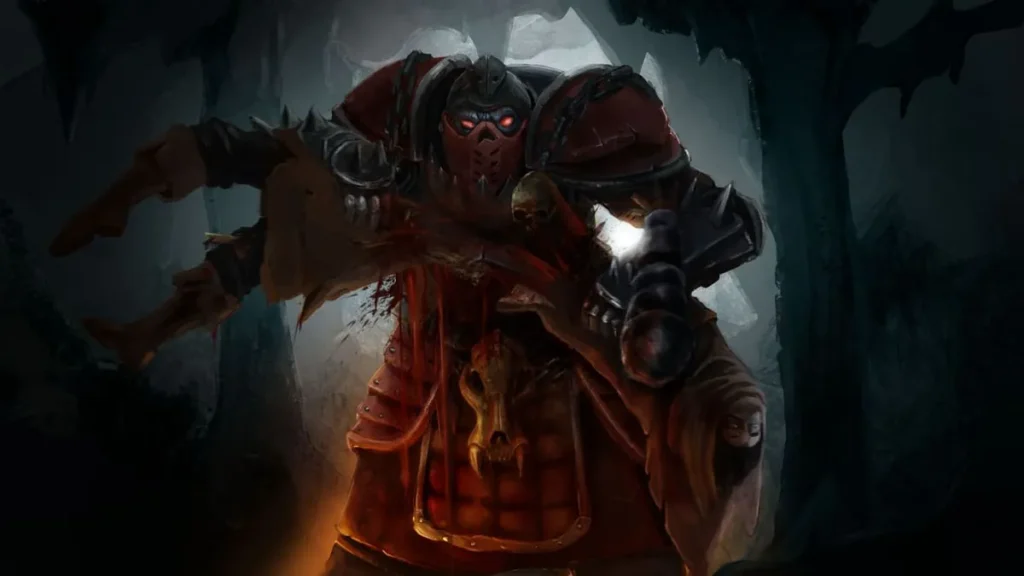
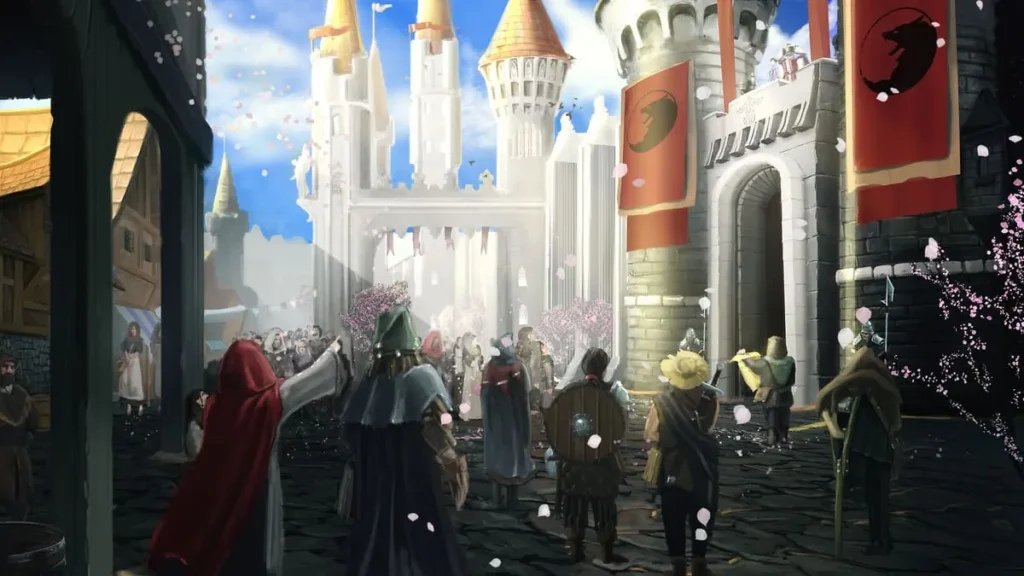
The world of Parasite Black is a character in itself—a melancholic, dying entity you explore not just with your feet, but with your senses. The explorable world design is a masterclass in environmental storytelling. You won’t find endless, empty fields to traverse. Instead, you navigate dense, interconnected zones: the rain-lashed, cobblestone streets of a gothic city, the oppressive silence of a corrupted forest where the trees seem to watch you, and the claustrophobic, decaying interiors of grand mansions that have succumbed to the blight.
Every corner has a tale to tell. 📜 A child’s discarded doll propped against a wall. Faded warning posters plastered over older, more hopeful decrees. Strange, pulsating growths of corruption that have consumed entire buildings. You won’t get a quest marker pointing to every secret. Instead, the explorable world design rewards keen observation. A slightly different texture on a wall, a soft, haunting melody carried on the wind, or the specific arrangement of corrupted tendrils might hint at a hidden switch or a safe path through a hazardous area.
This is a key part of the dark fantasy RPG mechanics. The atmosphere is palpable, built through subtle sound design, dynamic lighting that plays with long, threatening shadows, and a color palette that drains from muted realism into surreal, corrupted hues as you delve deeper. Exploration is paced and purposeful. You’re not just ticking off icons on a map; you’re piecing together the tragic history of this world’s fall, one shattered stained-glass window and one cryptic journal entry at a time.
The world also reacts to your Corruption level. With low Corruption, you might hear the faint whispers of lost spirits guiding you. With high Corruption, those whispers might become aggressive murmurs, but new, hidden pathways through the corruptive biomass might become visible to you. Your relationship with the environment is dynamic, making every playthrough’s exploration feel uniquely personal.
Character Development and Romance Pathways Explained
In a world falling apart, connections are both your greatest vulnerability and your only source of light. Parasite Black presents a cast of deeply flawed, compelling characters, each grappling with the blight in their own way. The game features multiple potential companions, including several complex character romance options. But forget simple gift-giving or picking the right flirty line. Here, romance is a narrative pathway, deeply entangled with the core themes of trust, sacrifice, and corruption.
Building a relationship is a slow burn, forged through shared trauma and difficult choices. Each character has a personal questline that explores their fears and desires. How you help them—or whether you choose to help them at all—directly shapes their view of you. The corruption system RPG mechanics are the third wheel in every relationship. Some characters are terrified of the blight and will pull away if you embrace it. Others, consumed by their own desperation or darkness, might only truly open up to someone who understands the allure of power, even from a tainted source.
Let me give you a personal insight. I became fascinated by Elara, a scholar desperately seeking a “pure” cure. My initial playstyle was cautious, avoiding corruption. She warmed to me, sharing her hopes. In a later playthrough, I experimented with a corrupt power build. In a crucial scene where she begged me to destroy a corrupted artifact, I instead studied it for power. The hurt and betrayal in her subsequent dialogue was visceral. That relationship path was effectively closed. It was a more powerful consequence than any game over screen.
To show how these systems intertwine, here’s a look at how different paths can unfold:
| Character | Core Storyline Theme | Low Corruption Influence | High Corruption Influence |
|---|---|---|---|
| Elara, The Scholar | Redemption & Purity | Path focuses on finding a cure. Romance is built on hope and shared idealism. Unlocks peaceful resolutions and restorative abilities. | She sees you as a lost cause or a necessary evil. Romance is extremely difficult, often shifting to rivalry. May unlock unique dialogues about the futility of her quest. |
| Kaelen, The Veteran Mercenary | Pragmatism & Survival | Views you as naïve but earnest. Bond forms through protecting the weak. Romance is a slow-building trust, like fellow soldiers. | Sees you as a powerful, useful ally. Romance is intense, pragmatic, and physically charged. Unlocks tactics that use corruption as a weapon. |
| Lyra, The Mystic Outcast | Understanding & Acceptance | She pities your struggle. Relationship is mentor-student, guiding you to resist. Unlocks insights into hiding from corrupt entities. | She feels a deep, sympathetic kinship. Romance is spiritual, obsessive, and transformative. Unlocks abilities to commune with and command minor corrupt beings. |
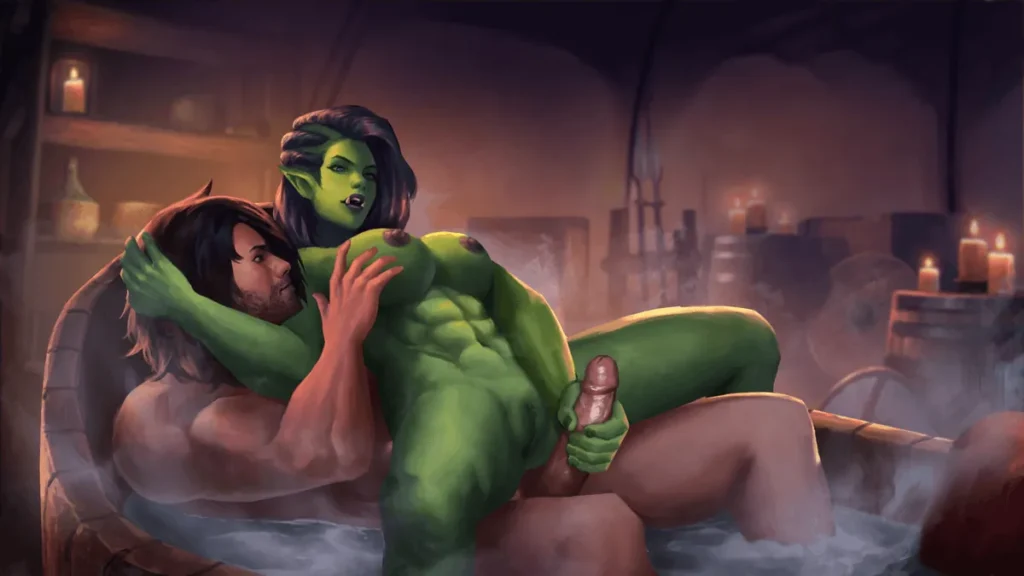
This deep integration means your approach to the game’s dark fantasy RPG mechanics fundamentally decides which human (or not-so-human) connections are possible. The mature, NSFW content that exists in the game isn’t gratuitous; it’s presented as a natural, sometimes raw extension of these relationships—moments of vulnerability, passion, or twisted intimacy that reflect the state of your bond and the world around you.
Character progression mirrors this philosophical depth. You don’t just assign points to “Strength” or “Magic.” You invest in philosophies of power: Purgation, Symbiosis, or Dominion. Each tree changes how you interact with corruption, the world, and your companions. Customization is about defining your character’s soul, not just their sword arm.
As we wrap up this dive into the mechanics, here are the key pillars that define the Parasite Black experience:
- The Dynamic Corruption Core: 🪬 Your choices permanently shape your abilities, the world’s reaction to you, and the narrative’s direction.
- Environmental Storytelling: 🏚️ The world is a dense, atmospheric puzzle box to be read and understood, not just crossed.
- Intertwined Romance & Narrative: 💞 Relationships are complex story arcs that succeed or fail based on your core philosophical choices.
- Consequence-Driven Progression: ⚖️ Unlocking new content isn’t about grinding; it’s about living with your decisions and seeing where they lead.
- Paced, Psychological Exploration: 🧠 This is a story-driven RPG experience first, where combat and exploration serve a haunting, atmospheric narrative.
Ultimately, Parasite Black isn’t a game you simply play. It’s a world you inhabit, a set of difficult ethics you navigate, and a story you co-author with every compromised choice. It asks you not just to fight the darkness, but to understand your place within it. And that might just be its most compelling mechanic of all.
Parasite Black delivers a distinctive experience for players seeking a story-driven RPG with mature themes and complex mechanics. The game’s corruption system serves as more than a gameplay feature—it’s integral to how players interact with the world and characters, creating meaningful consequences for their choices. With its rich lore, multiple romance pathways, and explorable environments, the game offers substantial replay value and encourages players to discover different narrative outcomes. Whether you’re drawn to the dark fantasy setting, the character-driven storytelling, or the unique mechanical systems, Parasite Black presents a comprehensive RPG experience that prioritizes narrative depth and player agency. For those interested in mature-themed gaming with substantial story content, this title warrants exploration.