
The Office
Play The Office
The Office Screenshots
















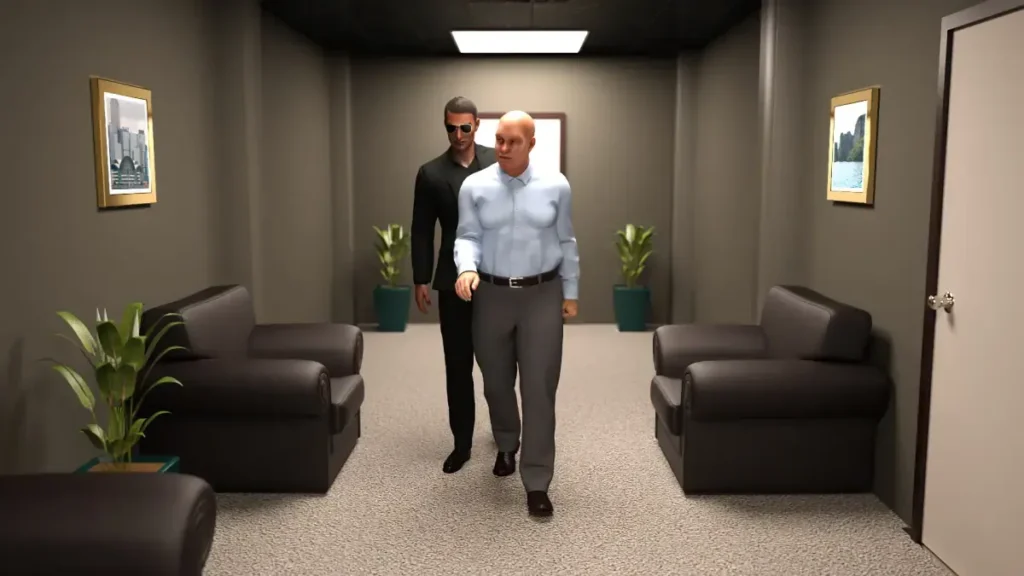









The Office review
Explore the interactive narrative gameplay, character interactions, and decision-making mechanics
The Office is an interactive narrative game that places players in a dynamic workplace environment filled with complex characters, intriguing mysteries, and meaningful choices. This mature-themed simulation combines exploration, investigation, and relationship-building mechanics across multiple locations within a sprawling city setting. Whether you’re interested in uncovering character secrets, solving objectives, or navigating career progression, this guide covers everything you need to know about the game’s core features, gameplay systems, and strategic approaches to maximize your experience.
Core Gameplay Mechanics & Exploration
Ever feel like your digital after-work hours are a bit… predictable? 😴 You load up a game, you know exactly what you’re getting, and the most exciting choice is whether to craft a sword or an axe. I’ve been there. That’s why, when I first booted up The Office, it felt like a revelation. This isn’t just another click-and-wait simulator; it’s a living, breathing city of intrigue where every click means something. Your success doesn’t hinge on your reflexes, but on your curiosity, your charm, and your ability to connect the dots between people and places.
At its heart, The Office is a masterclass in player-driven discovery. Forget following a golden arrow on a map. Here, you are the detective, the socialite, and the explorer all rolled into one. Your progress is gated not by levels, but by information—secrets whispered in a dance club, clues buried in a messy desk, stories told by the neon signs and discarded items of a sprawling city. Let’s pull back the curtain and dive into the interactive gameplay mechanics that make this world so compelling.
Navigating the City Environment
Your playground is a dense, interconnected city that feels astonishingly alive. This isn’t a static backdrop; it’s the game’s central nervous system. The Office game exploration begins the moment you step out of your initial apartment and realize the entire city is yours to investigate. You’ll travel on foot, soaking in the atmosphere, from the grimy neon glow of the downtown pawn shop to the sleek, sterile halls of the high-rise condominium.
Each location is a handcrafted stage for drama and discovery. The ad agency office isn’t just where you work; it’s a labyrinth of cubicles hiding personal dramas in every drawer. The spa is a place of relaxation, sure, but also of hushed conversations. The underground sewer? It’s not for the faint of heart, but it might just hold the key to unlocking a major plot thread. Mastering the map—knowing who hangs out where and when—is your first major strategic victory.
Think of each building as a character in its own right. The pawn shop feels cluttered and secretive, a perfect spot for shady deals. The dance club pulses with energy and possibility, where conversations happen over throbbing music. Your freedom to move between these city building locations is total, and the game encourages you to follow your hunches. Maybe a character mentioned a favorite restaurant; going there at the right time could lead to a breakthrough.
| Location | Key Characters & Encounters | Primary Activities & Clues |
|---|---|---|
| Ad Agency Office | Colleagues, Bosses, Rivals | Desk investigations, work tasks, overheard conversations, computer files |
| Pawn Shop | Shady Proprietor, Clients in Need | Buying/Selling items, uncovering rare objects with backstories, initiating unique quests |
| Apartment & Condominium | Love Interests, Neighbors, Personal Connections | Private conversations, personal item searches, relationship-building moments |
| Spa & Restaurant | Characters in relaxed states, Social contacts | Building rapport, extracting secrets in a neutral setting, gift-giving scenarios |
| Dance Club | Characters letting loose, New acquaintances | Social tests, charisma-based interactions, discovering hidden personas |
| Underground Sewer | Outcasts, Individuals with critical secrets | High-stakes investigations, finding well-hidden physical evidence, confronting truths |
My “aha!” moment came when I stopped treating the city as a list of addresses and started seeing it as a web of social hotspots. I learned that Vanessa, a sharp-tongued colleague, would always be at the fancy condominium bar after 8 PM on weekdays, nursing a drink and her grievances. That wasn’t just flavor text; it was an invitation. Showing up there, armed with knowledge from her office desk, opened a dialogue tree I never knew existed. That’s the magic of true exploration here.
Interactive Objects & Environmental Storytelling
Now, let’s talk about how this world speaks to you without saying a word. The Office is packed with interactive objects, but they’re not just glowing collectibles. Every item, from a half-empty coffee cup on a desk to a concert poster on a damp sewer wall, is a potential breadcrumb in a larger story. This is environmental storytelling at its finest, and it’s your job to be a good listener.
Clicking on objects is your primary tool for interactive gameplay mechanics. A stack of overdue bills on a character’s kitchen counter tells you they’re in financial trouble. A specific, rare book on their shelf might hint at a secret passion or fear. A discarded matchbook from a club you haven’t visited yet gives you a new location to explore. The game doesn’t hold your hand and say, “This is important!” It trusts you to be curious.
I remember once being utterly stuck on a character’s storyline. No matter what I asked, he’d clam up. Frustrated, I decided to comb through his apartment again. This time, I noticed a faded photograph tucked behind his television, not in a frame. It showed him with someone who was supposed to be out of his life. That photograph became my key. Confronting him with it didn’t just advance the story; it made me feel like a genuine sleuth. I’d earned that revelation.
Pro Tip: Get into the habit of “cleaning” every room. Mentally divide each space into quadrants and examine everything that isn’t nailed down. What people choose to display—and what they try to hide—is often more telling than their dialogue.
This philosophy extends to the grand scale of the city building locations. The sleek, minimalist design of the spa versus the chaotic, paper-strewn chaos of the office tells you about the values and lifestyles of the people who frequent them. The ambient sounds, the lighting, the very color palettes are all part of the narrative. You’re not just moving between points on a map; you’re transitioning between different chapters of the city’s ongoing story.
Character Investigation & Information Gathering
Here’s where The Office truly separates itself from the pack. With over 30 characters, each with layered personalities, hidden desires, and damning secrets, the social landscape is your most complex puzzle. Your journey is a character investigation guide from start to finish. Progress is locked behind relationships, and relationships are built on information.
Interactions are multi-layered. You have standard dialogue choices, but the real magic happens when you come prepared. Did you find a compromising document? Learn about a character’s fear? Discover they lied about their whereabouts? This information becomes a social tool, allowing you to ask pointed questions, offer specific help, or apply gentle (or not-so-gentle) pressure.
The art of how to extract character secrets is a delicate dance. You can’t just walk up to the CEO and ask for his blackmail material. You build rapport. You do favors. You learn his schedule, his habits, his weaknesses. Maybe you befriend his assistant first, or you notice he visits the pawn shop every Thursday. Each interaction is a data point. Here is a core list of techniques I’ve honed through countless playthroughs:
- The Rapport-Building Approach: 👥 Use small talk and favors to build trust. A character who likes you is more likely to slip up and reveal something unintentionally or accept a more personal question.
- The Evidence-First Confrontation: 🕵️♂️ Never accuse without proof. When you have a tangible clue—a photo, a document, a conflicting witness account—present it calmly. This often forces a confession or a major new piece of information.
- The Observational Nudge: 👀 Reference something you observed but they didn’t tell you. “Long night at the club last night? I saw you leaving as I was getting coffee this morning.” This shows you’re paying attention and can make them nervous or impressed.
- The Sympathy Play: 🥺 Some secrets are guarded out of shame or fear. Approaching a character with empathy and offering help (“I saw those medical bills, is everything okay?”) can open doors that aggression slams shut.
- The Strategic Bribe/Offer: 💎 Information and items are currency. Knowing that a character collects vintage watches and “finding” one can create a debt. Use this leverage wisely for critical information.
Central to all of this are the desk investigation tips. A character’s desk at the ad agency is their psychological profile. Start with the obvious: computer emails (if accessible), notebooks, and letters. Then, get sneaky. Check under the keyboard. Look at the books on the shelf behind them—are they for show, or well-read? What’s in the “junk” drawer? I once found a spare key to a character’s private locker in the gym tucked inside a stress ball. These desk investigation tips are non-negotiable for serious players.
All of your discoveries feed into your Journal, the game’s brilliant organizing principle. It automatically logs clues, updates objectives, and tracks your relationships. It’s your brain outside your brain. Before any major interaction, I always review my Journal. Which clues are connected to this person? What unresolved questions do I have? Treating your Journal as your command center is the single best piece of actionable advice I can give.
Ultimately, the interactive gameplay mechanics of The Office are designed to make you feel smart and engaged. The city is a canvas, the characters are puzzles, and every object is a potential key. Your power doesn’t come from a stats menu; it comes from your attention to detail and your understanding of human nature. So go on, start exploring. That secret won’t uncover itself, and that character won’t confess until you’ve done your homework. The entire, rich tapestry of the game is waiting for you to pull on the right thread.
The Office game delivers a rich interactive experience that combines workplace simulation, mystery investigation, and relationship-building mechanics into a cohesive narrative adventure. With over 100 objectives to complete, 30+ characters to interact with, and multiple paths to career advancement, the game offers substantial replay value and meaningful player agency. Whether you’re focused on uncovering supernatural mysteries, building character relationships, or climbing the corporate ladder to CEO status, understanding the core mechanics and strategic approaches outlined in this guide will enhance your gameplay experience. The interconnected systems of exploration, investigation, decision-making, and resource management create a dynamic world where your choices genuinely matter. Dive into the game with these strategies in mind and discover the countless secrets waiting within The Office.